
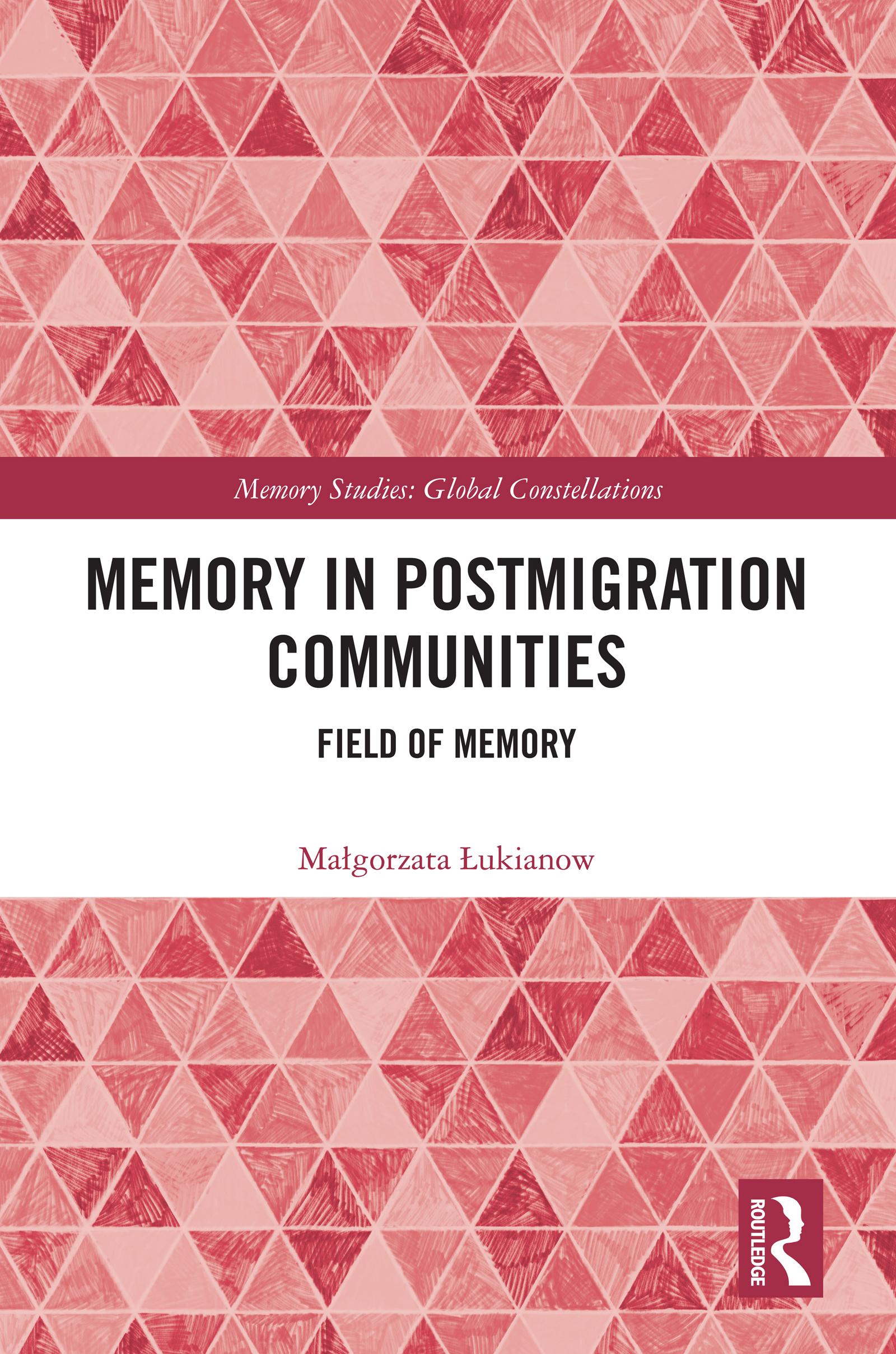
This book offers an exploration of Postmigration memory fields—spaces where multiple and often conflicting memory narratives of the same past event intersect within a limited locality. Focusing on Poland and the remembrance of the postwar and post-communist periods, it examines what happens when diverse mnemonic trajectories converge in small communities: how memories coexist, clash, merge, or become silenced.
By defining and illustrating diverse modes of social memory formation, the book explores how communities decide what becomes their heritage and how families, local authorities, and cultural institutions work to balance overlapping, and sometimes conflicting, memories within a shared space. Can a local museum that strives to encompass multiple narratives still act as a cohesive bearer of identity? Can families with ancestors from dispersed regions weave a coherent story about themselves?
Combining theoretical insight with grounded ethnographic analysis, Memory in Postmigration Communities provides conceptual and methodological tools for studying societies shaped by total or large-scale population exchange. It will appeal to scholars and students of sociology, anthropology, history, and memory studies interested in collective remembrance, local identity, and post-displacement heritage.
Betal nemt med kort, Klarna, Apple Pay eller Google Pay. Ikke tilfreds? Du har altid 14 dages fortrydelsesret. Læs mere i vores vilkår. Har du spørgsmål, så send os en mail på hello@memmo.org.
Memmo gør det nemmere at studere – uanset hvor du er i verden. Hos os samler du dine kursusbøger og smarte studieværktøjer ét sted: resuméer, quizzer, podcasts og flashcards. Og så er der Ted, din studieven, der svarer på alt, du undrer dig over. Over 50 000 studerende studerer allerede her – bygget til at hjælpe dig med at lære hurtigere og stresse mindre.