
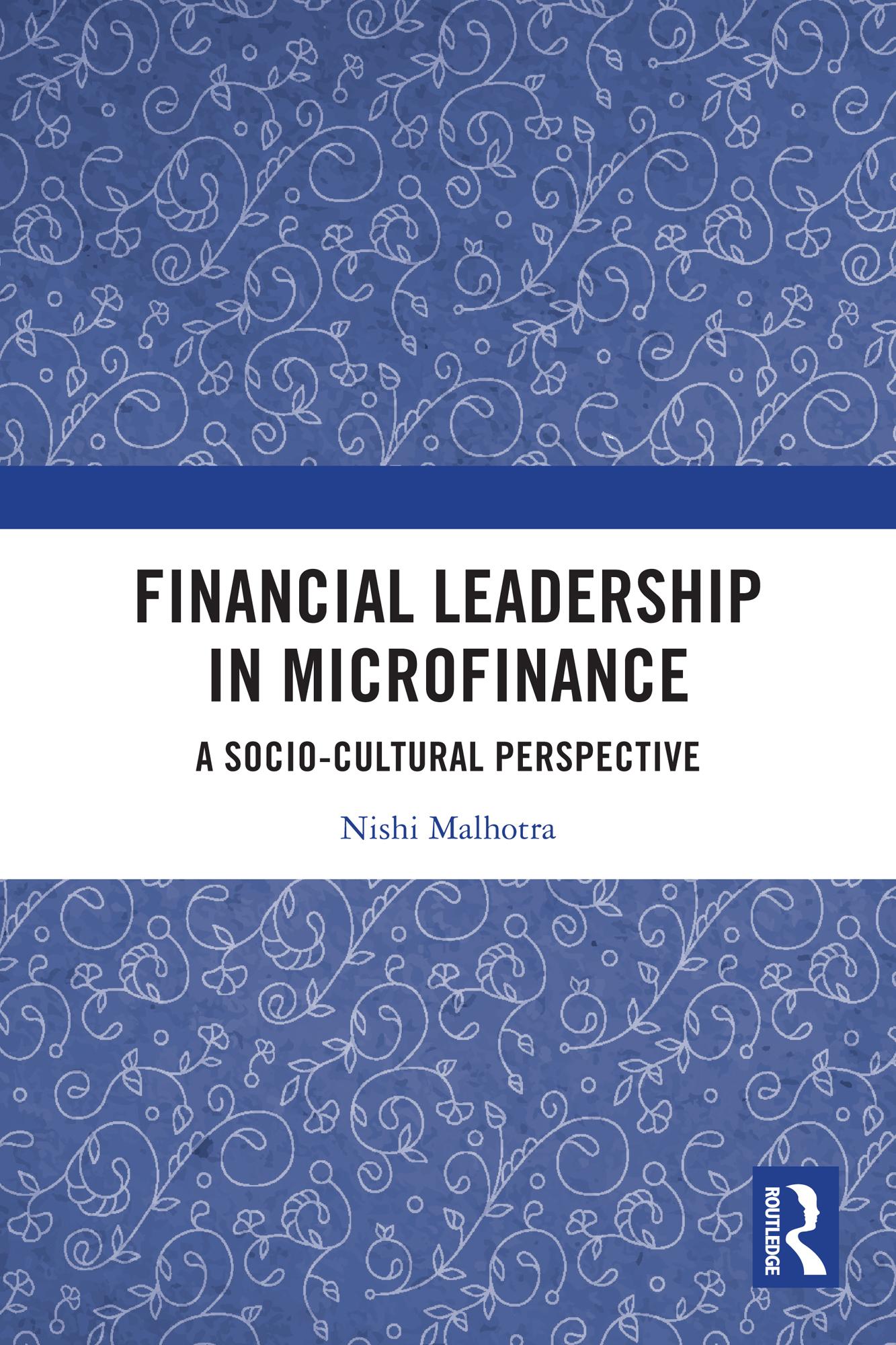
This book examines the critical role of financial literacy in enhancing financial inclusion for India's underprivileged populations, particularly during the unprecedented challenges posed by COVID-19.
Social capital, cultural norms, and shared psychological frameworks play a crucial role in determining financial inclusion outcomes for individuals at the bottom of the economic pyramid. India has rolled out various schemes to engage grassroots communities through local governance structures, ensuring robust support for those at the base of the socioeconomic pyramid. Despite pervasive marginalization, individuals below the poverty line have reaped benefits from the government of India's initiatives, granting them access to crucial financial services leveraging technology-driven approaches. Empowerment through roleplays, fairs, Naukkad Natak, Sakhi Mandals, and Didis has created leadership within the communities. Using the Grounded Theory & Case study, this book approaches the ambit of qualitative research to examine the issue of financial inclusion of the marginalized people through the use of financial and social intermediation.
This book aims to study the impact of socio-cultural factors on adoption of sustainable financial practices. It will be of interest to researchers, bankers, policy makers, students and academicians working with Development Economics, Finance, Microfinance Management, Social Finance, Credit & Credit institutions.
Betal nemt med kort, Klarna, Apple Pay eller Google Pay. Ikke tilfreds? Du har altid 14 dages fortrydelsesret. Læs mere i vores vilkår. Har du spørgsmål, så send os en mail på hello@memmo.org.
Memmo gør det nemmere at studere – uanset hvor du er i verden. Hos os samler du dine kursusbøger og smarte studieværktøjer ét sted: resuméer, quizzer, podcasts og flashcards. Og så er der Ted, din studieven, der svarer på alt, du undrer dig over. Over 50 000 studerende studerer allerede her – bygget til at hjælpe dig med at lære hurtigere og stresse mindre.