
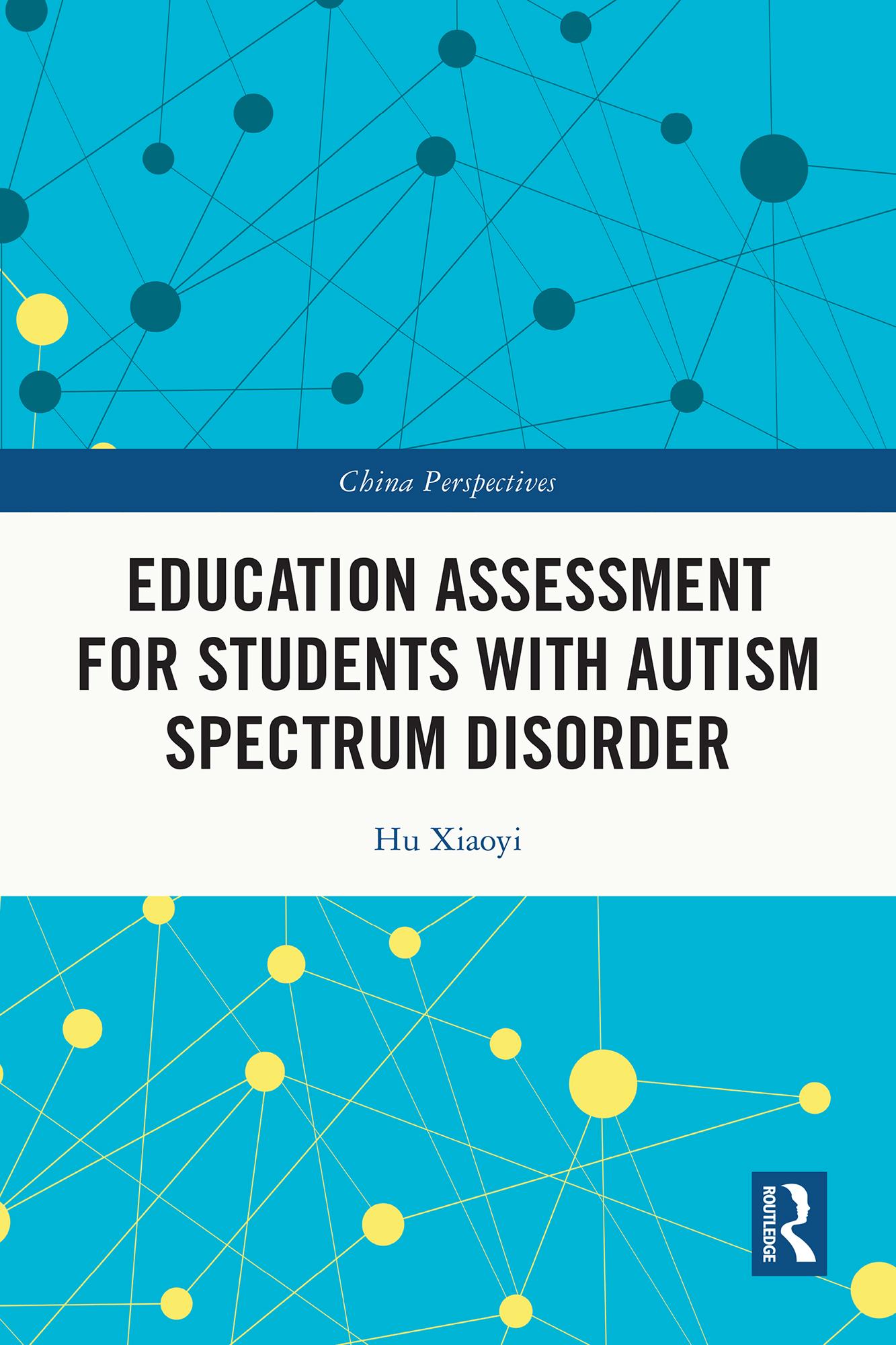
This book examines the educational needs of school-aged children with autism in China. It addresses the gap between the available resources and the growing demand for specialized education.
The author presents a comprehensive assessment system based on well-established models, such as the iceberg theory and Maslow's hierarchy of needs. The framework prioritizes three levels of need: physiological, developmental, and advanced developmental. This ensures that interventions are tailored to each child’s unique requirements. The book emphasizes the importance of comprehensive treatment models focusing on long-term, individualized education strategies rather than short-term interventions. It provides teachers with practical guidance on assessment methods, teaching strategies, and interventions across eight domains. These approaches aim to address the core challenges in social communication, behavior, and cognition commonly experienced by children with autism. In addition to meeting the diverse needs of students with autism, the proposed system serves as a roadmap for creating a more responsive educational environment.
By connecting theoretical frameworks with practical solutions, the book offers valuable insights for special education professionals, policymakers, educators, researchers, and students interested in special education, autism spectrum disorders, and educational psychology.
Betal nemt med kort, Klarna, Apple Pay eller Google Pay. Ikke tilfreds? Du har altid 14 dages fortrydelsesret. Læs mere i vores vilkår. Har du spørgsmål, så send os en mail på hello@memmo.org.
Memmo gør det nemmere at studere – uanset hvor du er i verden. Hos os samler du dine kursusbøger og smarte studieværktøjer ét sted: resuméer, quizzer, podcasts og flashcards. Og så er der Ted, din studieven, der svarer på alt, du undrer dig over. Over 50 000 studerende studerer allerede her – bygget til at hjælpe dig med at lære hurtigere og stresse mindre.