
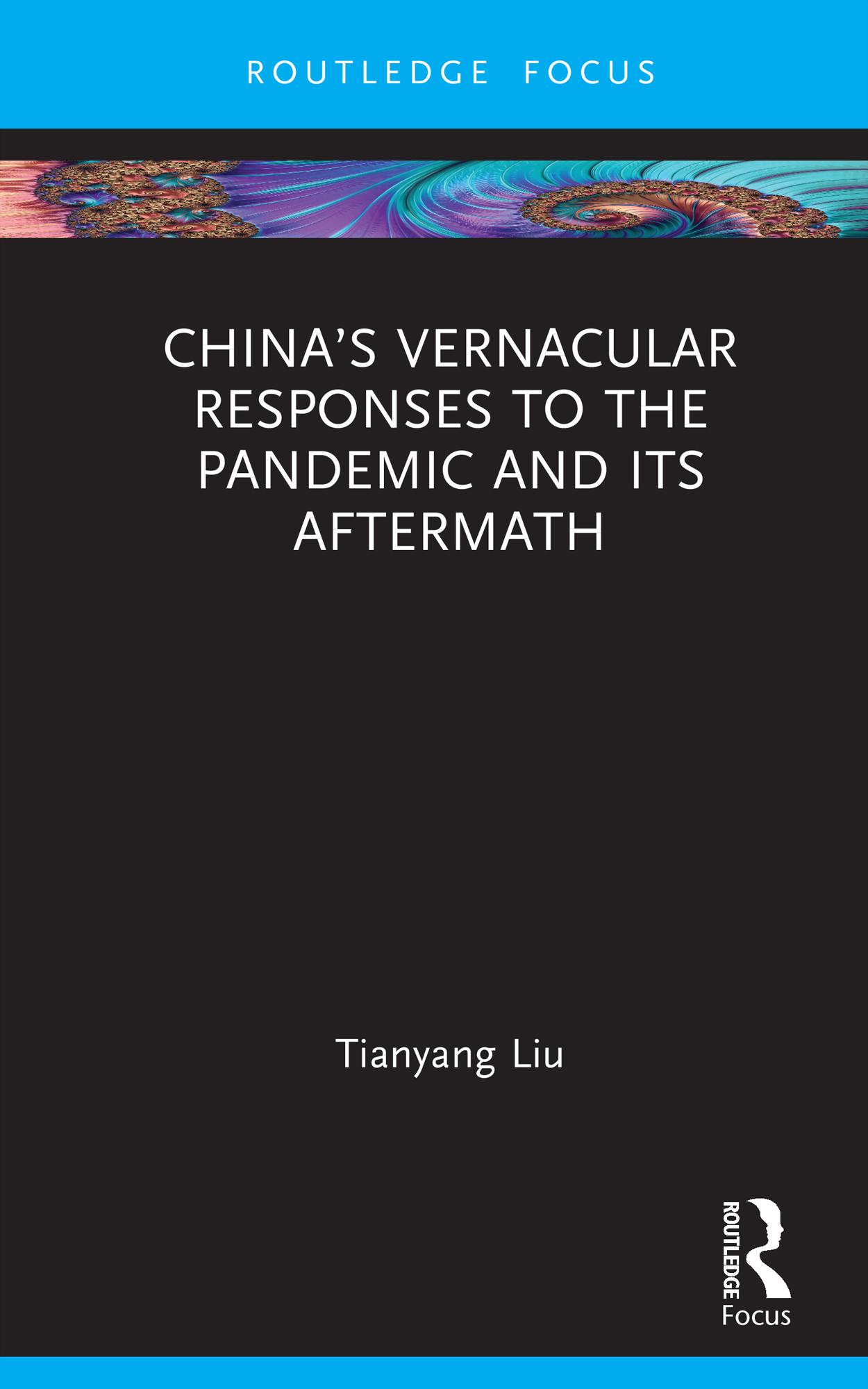
Rather than focusing solely on government policy, the book explores everyday life in urban and rural China during the pandemic. It shows how people navigated uncertainty and how those experiences continue to shape daily practices after the crisis. It also explores how large-scale public health measures were interpreted and adapted.
Drawing on interviews, digital diaries, and fieldwork conducted from 2020 to 2025, the book compares urban experiences in Wuhan with rural responses in provinces such as Henan and Hubei. The book highlights well-known moments, such as the Wuhan lockdown, village checkpoints, and community self-organisation. It also examines less visible practices, including mutual aid, humor, informal care, and everyday moral decision-making. A distinctive contribution of the book is its focus on the post-pandemic period. Rather than treating recovery as a return to normal life, the book illustrates how people gradually rebuild routines, relationships, and expectations amid ongoing uncertainty. The book treats the pandemic not as a temporary disruption followed by recovery but as a formative experience that reshapes how ordinary people understand responsibility, security, and everyday life over time.
This book will be valuable for scholars and students of politics, public health, and sociology, especially those interested in the unique Chinese experience of the pandemic.
Betal nemt med kort, Klarna, Apple Pay eller Google Pay. Ikke tilfreds? Du har altid 14 dages fortrydelsesret. Læs mere i vores vilkår. Har du spørgsmål, så send os en mail på hello@memmo.org.
Memmo gør det nemmere at studere – uanset hvor du er i verden. Hos os samler du dine kursusbøger og smarte studieværktøjer ét sted: resuméer, quizzer, podcasts og flashcards. Og så er der Ted, din studieven, der svarer på alt, du undrer dig over. Over 50 000 studerende studerer allerede her – bygget til at hjælpe dig med at lære hurtigere og stresse mindre.