
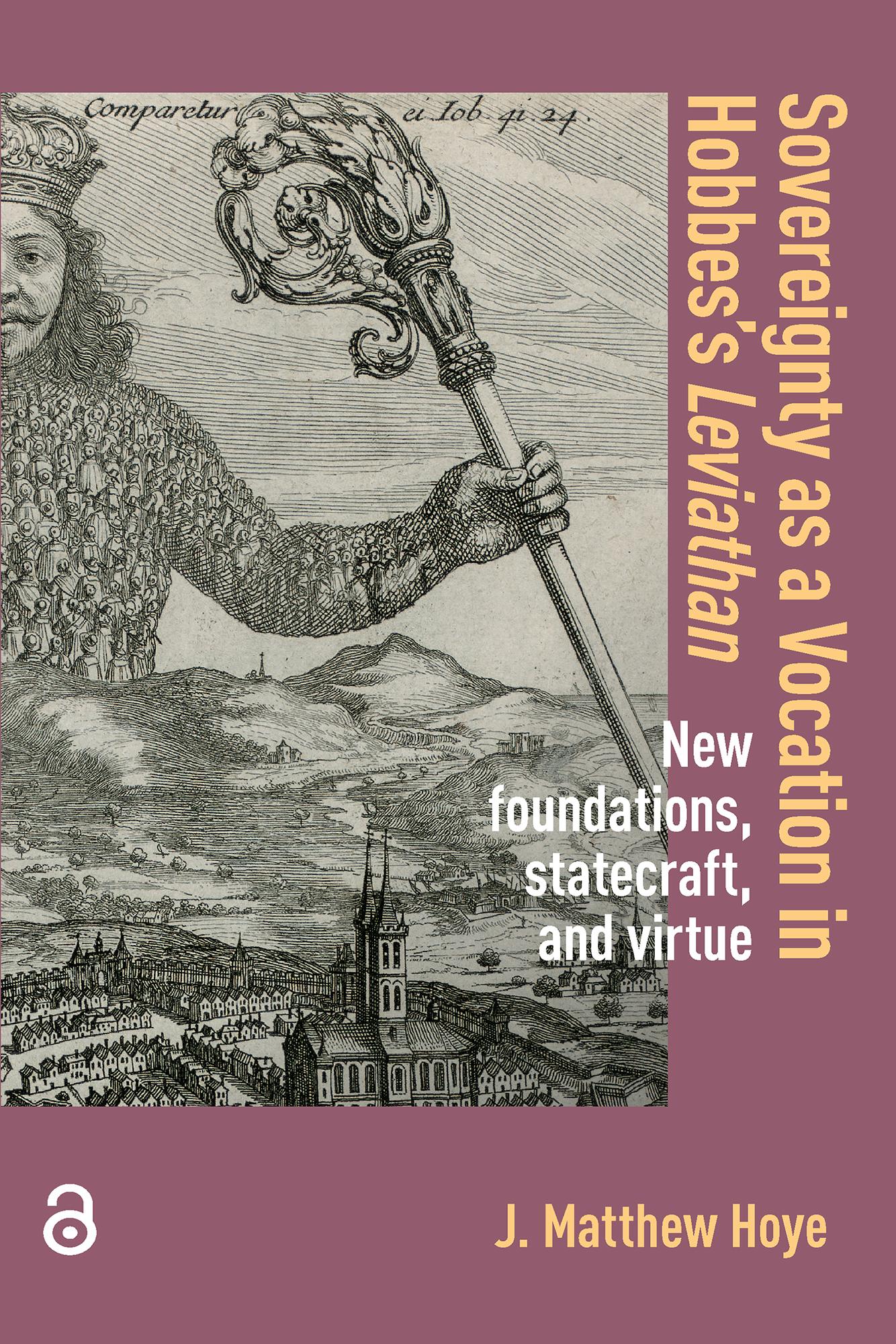
This book argues that the fundamental foundation of Hobbes’s political philosophy in Leviathan is wise, generous, loving, sincere, just, and valiant—in sum, magnanimous—statecraft, whereby sovereigns aim to realize natural justice, manifest as eminent and other-regarding virtue. It proposes that concerns over the virtues of the natural person bearing the office of the sovereign suffuse Hobbes’s political philosophy, defining both his theory of new foundations and his critiques of law and obligation. These aspects of Hobbes’s thought are new to Leviathan, as they respond to limitations in his early works in political theory, Elements and De Cive—limitations made apparent by the civil wars and the regicide of Charles I. Though new, this book argues that they tap into ancient political and philosophical ideas, foremostly the variously celebrated, mystified, and maligned figure of the orator founder.
Betal nemt med kort, Klarna, Apple Pay eller Google Pay. Ikke tilfreds? Du har altid 14 dages fortrydelsesret. Læs mere i vores vilkår. Har du spørgsmål, så send os en mail på hello@memmo.org.
Memmo gør det nemmere at studere – uanset hvor du er i verden. Hos os samler du dine kursusbøger og smarte studieværktøjer ét sted: resuméer, quizzer, podcasts og flashcards. Og så er der Ted, din studieven, der svarer på alt, du undrer dig over. Over 50 000 studerende studerer allerede her – bygget til at hjælpe dig med at lære hurtigere og stresse mindre.