
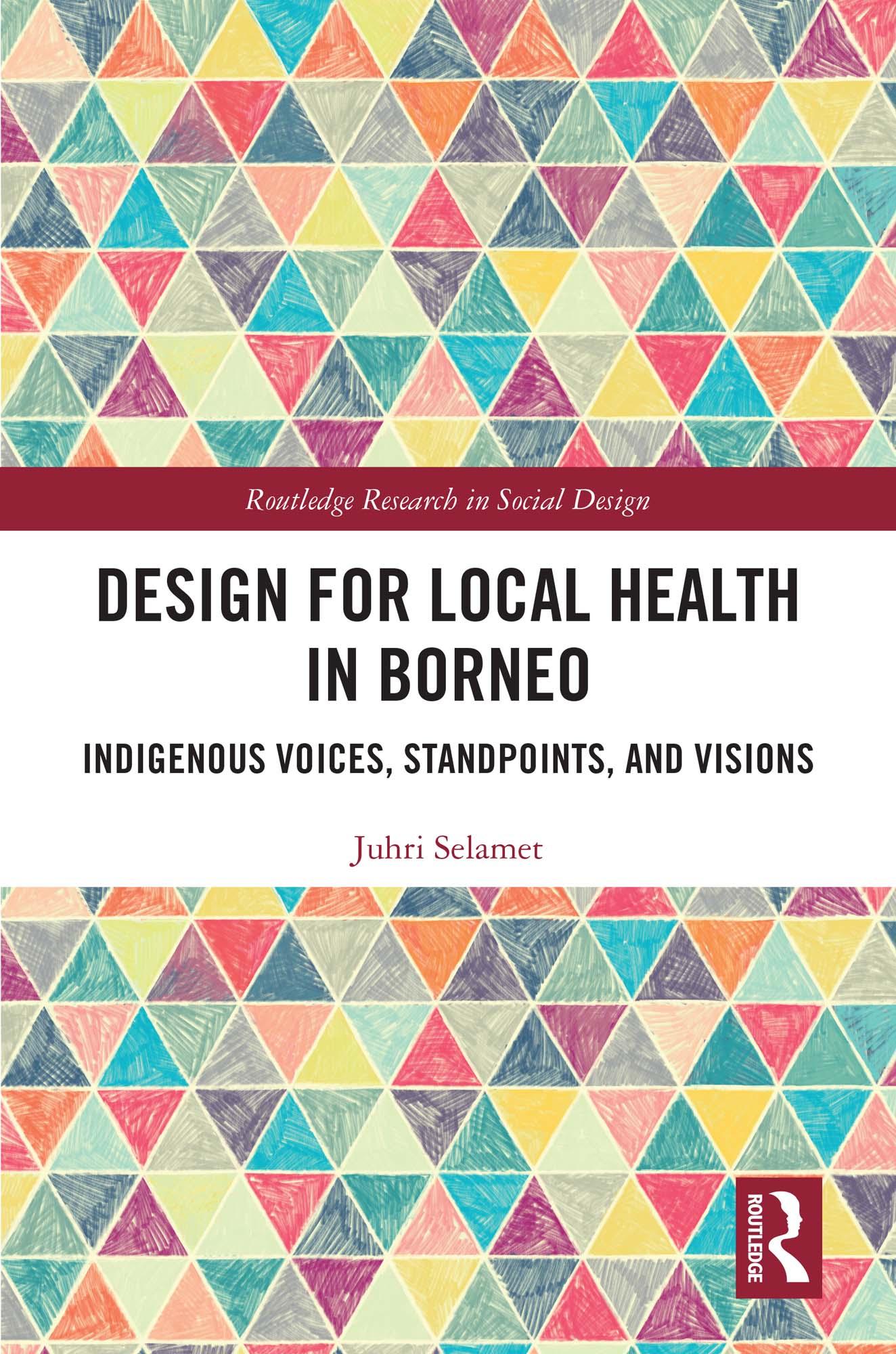
Examining how Indigenous Dayak communities living within coal and near mining concessions in Borneo experience and respond to intertwined health and environmental challenges, this book explores how their voices, knowledge, and lived realities can be meaningfully included in the design of local health systems and environmental health initiatives.
Drawing on qualitative fieldwork, this book centres on Indigenous standpoints and highlights the importance of local knowledge in shaping more responsive and equitable local health design systems. It examines how Dayak communities navigate everyday conditions, negotiate environmental and institutional pressures, and articulate their own visions of health and wellbeing. Engaging both Indigenous perspectives and design approaches from the Global North through the lens of the cultural interface, this book offers a critical account of current health design and environmental systems. It introduces the concept of localised design intention as a way to foreground context, values, and community agency, and to move beyond one‑size‑fits‑all solutions towards approaches that are culturally grounded and socially just.
This book is intended for students, academics, and practitioners in design, health, and environmental fields, as well as policymakers and researchers working with Indigenous communities or interested in inclusive, participatory, and context‑sensitive design approaches.
Betal nemt med kort, Klarna, Apple Pay eller Google Pay. Ikke tilfreds? Du har altid 14 dages fortrydelsesret. Læs mere i vores vilkår. Har du spørgsmål, så send os en mail på hello@memmo.org.
Memmo gør det nemmere at studere – uanset hvor du er i verden. Hos os samler du dine kursusbøger og smarte studieværktøjer ét sted: resuméer, quizzer, podcasts og flashcards. Og så er der Ted, din studieven, der svarer på alt, du undrer dig over. Over 50 000 studerende studerer allerede her – bygget til at hjælpe dig med at lære hurtigere og stresse mindre.