
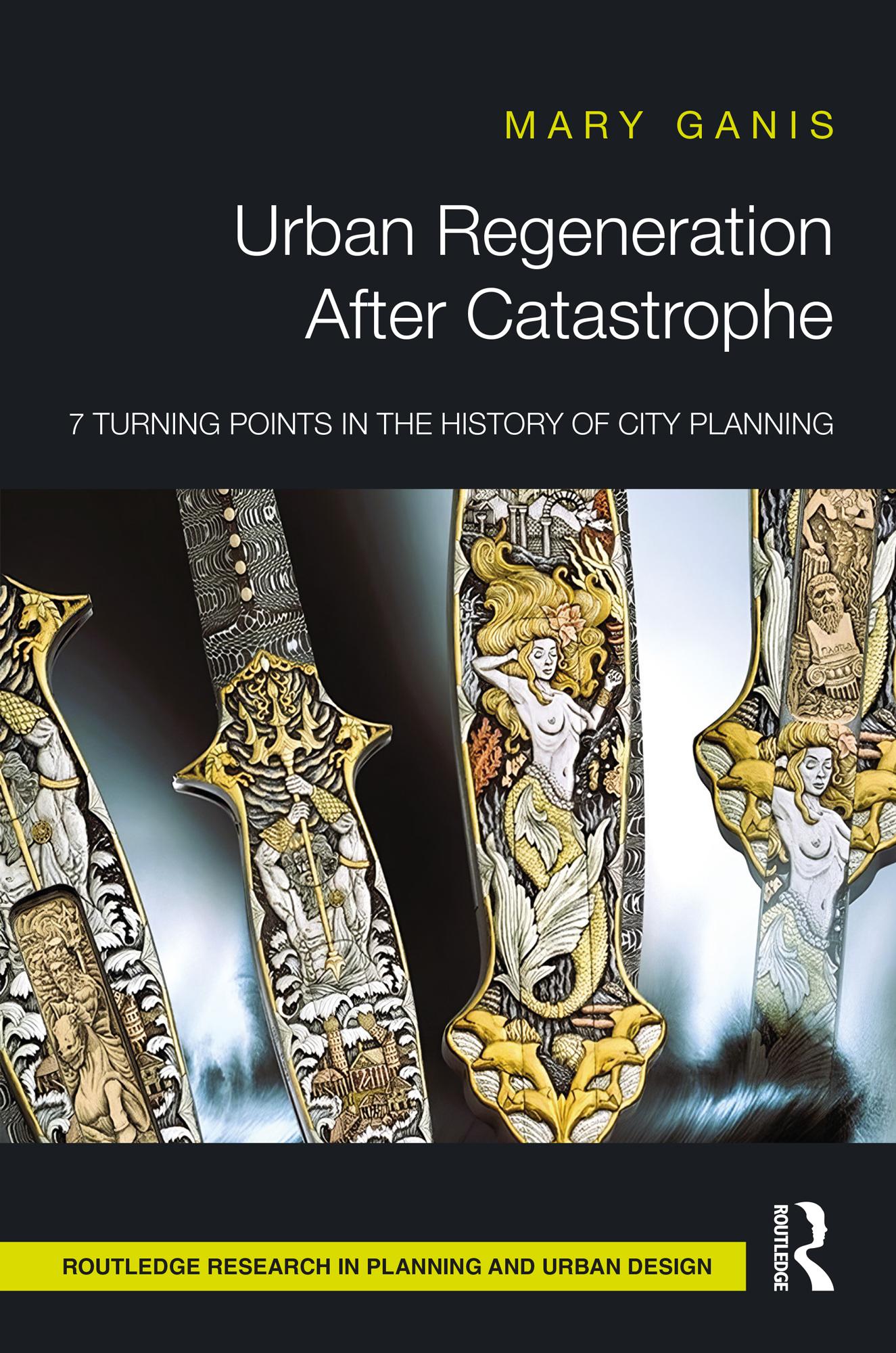
This book examines how catastrophes—natural, technological, ideological, biological and socioeconomic—transform urban design and planning, potentially creating "turning points" in a city's development trajectory.
Through historical case studies, the book traces urban responses to catastrophe: the 1755 Lisbon Earthquake that accelerated European Enlightenment; Haussmann's Paris redesign addressing cholera and social unrest; Chicago's reinvention following the 1871 fire and economic depression; and New York's expressway developments that sparked community activism. Each case reveals significant shifts in urban planning theory and practice. The book explores how urban planning often begins with promising visions that ultimately betray their original intent. Drawing on Plato's Republic and the myth of Atlantis, urban development is framed as a cycle where destruction is inevitable, yet contains seeds of renewal and innovation. This examination of catastrophe's role in urban transformation offers critical insights for understanding contemporary cities and planning for their futures.
The book will be of interest to researchers and students of architecture, urban design, planning history, and planning theory.
Betal nemt med kort, Klarna, Apple Pay eller Google Pay. Ikke tilfreds? Du har altid 14 dages fortrydelsesret. Læs mere i vores vilkår. Har du spørgsmål, så send os en mail på hello@memmo.org.
Memmo gør det nemmere at studere – uanset hvor du er i verden. Hos os samler du dine kursusbøger og smarte studieværktøjer ét sted: resuméer, quizzer, podcasts og flashcards. Og så er der Ted, din studieven, der svarer på alt, du undrer dig over. Over 50 000 studerende studerer allerede her – bygget til at hjælpe dig med at lære hurtigere og stresse mindre.