
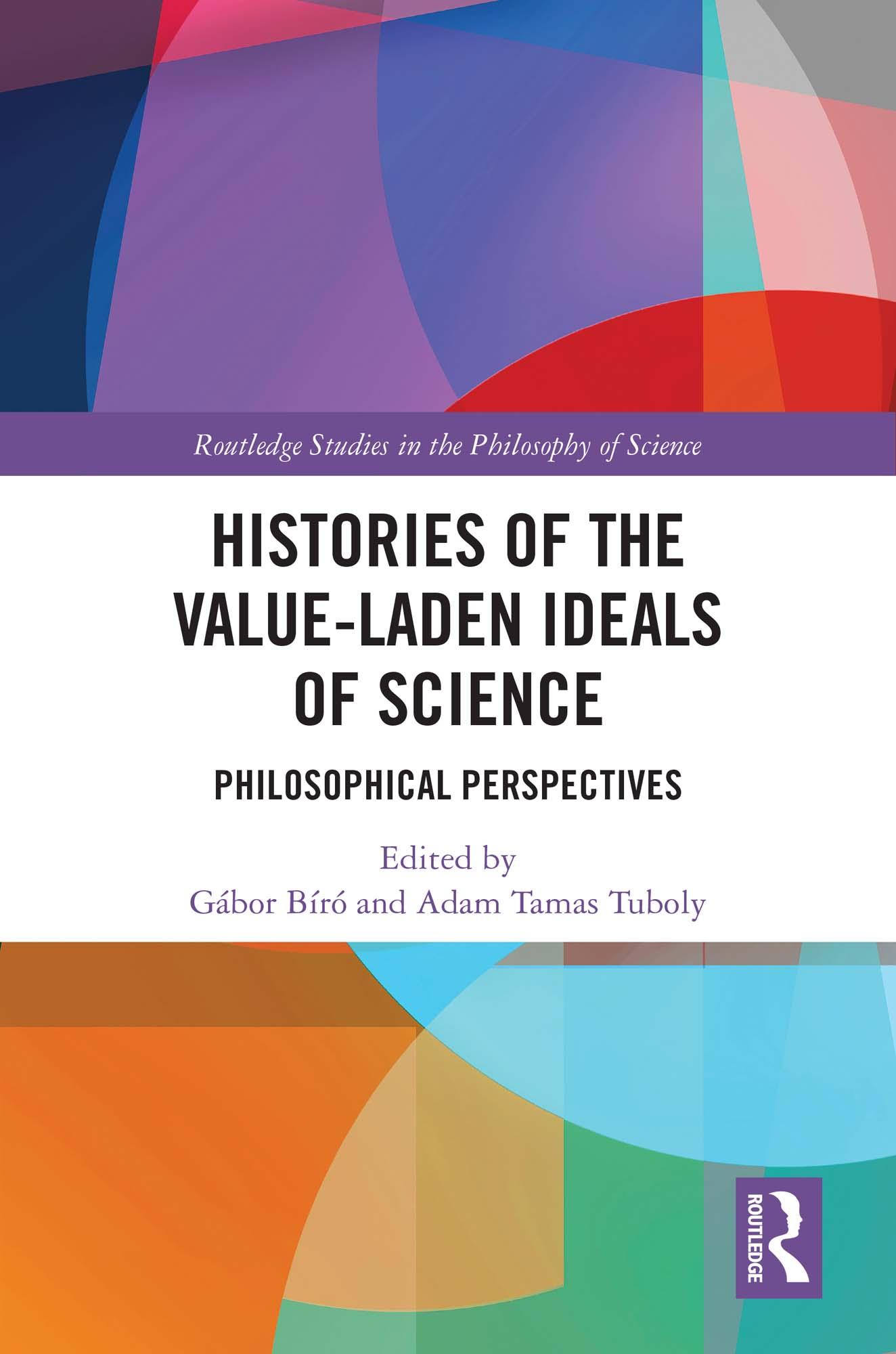
This volume challenges oversimplified accounts of the value-free (VFI) and the value-laden ideals (VLI) in twentieth-century philosophy of science. Rather than a single, unified position, it reveals a diversity of perspectives on the relationship between science and values among influential thinkers of the period.
Drawing on extensive historical research, this volume examines how philosophers including Rudolf Carnap, Herbert Feigl, Michael Polanyi, Robert K. Merton, Thomas Kuhn, and Paul Feyerabend approached questions of scientific objectivity, autonomy, and social responsibility. Each chapter situates these thinkers within their social and intellectual contexts. This volume demonstrates that even during the Cold War era, many philosophers of science refused to embrace a purely technical approach divorced from social concerns. By opening this “black box” in the history of philosophy of science, it offers a more nuanced understanding of how diverse thinkers conceptualized the proper relationship between scientific inquiry and human values.
Histories of the Value-Laden Ideals of Science makes a significant contribution to ongoing debates about objectivity, expertise, and the social dimensions of scientific knowledge. It is essential reading for researchers and graduate students working in the history and philosophy of science.
Betal nemt med kort, Klarna, Apple Pay eller Google Pay. Ikke tilfreds? Du har altid 14 dages fortrydelsesret. Læs mere i vores vilkår. Har du spørgsmål, så send os en mail på hello@memmo.org.
Memmo gør det nemmere at studere – uanset hvor du er i verden. Hos os samler du dine kursusbøger og smarte studieværktøjer ét sted: resuméer, quizzer, podcasts og flashcards. Og så er der Ted, din studieven, der svarer på alt, du undrer dig over. Over 50 000 studerende studerer allerede her – bygget til at hjælpe dig med at lære hurtigere og stresse mindre.