
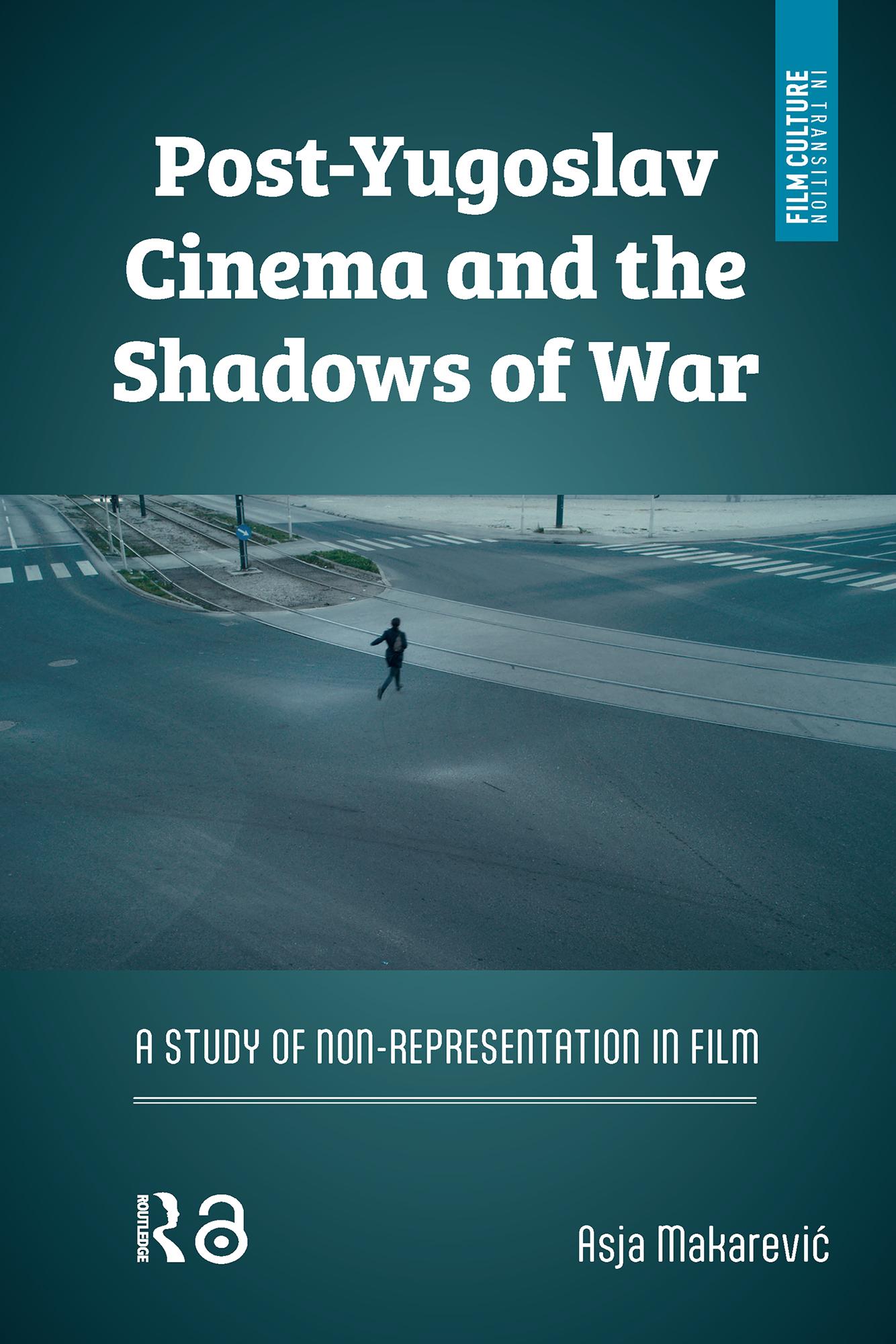
Bosnia-Herzegovina is still considered a post-war country. The concept of post-war implies that the country and its people are tied more strongly to the past than they are oriented towards the future. Paradoxically, as long as the future is kept at bay and the post-war condition kept alive, Bosnia maintains a certain significance on the global scene. However, living in the temporal vacuum of the post-war condition cannot be a long-term perspective. A range of post-Yugoslav films provides spectators with images that offer innovative approaches to the collective past, while simultaneously reframing contemporary experience. This study proposes to call non-representational images appears to offer a more dynamic relationship to the past and the present, while reflecting complex processes of the formation of identity, memory, guilt, and responsibility. But if these dynamics are inherent in non-representational images, is there a way in which they can contribute to overcoming the post-war condition?
Sider: 240
Kategori: Film- & Medievetenskap
e-ISBN: 9781040800737
Forsendelsesvægt: 1.2 kg
Sendes inden for: 1-2 dage
Betal nemt med kort, Klarna, Apple Pay eller Google Pay. Ikke tilfreds? Du har altid 14 dages fortrydelsesret. Læs mere i vores vilkår. Har du spørgsmål, så send os en mail på hello@memmo.org.
Memmo gør det nemmere at studere – uanset hvor du er i verden. Hos os samler du dine kursusbøger og smarte studieværktøjer ét sted: resuméer, quizzer, podcasts og flashcards. Og så er der Ted, din studieven, der svarer på alt, du undrer dig over. Over 50 000 studerende studerer allerede her – bygget til at hjælpe dig med at lære hurtigere og stresse mindre.
Du kan måske også lide
Køb bogen0