
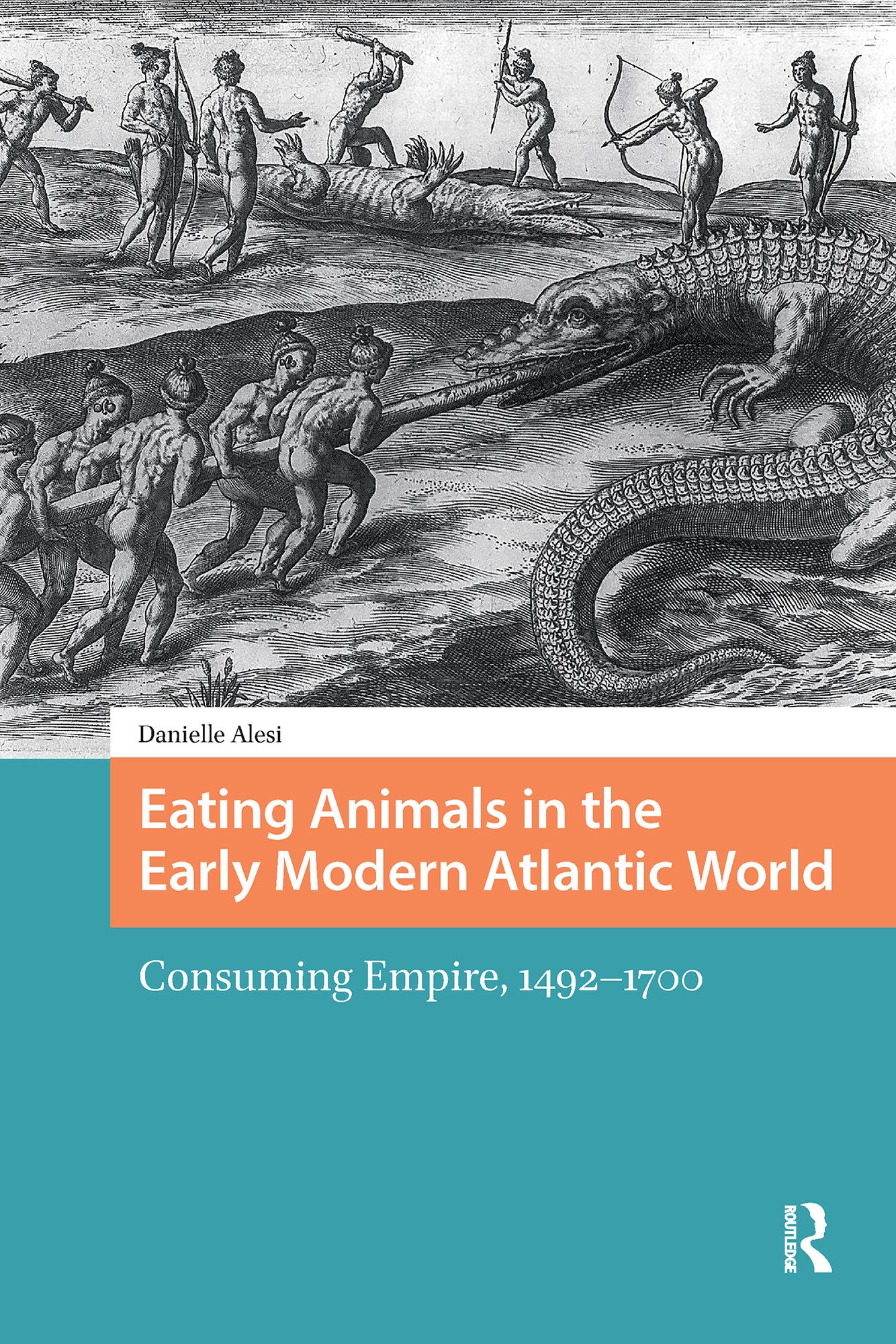
This book examines how the perceived edibility of animals evolved during the colonization of the Americas. Early European colonizers ate a variety of animals in the Americas, motivated by factors like curiosity, starvation, and diplomacy. As settlements increased and became more sustainable, constructs of edibility shifted and the colonial food system evolved accordingly. By exploring the changes in animal edibility identifiable in early modern Spanish, French, and English sources in the regions of Mesoamerica, Greater Amazonia, and the east coast of North America, this book shows that animals, foodways, and settler colonialism are inextricably linked and that the colonization of the Americas was not only the beginning of new empires, but also of a long-lasting colonial food culture that drives both food systems and human-animal relationships to the present day.
Betal nemt med kort, Klarna, Apple Pay eller Google Pay. Ikke tilfreds? Du har altid 14 dages fortrydelsesret. Læs mere i vores vilkår. Har du spørgsmål, så send os en mail på hello@memmo.org.
Memmo gør det nemmere at studere – uanset hvor du er i verden. Hos os samler du dine kursusbøger og smarte studieværktøjer ét sted: resuméer, quizzer, podcasts og flashcards. Og så er der Ted, din studieven, der svarer på alt, du undrer dig over. Over 50 000 studerende studerer allerede her – bygget til at hjælpe dig med at lære hurtigere og stresse mindre.
Du kan måske også lide
Køb bogen0