
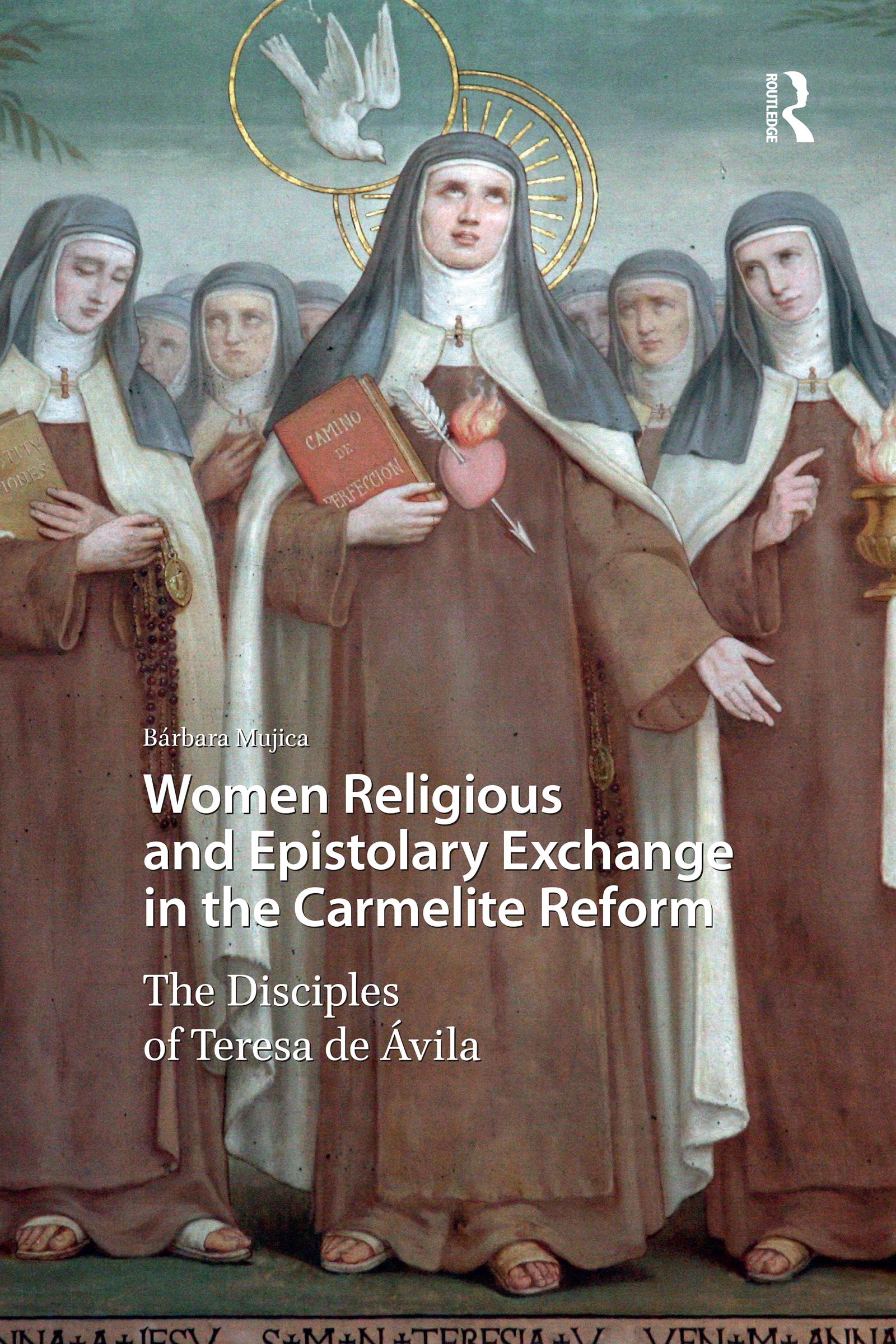
The sixteenth century was a period of crisis in the Catholic Church. Monastic reorganization was a major issue, and women were at the forefront of charting new directions in convent policy. The story of the Carmelite Reform has been told before, but never from the perspective of the women on the front lines. Nearly all accounts of the movement focus on Teresa de Avila, (1515-1582), and end with her death in 1582. Women Religious and Epistolary Exchange in the Carmelite Reform: The Disciples of Teresa de Avila carries the story beyond Teresa's death, showing how the next generation of Carmelite nuns struggled into the seventeenth century to continue her mission. It is unique in that it draws primarily from female-authored sources, in particular, the letters of three of Teresa's most dynamic disciples: María de San José, Ana de Jesús and Ana de San Bartolomé.
Betal nemt med kort, Klarna, Apple Pay eller Google Pay. Ikke tilfreds? Du har altid 14 dages fortrydelsesret. Læs mere i vores vilkår. Har du spørgsmål, så send os en mail på hello@memmo.org.
Memmo gør det nemmere at studere – uanset hvor du er i verden. Hos os samler du dine kursusbøger og smarte studieværktøjer ét sted: resuméer, quizzer, podcasts og flashcards. Og så er der Ted, din studieven, der svarer på alt, du undrer dig over. Over 50 000 studerende studerer allerede her – bygget til at hjælpe dig med at lære hurtigere og stresse mindre.