
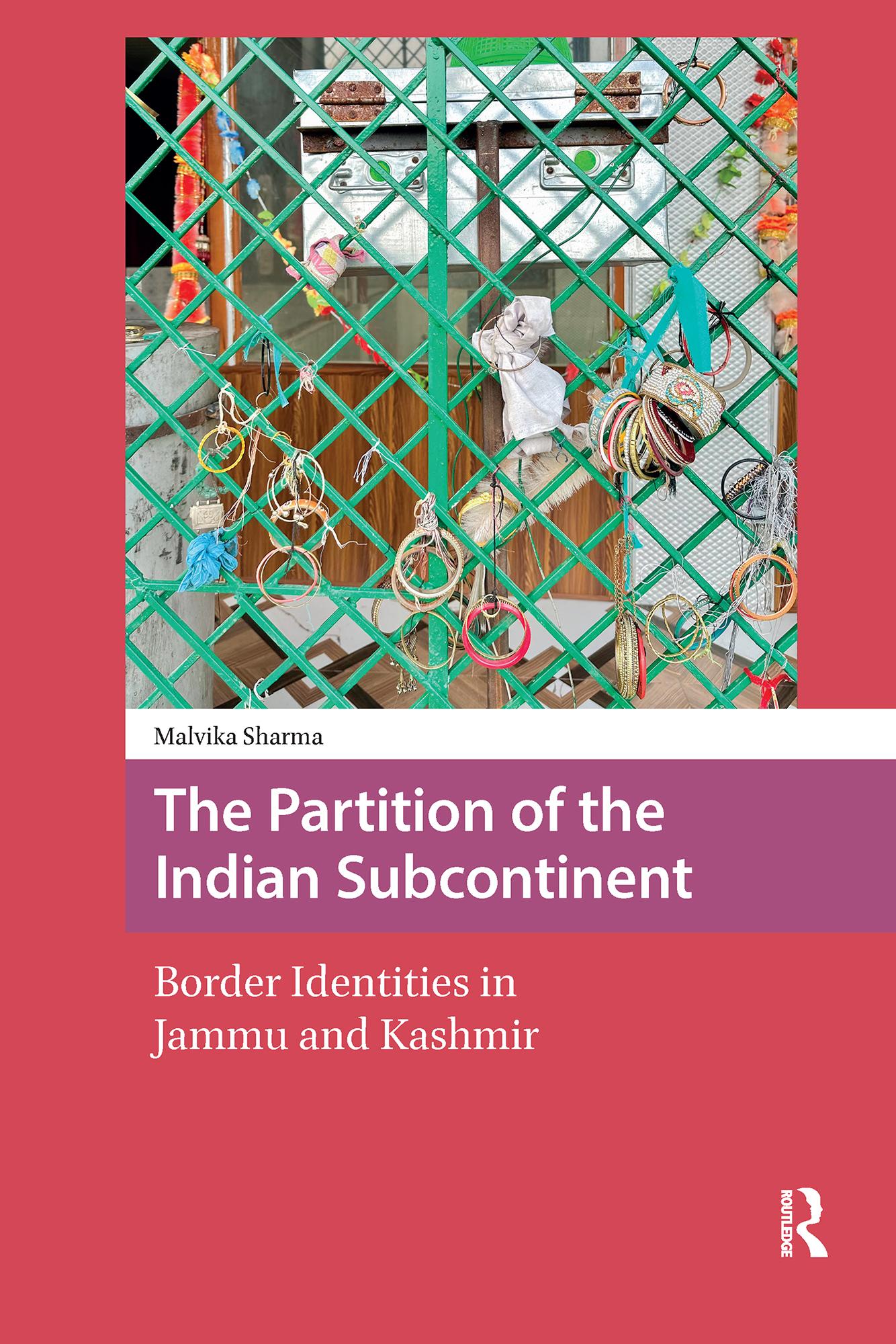
Pir-Panjals, the Himalayan ranges in Jammu and Kashmir, are home to various communities known for their distinctiveness, heterogeneity and diversity. Such diversity is historically embedded in the fluidity embodied by folds of Panjals. These folds encapsulated social, cultural, and religious plurality within the principalities that thrived here. The Partition of 1947 profoundly altered this by carving lines of demarcation—present day line-of-control—into the landscape. These lines have territorially, religiously and culturally divided ethnicities, including the Paharis of Poonch, known for multi-religious and linguistic cohesion. This book examines Partition’s impact on these pockets of diversity by exploring how Partition’s borders continue to shape social, symbolic and religious boundaries and how these boundaries impact shared plurality here. The work emphasizes the need to identify and archive sources of plurality so that their cultivation and practice continue to counter “the binaries” that essentially homogenize life-ways into categories of us versus them.
Betal nemt med kort, Klarna, Apple Pay eller Google Pay. Ikke tilfreds? Du har altid 14 dages fortrydelsesret. Læs mere i vores vilkår. Har du spørgsmål, så send os en mail på hello@memmo.org.
Memmo gør det nemmere at studere – uanset hvor du er i verden. Hos os samler du dine kursusbøger og smarte studieværktøjer ét sted: resuméer, quizzer, podcasts og flashcards. Og så er der Ted, din studieven, der svarer på alt, du undrer dig over. Over 50 000 studerende studerer allerede her – bygget til at hjælpe dig med at lære hurtigere og stresse mindre.