
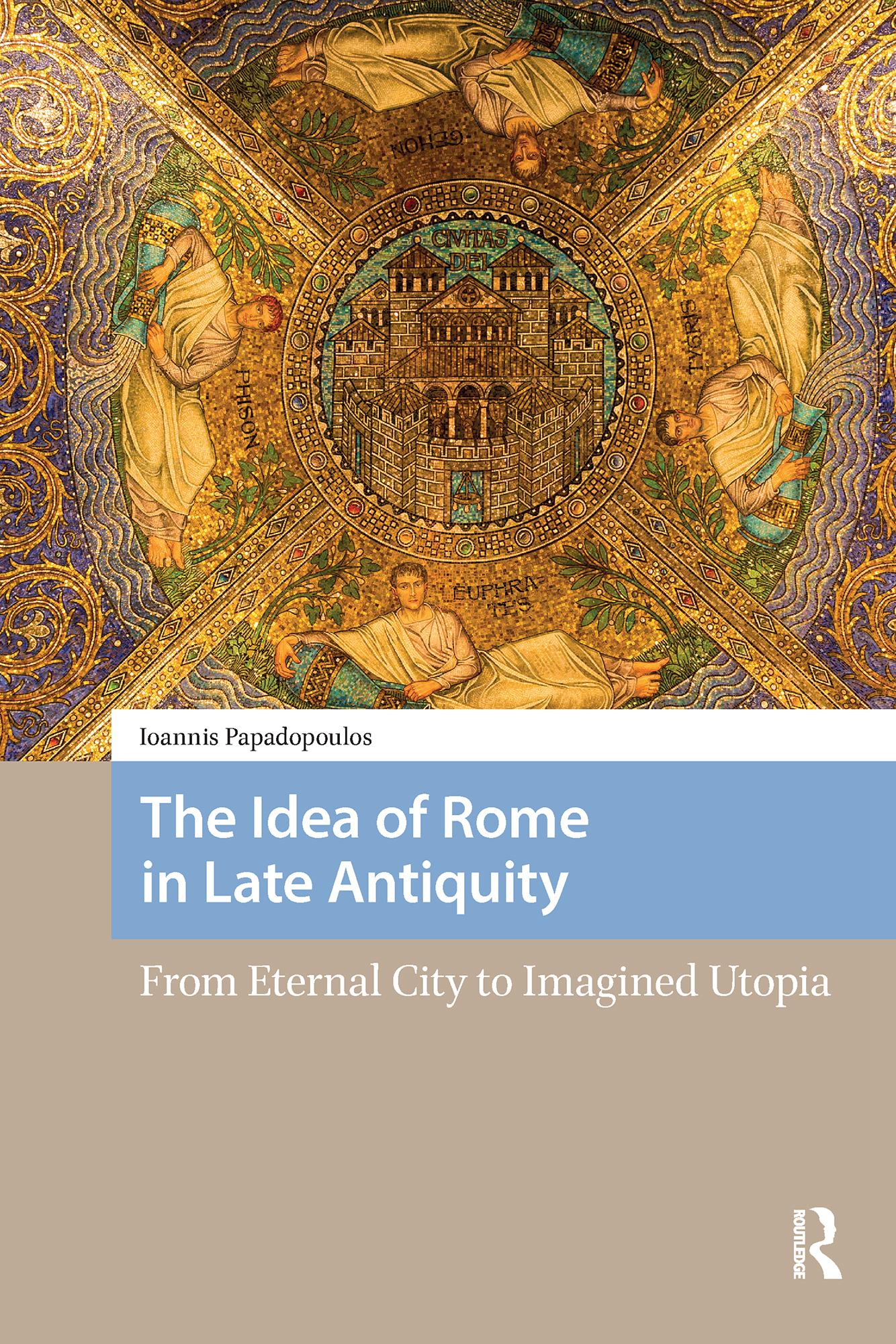
This book approaches the manifestation and evolution of the idea of Rome as an expression of Roman patriotism and as an (urban) archetype of utopia in late Roman thought in a period extending from AD 357 to 417. Within this period of about a human lifetime, the concepts of Rome and Romanitas were reshaped and used for various ideological causes. This monograph unfolds through a selection of sources that represent the patterns and diversity of this ideological process. The theme of Rome as a personified and anthropomorphic figure and as an epitomized notion 'applied' on the urban landscape would become part of the identity of the Romans of Rome highlighting a sense of cultural uniqueness in an era when their city’s privileged status was challenged. Towards the end of the chronological limits set in this thesis various versions of Romanitas would emerge indicating new physical and spiritual potentials.
Betal nemt med kort, Klarna, Apple Pay eller Google Pay. Ikke tilfreds? Du har altid 14 dages fortrydelsesret. Læs mere i vores vilkår. Har du spørgsmål, så send os en mail på hello@memmo.org.
Memmo gør det nemmere at studere – uanset hvor du er i verden. Hos os samler du dine kursusbøger og smarte studieværktøjer ét sted: resuméer, quizzer, podcasts og flashcards. Og så er der Ted, din studieven, der svarer på alt, du undrer dig over. Over 50 000 studerende studerer allerede her – bygget til at hjælpe dig med at lære hurtigere og stresse mindre.