
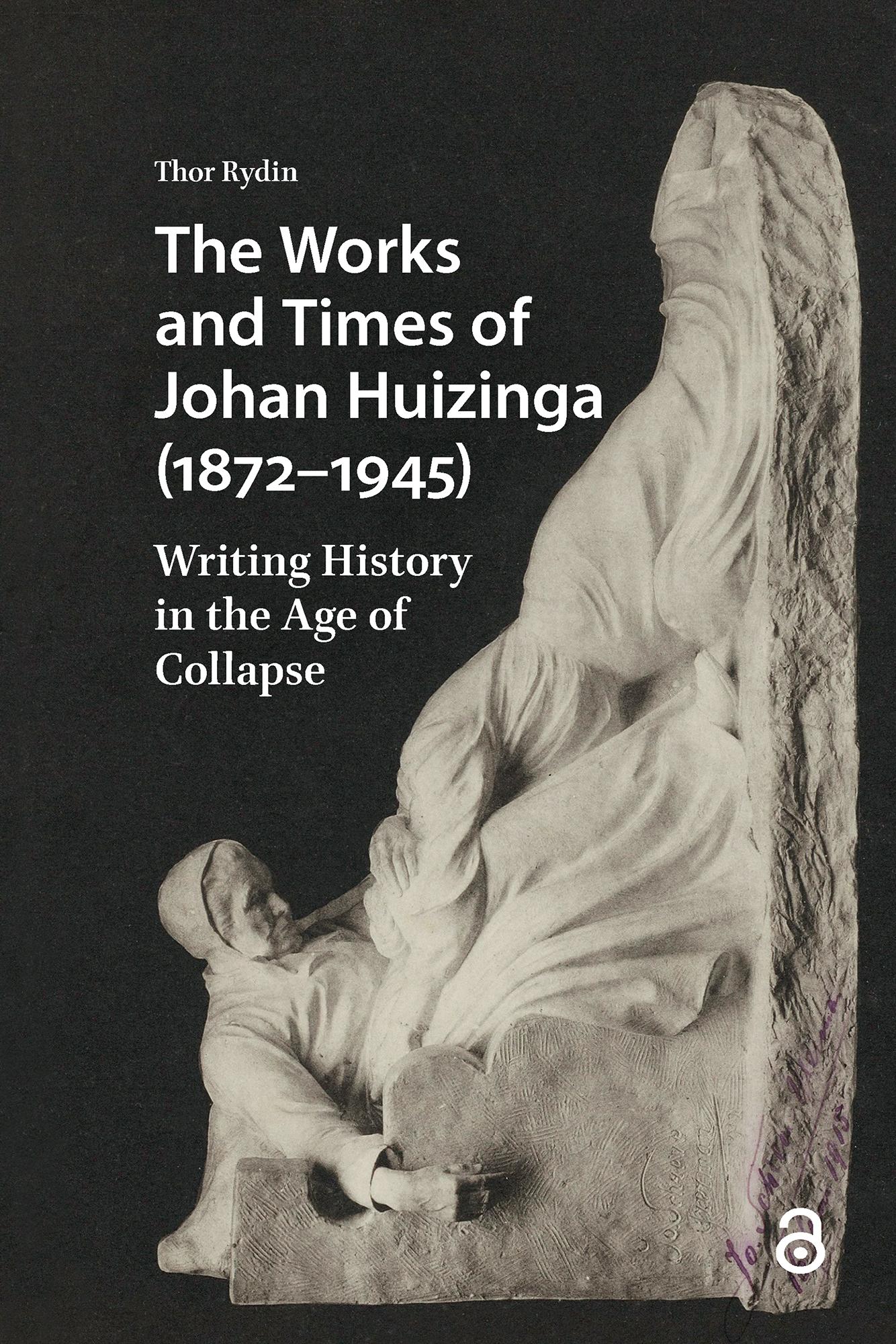
The lifetime of Johan Huizinga (1872-1945) was marked by dramatic transformations in Europe. Cityscapes, aesthetic codes, social orders, political cultures, international travel and means of warfare developed beyond recognition; entire catalogues of hopes and fears were torn asunder and replaced by new ones during not one but two wars. Amidst all these changes, Huizinga grew to become one of the most famous historians of his time. To this day, his works are treated as monuments in the cultural historical field. This book examines how these transformations and 'experiences of loss' affected and informed Huizinga's historical perspectives. Most centrally, this book contends that Huizinga's historical works helped to accommodate and give meaning to his own experiences of uncertainty and rupture, thus offering him a way of life in turbulent times. This project offers an original and comprehensive analysis of an iconic historian writing in the age of collapse.
Betal nemt med kort, Klarna, Apple Pay eller Google Pay. Ikke tilfreds? Du har altid 14 dages fortrydelsesret. Læs mere i vores vilkår. Har du spørgsmål, så send os en mail på hello@memmo.org.
Memmo gør det nemmere at studere – uanset hvor du er i verden. Hos os samler du dine kursusbøger og smarte studieværktøjer ét sted: resuméer, quizzer, podcasts og flashcards. Og så er der Ted, din studieven, der svarer på alt, du undrer dig over. Over 50 000 studerende studerer allerede her – bygget til at hjælpe dig med at lære hurtigere og stresse mindre.
Du kan måske også lide
Køb bogen0