
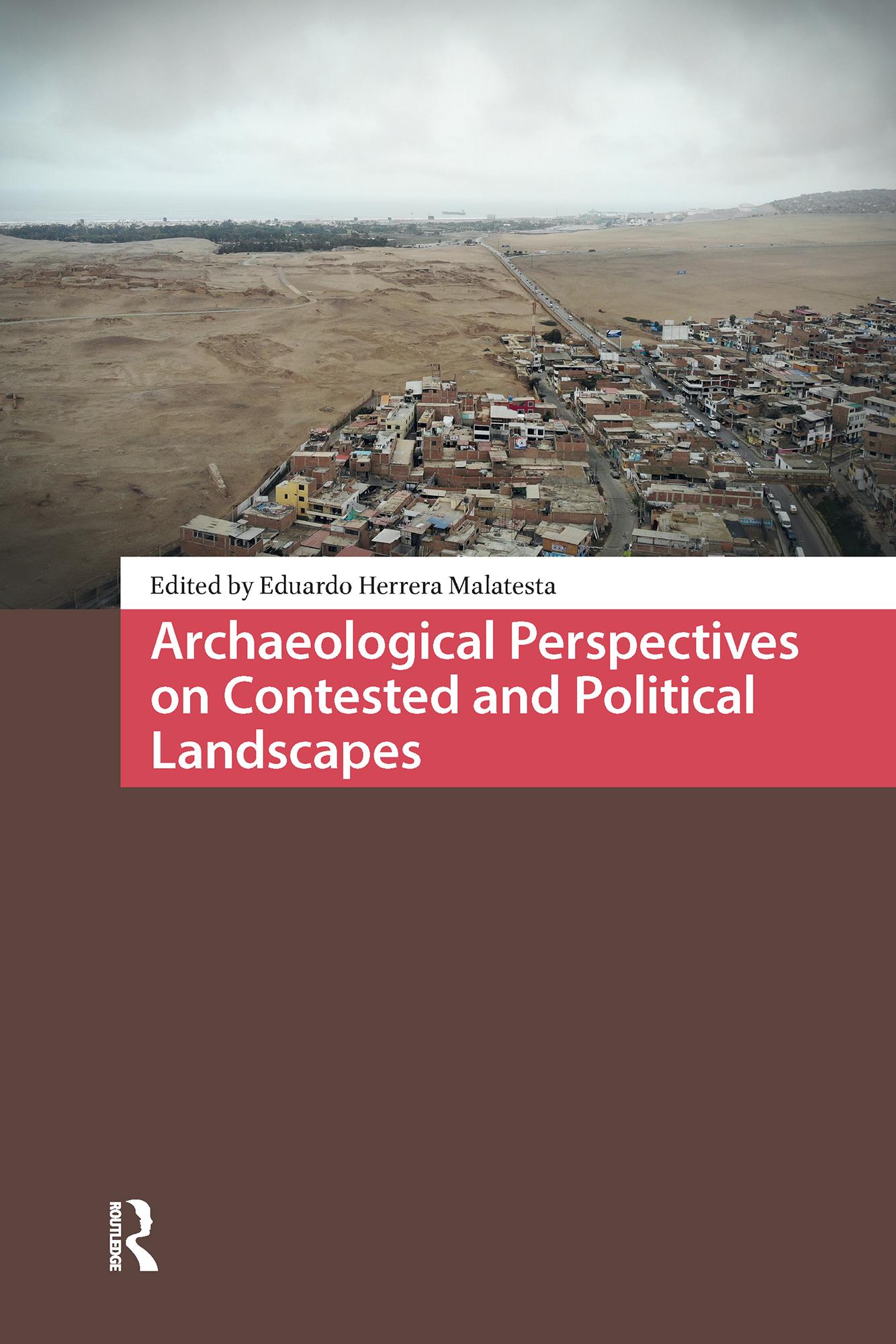
This book focuses on alternative definitions of landscape in archaeology, particularly those that explicitly address landscapes’ political aspects. In doing so, this volume emphasizes the non-static, dialogic nature of landscape within a community and acknowledges how a community’s composition and its relationship with the landscape can lead to tensions and even violent conflicts with other groups. It highlights the relevance of considering movement, borders, and conflict as sources for understanding how people create their own landscapes and how they reshape them in times of political conflict. For example, in contexts of colonization and war, people are forced to adapt to new politics and hierarchies as they see their personal and communal understanding of the world deeply transformed, something visible even today as political tensions constantly reshape local and global landscapes. Understanding how landscapes were created and contested in the past is essential for understanding their political, economic, and cultural manifestations in the present in order to better organize ourselves for a truly integrative future.
Betal nemt med kort, Klarna, Apple Pay eller Google Pay. Ikke tilfreds? Du har altid 14 dages fortrydelsesret. Læs mere i vores vilkår. Har du spørgsmål, så send os en mail på hello@memmo.org.
Memmo gør det nemmere at studere – uanset hvor du er i verden. Hos os samler du dine kursusbøger og smarte studieværktøjer ét sted: resuméer, quizzer, podcasts og flashcards. Og så er der Ted, din studieven, der svarer på alt, du undrer dig over. Over 50 000 studerende studerer allerede her – bygget til at hjælpe dig med at lære hurtigere og stresse mindre.
Du kan måske også lide
Køb bogen0