
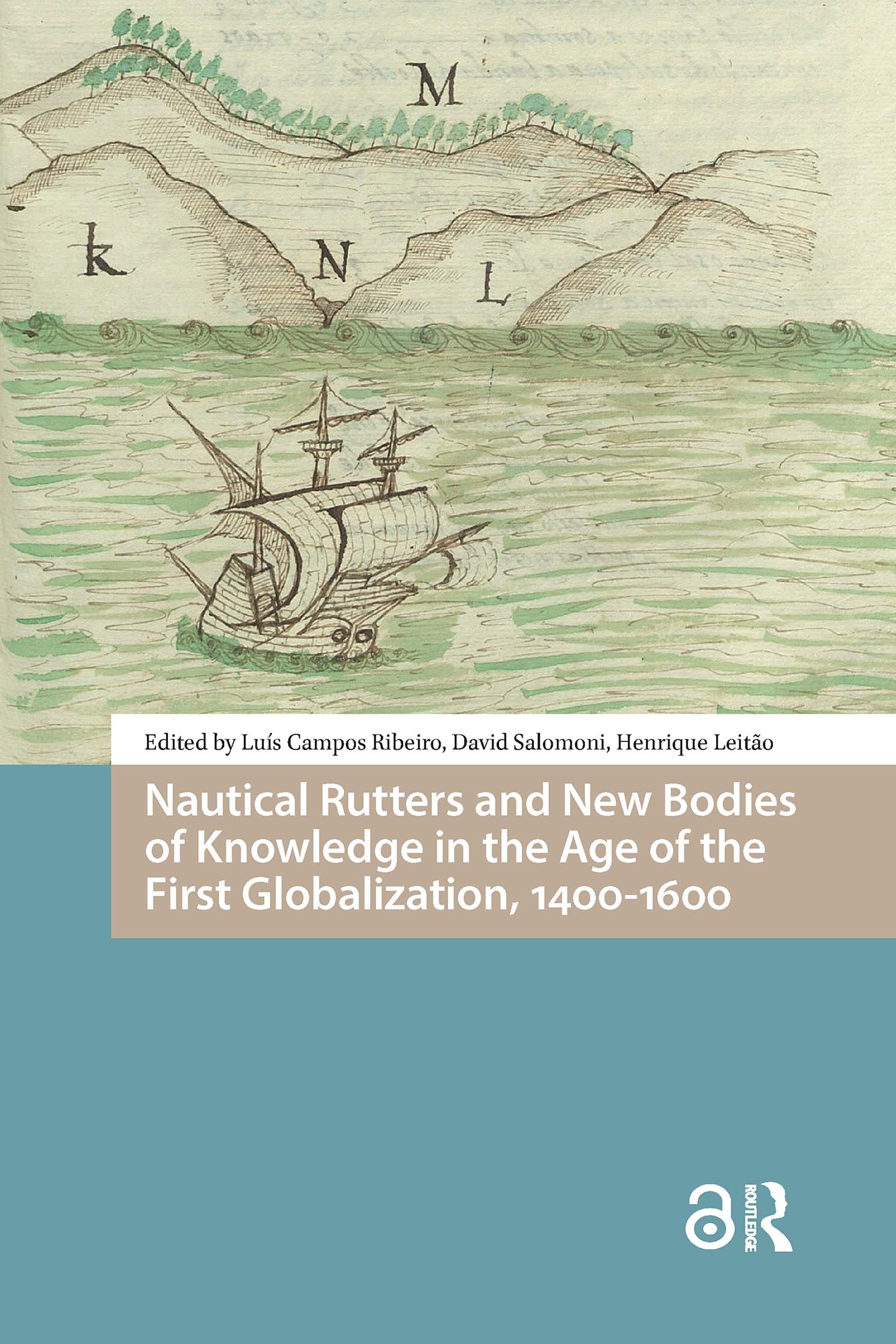
The European maritime expansion of the fifteenth century reshaped global politics, economies, and perceptions of space. Central to this transformation was the mastery of long-distance sea routes and the development of rutters—technical documents recording navigational data and geographic observations. Despite their significance, rutters have often been overlooked in studies of European imperial expansion and globalization. This book highlights the indispensable role of rutters and ships' logbooks in early modern navigation and knowledge production. Examining their legal, scientific, and cultural dimensions, it explores their evolution, influence on cartography, and impact beyond Europe, particularly in the Indian Ocean. With contributions from experts in the field, this volume underscores rutters as more than navigational aids—they were pivotal instruments in shaping global interconnectedness. Essential reading for historians of science, maritime history, and globalization, this book reveals how these documents transformed Europe's perception of a world connected by oceans.
Betal nemt med kort, Klarna, Apple Pay eller Google Pay. Ikke tilfreds? Du har altid 14 dages fortrydelsesret. Læs mere i vores vilkår. Har du spørgsmål, så send os en mail på hello@memmo.org.
Memmo gør det nemmere at studere – uanset hvor du er i verden. Hos os samler du dine kursusbøger og smarte studieværktøjer ét sted: resuméer, quizzer, podcasts og flashcards. Og så er der Ted, din studieven, der svarer på alt, du undrer dig over. Over 50 000 studerende studerer allerede her – bygget til at hjælpe dig med at lære hurtigere og stresse mindre.
Du kan måske også lide
Køb bogen0