
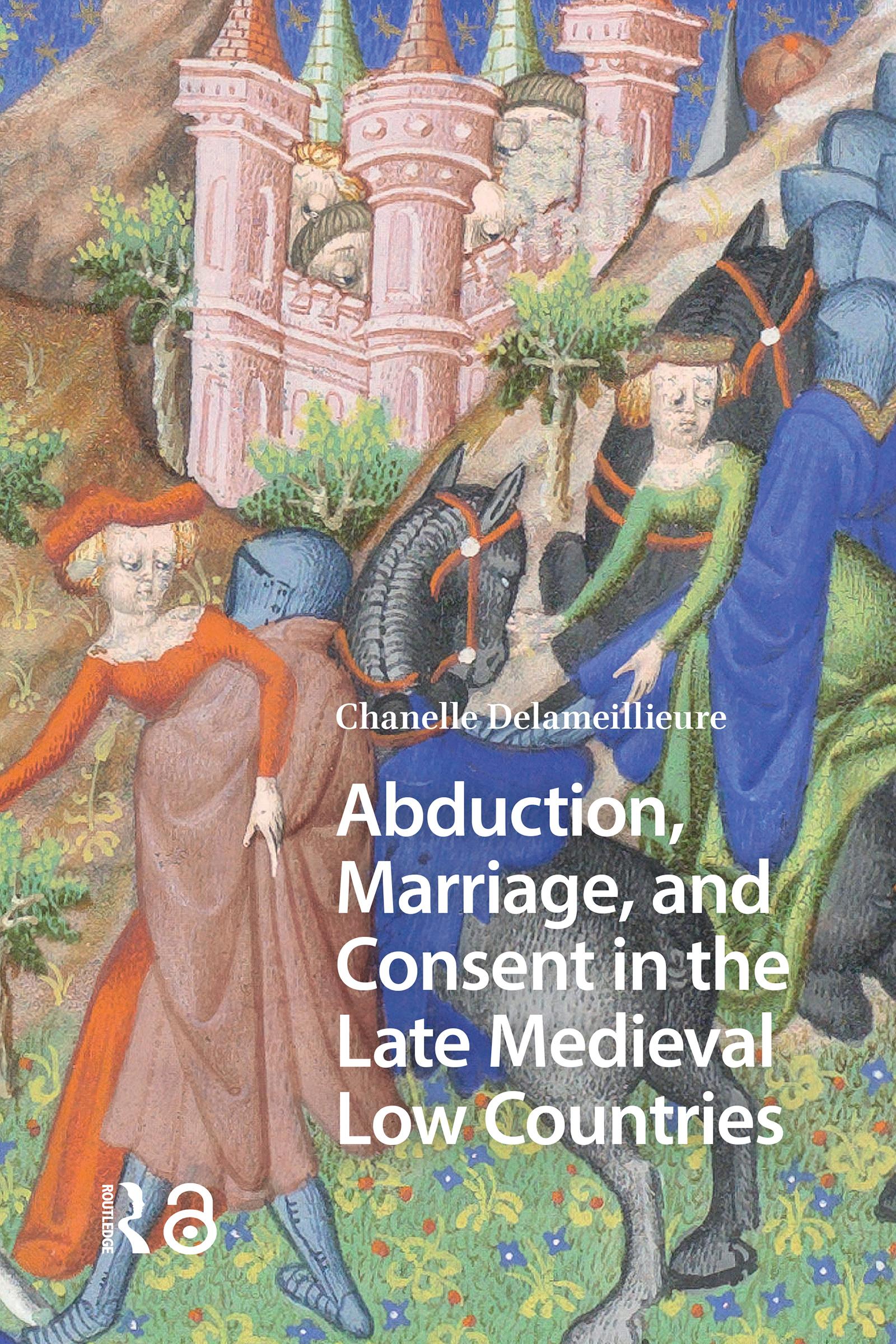
The Middle Dutch term schaec referred to abduction with marital intent. This book explores this phenomenon to understand wider attitudes towards marriage-making in the fifteenth-century Low Countries. Whilst exchanging words of consent was all that was required legally, making marriage was a social process that evoked public concern and familial scrutiny. Abductions embodied contrasting evaluations of what mattered when selecting a spouse and resulted in polarized trials in which narratives on consent, coercion, and family strategy coincided and competed. Abduction, Marriage, and Consent draws from a wide range of legal records to assess how men, women, families, and authorities used, navigated, and dealt with abductions during this period. It contributes to debates on consent, family involvement, and women’s access to justice and demonstrates that abduction should be approached as a comprehensive social phenomenon, one that is crucial in the history of marriage and women’s social and legal status.
Betal nemt med kort, Klarna, Apple Pay eller Google Pay. Ikke tilfreds? Du har altid 14 dages fortrydelsesret. Læs mere i vores vilkår. Har du spørgsmål, så send os en mail på hello@memmo.org.
Memmo gør det nemmere at studere – uanset hvor du er i verden. Hos os samler du dine kursusbøger og smarte studieværktøjer ét sted: resuméer, quizzer, podcasts og flashcards. Og så er der Ted, din studieven, der svarer på alt, du undrer dig over. Over 50 000 studerende studerer allerede her – bygget til at hjælpe dig med at lære hurtigere og stresse mindre.