
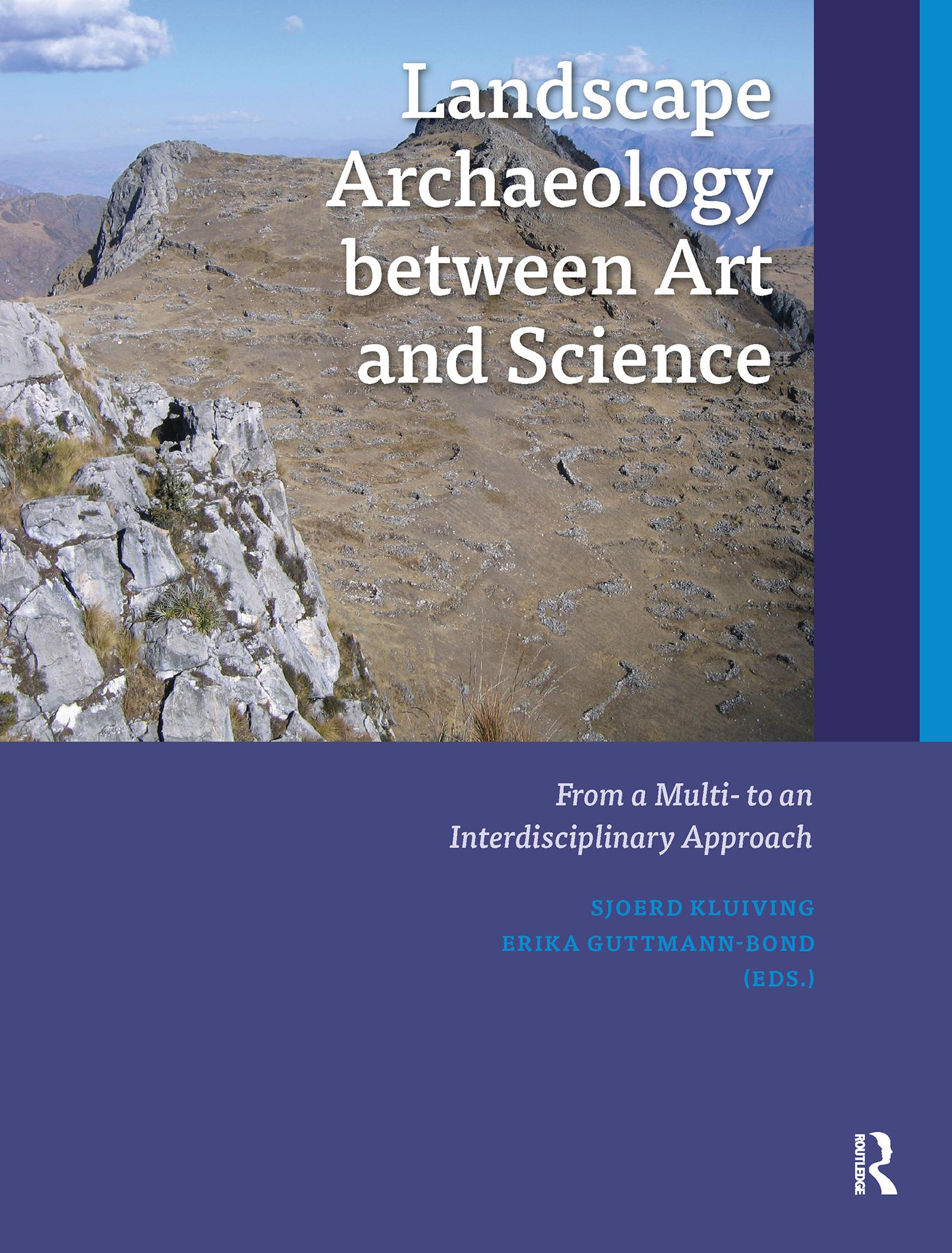
Researchers in landscape archaeology use two different definitions of landscape. One definition (landscape as territory) is used by the processual archaeologists, earth scientists, and most historical geographers within this volume. By contrast, post-processual archaeologists, new cultural geographers and anthropologists favour a more abstract definition of landscape, based on how it is perceived by the observer. Both definitions are addressed in this book, with 35 papers that are presented here and that are divided into six themes: 1) How did landscape change?; 2) Improving temporal, chronological and transformational frameworks; 3) Linking landscapes of lowlands with mountainous areas; 4) Applying concepts of scale; 5) New directions in digital prospection and modelling techniques, and 6) How will landscape archaeology develop in the future? This volume demonstrates a worldwide interest in landscape archaeology, and the research presented here draws upon and integrates the humanities and sciences. This interdisciplinary approach is rapidly gaining support in new regions where such collaborations were previously uncommon.
Betal nemt med kort, Klarna, Apple Pay eller Google Pay. Ikke tilfreds? Du har altid 14 dages fortrydelsesret. Læs mere i vores vilkår. Har du spørgsmål, så send os en mail på hello@memmo.org.
Memmo gør det nemmere at studere – uanset hvor du er i verden. Hos os samler du dine kursusbøger og smarte studieværktøjer ét sted: resuméer, quizzer, podcasts og flashcards. Og så er der Ted, din studieven, der svarer på alt, du undrer dig over. Over 50 000 studerende studerer allerede her – bygget til at hjælpe dig med at lære hurtigere og stresse mindre.
Du kan måske også lide
Køb bogen0