
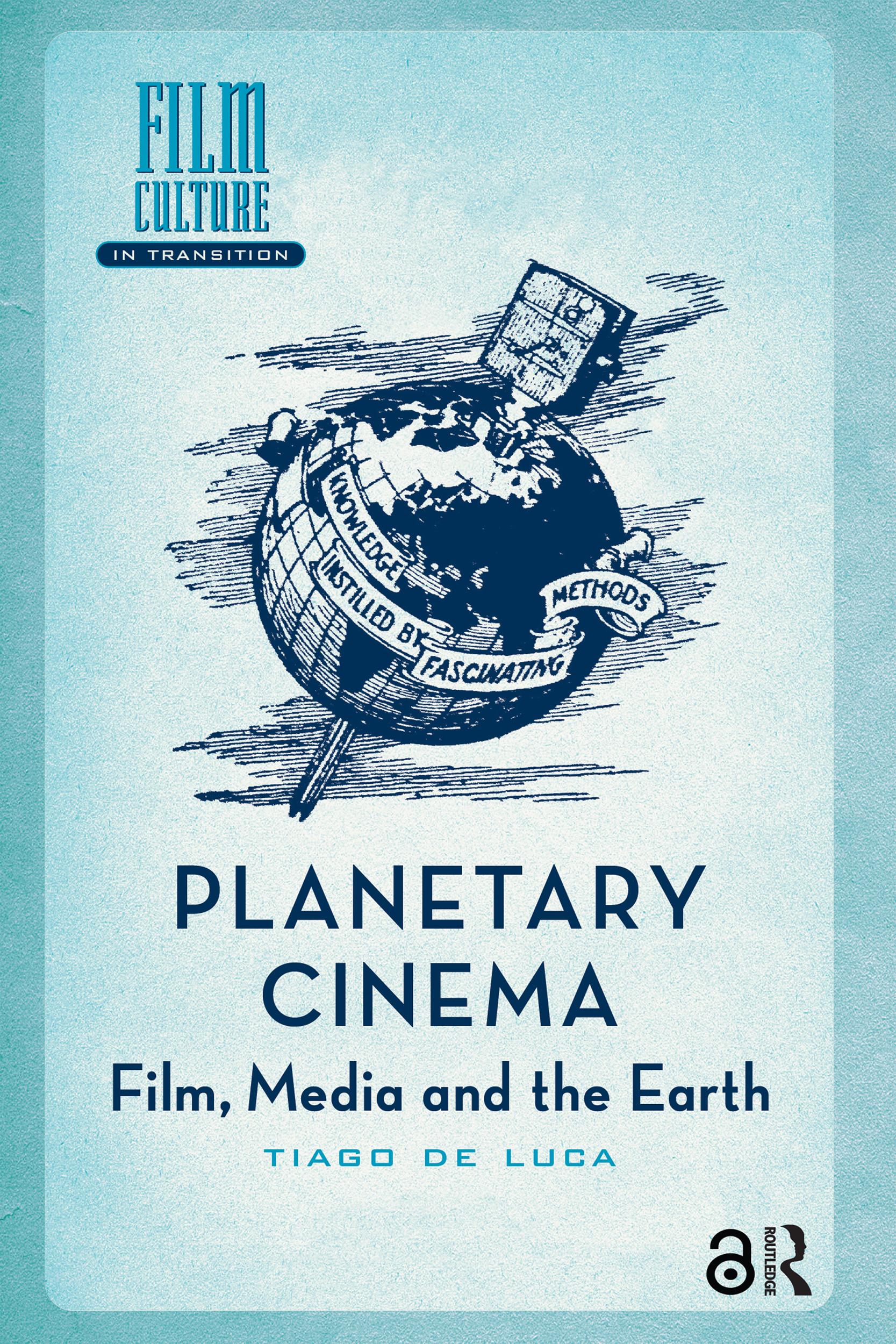
The story is now familiar. In the late 1960s humanity finally saw photographic evidence of the Earth in space for the first time. According to this narrative, the impact of such images in the consolidation of a planetary consciousness is yet to be matched. This book tells a different story. It argues that this narrative has failed to account for the vertiginous global imagination underpinning the media and film culture of the late nineteenth century and beyond. Panoramas, giant globes, world exhibitions, photography and stereography: all promoted and hinged on the idea of a world made whole and newly visible. When it emerged, cinema did not simply contribute to this effervescent globalism so much as become its most significant and enduring manifestation. Planetary Cinema proposes that an exploration of that media culture can help us understand contemporary planetary imaginaries in times of environmental collapse. Engaging with a variety of media, genres and texts, the book sits at the intersection of film/media history and theory/ philosophy, and it claims that we need this combined approach and expansive textual focus in order to understand the way we see the world.
Betal nemt med kort, Klarna, Apple Pay eller Google Pay. Ikke tilfreds? Du har altid 14 dages fortrydelsesret. Læs mere i vores vilkår. Har du spørgsmål, så send os en mail på hello@memmo.org.
Memmo gør det nemmere at studere – uanset hvor du er i verden. Hos os samler du dine kursusbøger og smarte studieværktøjer ét sted: resuméer, quizzer, podcasts og flashcards. Og så er der Ted, din studieven, der svarer på alt, du undrer dig over. Over 50 000 studerende studerer allerede her – bygget til at hjælpe dig med at lære hurtigere og stresse mindre.