
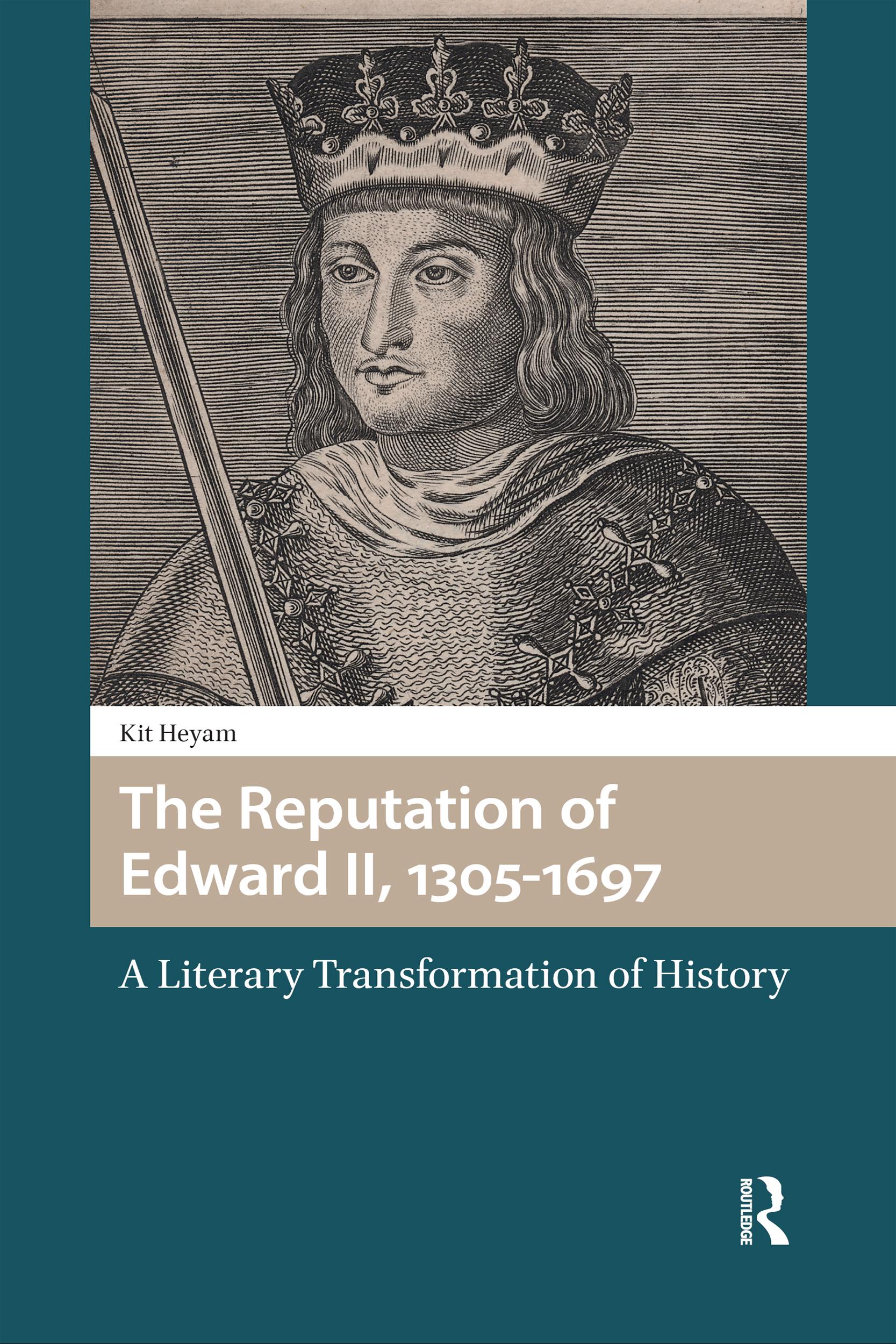
During his lifetime and the four centuries following his death, King Edward II (1307-1327) acquired a reputation for having engaged in sexual and romantic relationships with his male favourites, and having been murdered by penetration with a red-hot spit. This book provides the first account of how this reputation developed, providing new insights into the processes and priorities that shaped narratives of sexual transgression in medieval and early modern England. In doing so, it analyses the changing vocabulary of sexual transgression in English, Latin and French; the conditions that created space for sympathetic depictions of same-sex love; and the use of medieval history in early modern political polemic. It also focuses, in particular, on the cultural impact of Christopher Marlowe's Edward II (c.1591-92). Through such close readings of poetry and drama, alongside chronicle accounts and political pamphlets, it demonstrates that Edward's medieval and early modern afterlife was significantly shaped by the influence of literary texts and techniques. A 'literary transformation' of historiographical methodology is, it argues, an apposite response to the factors that shaped medieval and early modern narratives of the past.
Betal nemt med kort, Klarna, Apple Pay eller Google Pay. Ikke tilfreds? Du har altid 14 dages fortrydelsesret. Læs mere i vores vilkår. Har du spørgsmål, så send os en mail på hello@memmo.org.
Memmo gør det nemmere at studere – uanset hvor du er i verden. Hos os samler du dine kursusbøger og smarte studieværktøjer ét sted: resuméer, quizzer, podcasts og flashcards. Og så er der Ted, din studieven, der svarer på alt, du undrer dig over. Over 50 000 studerende studerer allerede her – bygget til at hjælpe dig med at lære hurtigere og stresse mindre.