
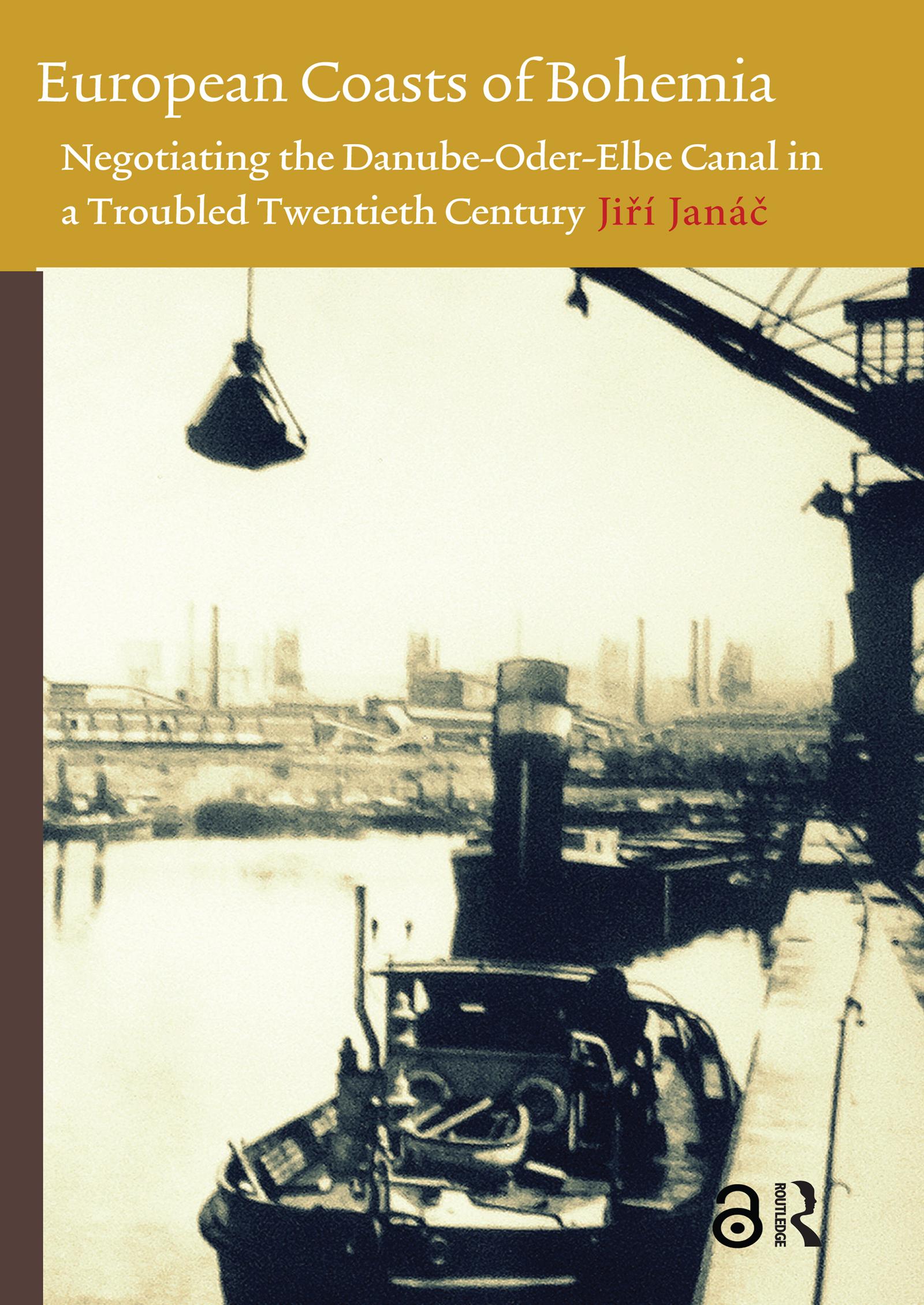
The Danube–Oder–Elbe Canal attracted a great deal of attention throughout the twentieth century. Its promoters, The Danube–Oder–Elbe Canal, attracted a great deal of attention throughout the twentieth century and defined it as a tool for integrating a divided Europe. Although the canal was situated almost exclusively on Czech territory, it promised to create an integrated waterway system across the Continent that would link Black Sea ports to Atlantic markets. In return, the landlocked Czechoslovakian state would have its own connections to the sea. Today, the canal is an important building block of the European Agreement on Main Inland Waterways.,This book provides a fascinating story of the experts who confronted and contributed to different and often conflicting geopolitical visions of Europe. The canal was never completed, yet what is more remarkable is the fact that the canal remained on various agendas and attracted vast resources throughout the twentieth century.
Betal nemt med kort, Klarna, Apple Pay eller Google Pay. Ikke tilfreds? Du har altid 14 dages fortrydelsesret. Læs mere i vores vilkår. Har du spørgsmål, så send os en mail på hello@memmo.org.
Memmo gør det nemmere at studere – uanset hvor du er i verden. Hos os samler du dine kursusbøger og smarte studieværktøjer ét sted: resuméer, quizzer, podcasts og flashcards. Og så er der Ted, din studieven, der svarer på alt, du undrer dig over. Over 50 000 studerende studerer allerede her – bygget til at hjælpe dig med at lære hurtigere og stresse mindre.
Du kan måske også lide
Køb bogen0