
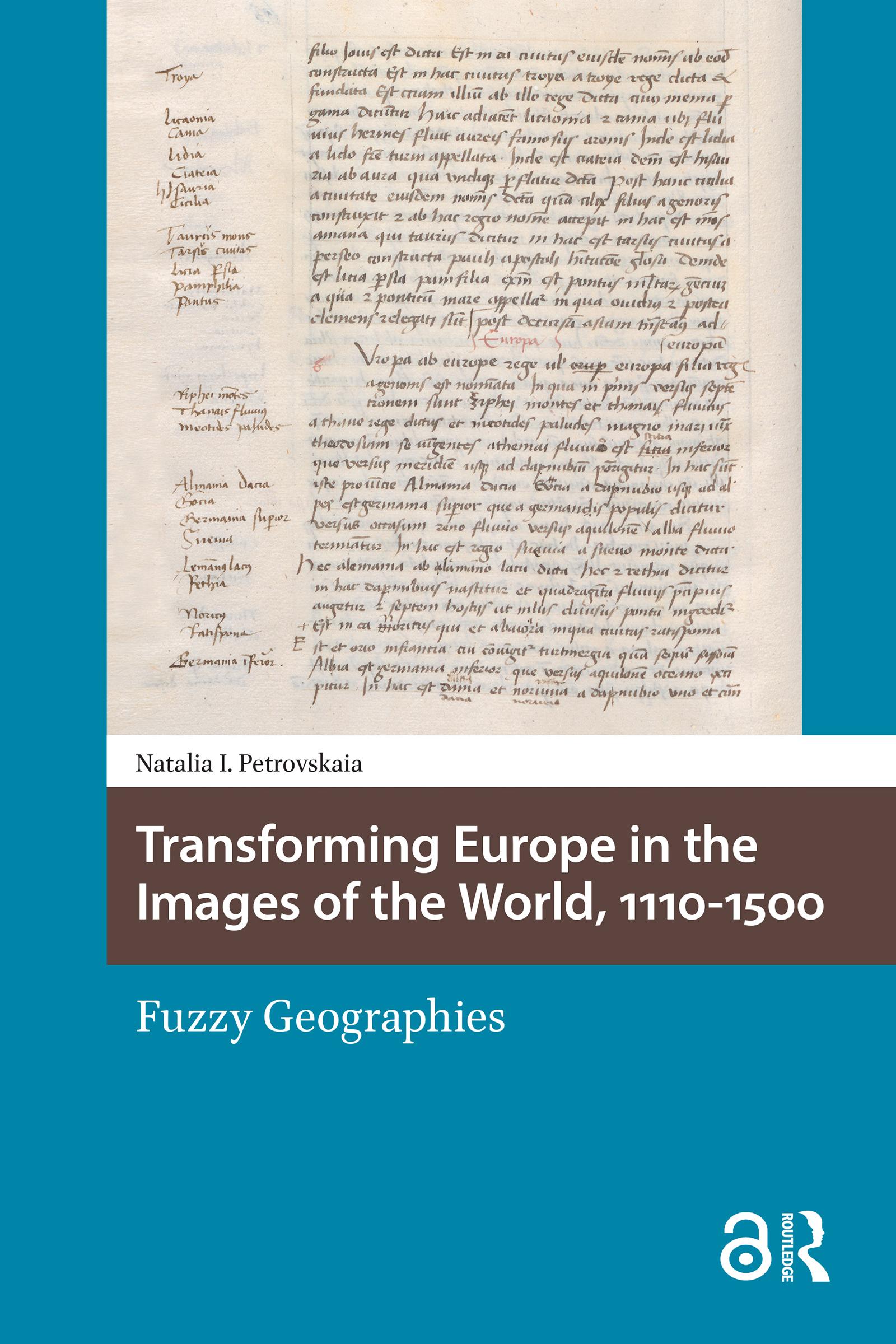
This is the first book to examine the wide and important geographical tradition that arose from the description of the world in the Imago mundi – a medieval encyclopedic bestseller, almost unrivalled in popularity from its composition in the 1110s well into the age of print. The Imago mundi was translated into most European vernaculars and extracts from it were adapted into vernacular works ranging from encyclopedias to literary fiction, verse and prose. This is the first study to examine this tradition as a unified whole. It focuses in particular on the permutations undergone by the depiction of the region designated as ‘Europe’ in the original text and its later adaptations. The book demonstrates the incredible flexibility of the original text and how this enabled the transformation of this spatial description to suit the linguistic, political and cultural needs of vernacular adaptations.
Betal nemt med kort, Klarna, Apple Pay eller Google Pay. Ikke tilfreds? Du har altid 14 dages fortrydelsesret. Læs mere i vores vilkår. Har du spørgsmål, så send os en mail på hello@memmo.org.
Memmo gør det nemmere at studere – uanset hvor du er i verden. Hos os samler du dine kursusbøger og smarte studieværktøjer ét sted: resuméer, quizzer, podcasts og flashcards. Og så er der Ted, din studieven, der svarer på alt, du undrer dig over. Over 50 000 studerende studerer allerede her – bygget til at hjælpe dig med at lære hurtigere og stresse mindre.