
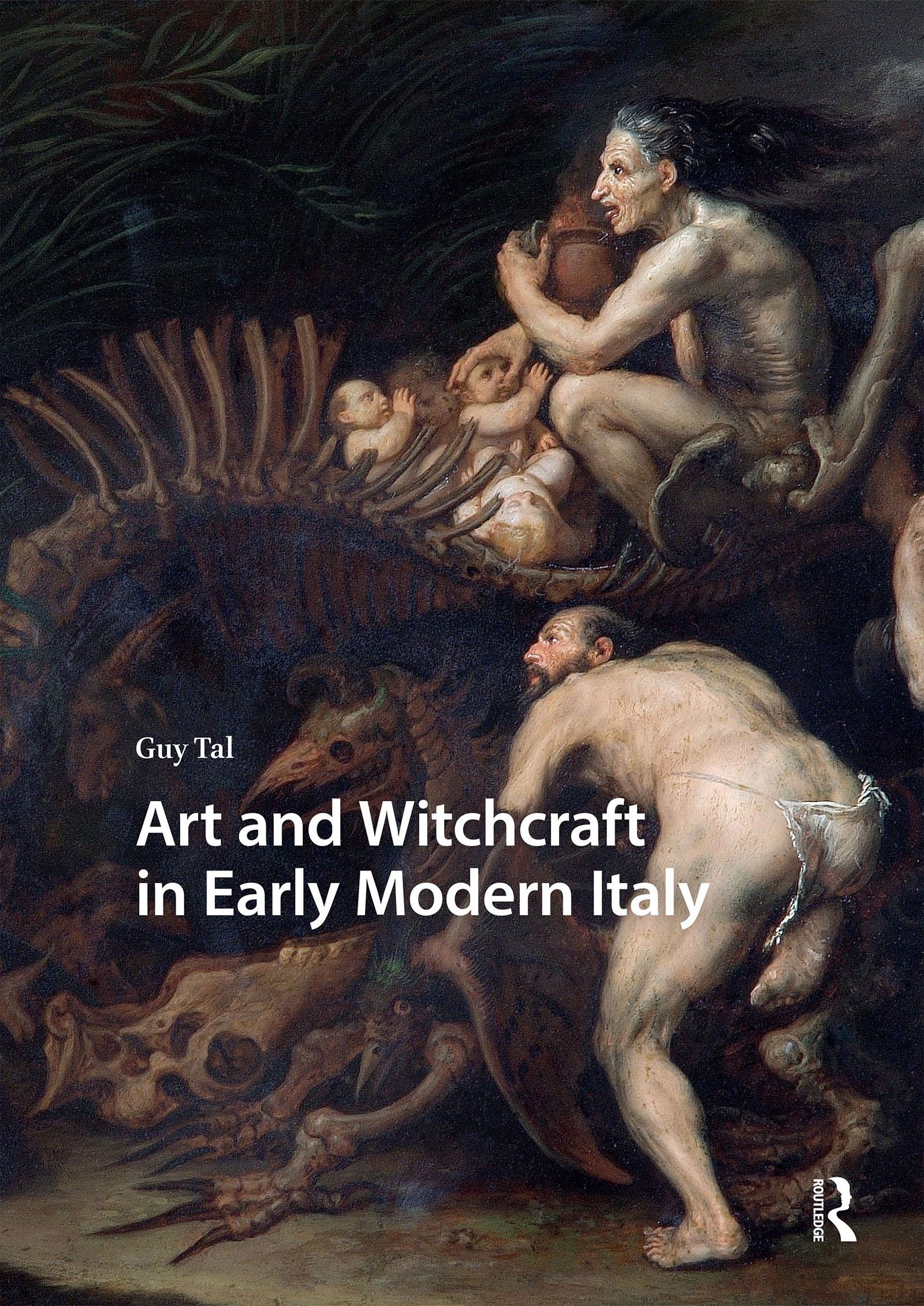
The figure of the witch is familiar from the work of early modern German, Dutch, and Flemish artists, but much less so in the work of their Italian counterparts. Art and Witchcraft in Early Modern Italy seeks to explore the ways in which representations of witchcraft emerged from and coincided with the main cultural currents and artistic climate of an epoch chiefly celebrated for its humanistic and rational approaches. Through an in-depth examination of a panoply of arresting paintings, engravings, and drawings—variously portraying a hag-ridden colossal phallus, a horror-stricken necromancer dodging the devil’s scrabbling claws, and a nocturnal procession presided over by an infanticidal crone—Guy Tal offers new ways of reading witchcraft images through and beyond conventional iconography. Artists such as Parmigianino, Alessandro Allori, Leonello Spada, and Angelo Caroselli effected visual commentaries on demonological notions that engaged their audience in a tantalizing experience of interpretation.
Betal nemt med kort, Klarna, Apple Pay eller Google Pay. Ikke tilfreds? Du har altid 14 dages fortrydelsesret. Læs mere i vores vilkår. Har du spørgsmål, så send os en mail på hello@memmo.org.
Memmo gør det nemmere at studere – uanset hvor du er i verden. Hos os samler du dine kursusbøger og smarte studieværktøjer ét sted: resuméer, quizzer, podcasts og flashcards. Og så er der Ted, din studieven, der svarer på alt, du undrer dig over. Over 50 000 studerende studerer allerede her – bygget til at hjælpe dig med at lære hurtigere og stresse mindre.