
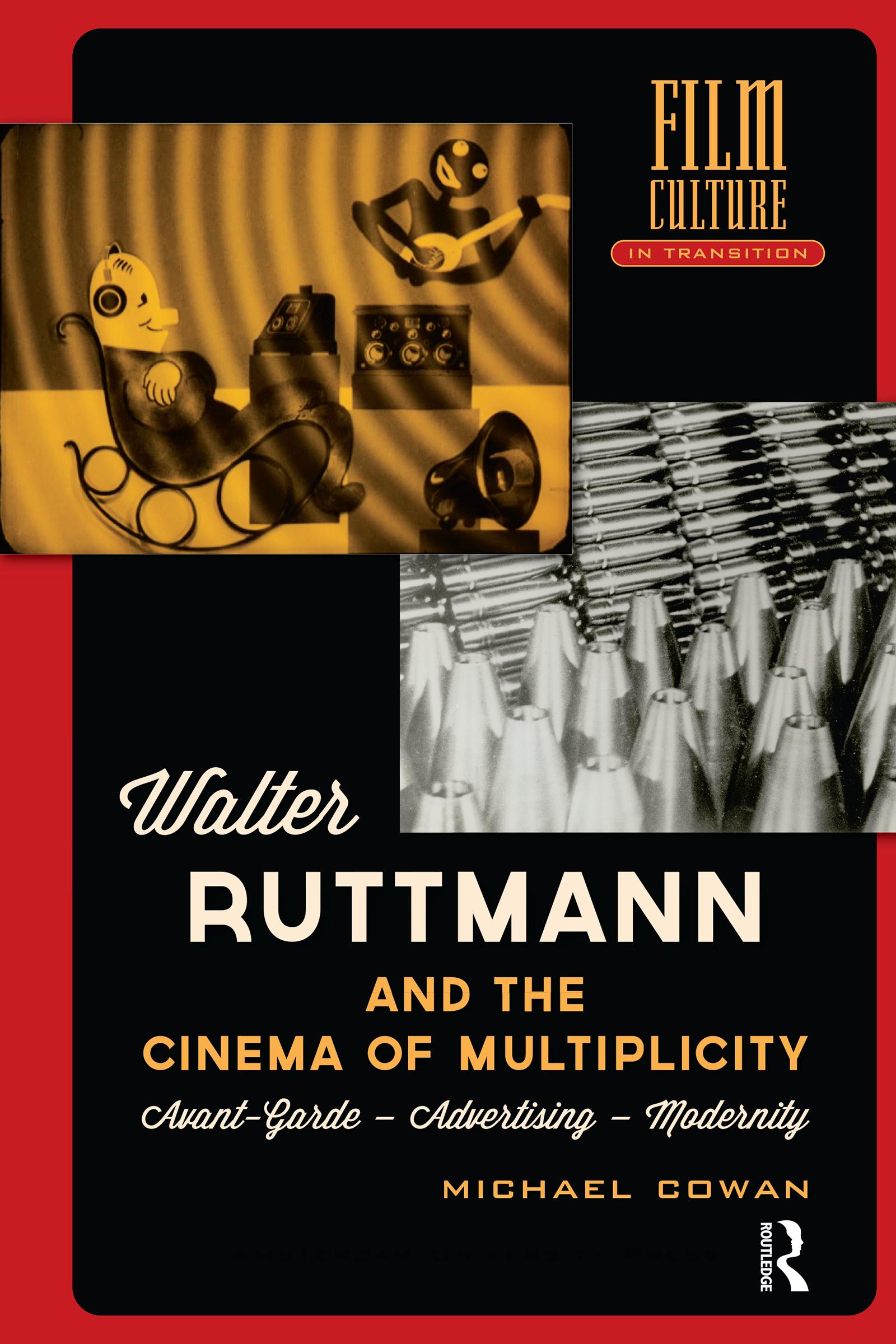
A key figure in early avant-garde cinema, Walter Ruttmann was a pioneer of experimental animation and the creative force behind one of the silent era's most celebrated montage films, Berlin: Symphony of a Great City. Yet even as he was making experimental films, Ruttmann had a day job. He worked regularly in advertising -and he would go on to make industrial films, medical films, and even Nazi propaganda films. Michael Cowan offers here the first study of Ruttmann in English, not only shedding light on his commercial, industrial, and propaganda work, but also rethinking his significance in light of recent transformations in film studies. Cowan brilliantly teases out the linkages between the avant-garde and industrial society in the early twentieth century, showing how Ruttmann's films incorporated and enacted strategies for managing the multiplicities of mass society. This book has won the Willy Haas Award 2014 for its outstanding contribution to the study of German cinema.
Betal nemt med kort, Klarna, Apple Pay eller Google Pay. Ikke tilfreds? Du har altid 14 dages fortrydelsesret. Læs mere i vores vilkår. Har du spørgsmål, så send os en mail på hello@memmo.org.
Memmo gør det nemmere at studere – uanset hvor du er i verden. Hos os samler du dine kursusbøger og smarte studieværktøjer ét sted: resuméer, quizzer, podcasts og flashcards. Og så er der Ted, din studieven, der svarer på alt, du undrer dig over. Over 50 000 studerende studerer allerede her – bygget til at hjælpe dig med at lære hurtigere og stresse mindre.