
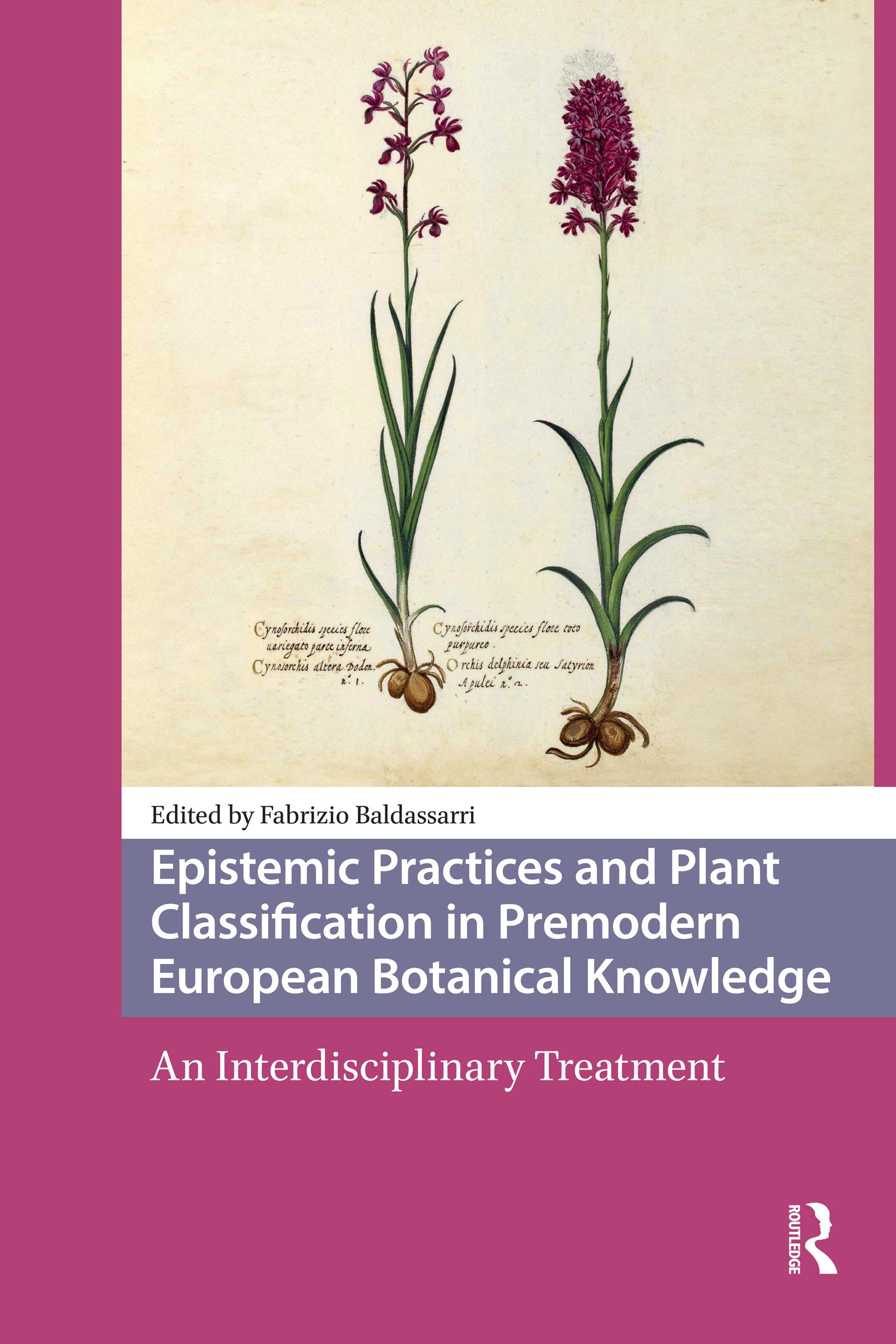
This volume aims to uncover the diverse approach to plants in the Renaissance and seventeenth century that paved the way for a definition of botany as a fully-fledged discipline. Its scope expands beyond the natural historical interest in collections and the fabrication of materia medica: moving from Varchi, Matthioli and Bauhin to Locke, Pinelli, and Linnaeus, among others, the contributions collected here connect practical and theoretical features, dealing with the challenges that characterized any involvement with plants. The authors focus on the linguistic shortcomings, problems in authenticating specimens, and efforts to establish new botanical geographies to favour trades, as well as the pursuits of new methodologies, artisanal technologies, and chymical experiments with plants. Botany thus emerges as a suitable discipline to disclose the complexities and challenges of early modern science in general.
Betal nemt med kort, Klarna, Apple Pay eller Google Pay. Ikke tilfreds? Du har altid 14 dages fortrydelsesret. Læs mere i vores vilkår. Har du spørgsmål, så send os en mail på hello@memmo.org.
Memmo gør det nemmere at studere – uanset hvor du er i verden. Hos os samler du dine kursusbøger og smarte studieværktøjer ét sted: resuméer, quizzer, podcasts og flashcards. Og så er der Ted, din studieven, der svarer på alt, du undrer dig over. Over 50 000 studerende studerer allerede her – bygget til at hjælpe dig med at lære hurtigere og stresse mindre.
Du kan måske også lide
Køb bogen0