
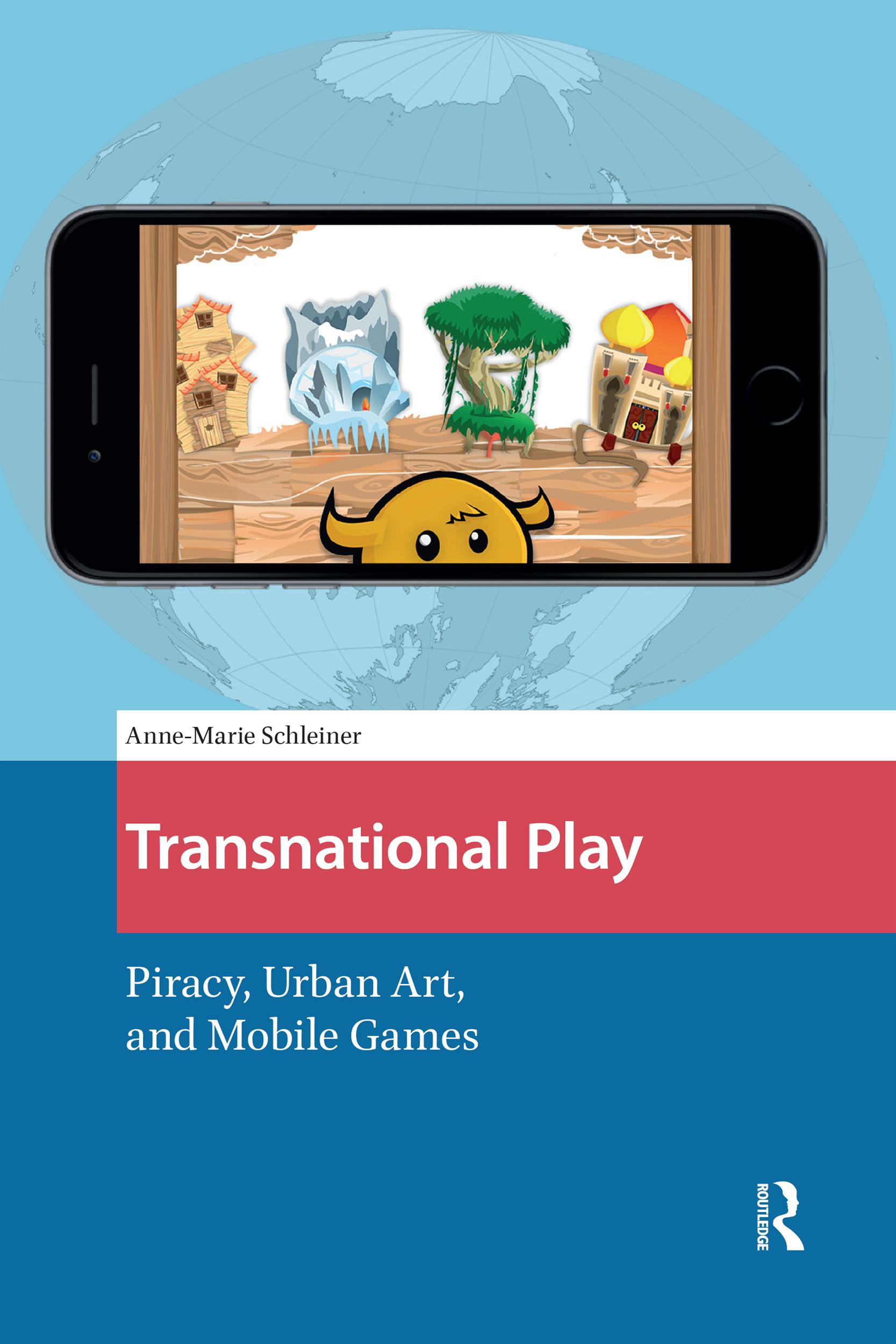
Transnational Play approaches gameplay as a set of practices and a global industry that includes diverse participation from players and developers located within the global South, in nations outside of the First World. Players experience play in game cafes, through casual games for regional and global causes like environmentalism, through piracy and cheats, via cultural localization, on their mobile phones, and through urban playful art in Latin America. This book offers a reorientation of perspective on the global developers who make games, as well as the players who consume games, while still acknowledging geographically distributed socioeconomic, racial, gender, and other inequities. Over the course of the inquiry, which includes a chapter dedicated to the cartography of the mobile augmented reality game Pokémon Go, the author develops a theoretical line of argument critically informed by gender studies and intersectionality, postcolonialism, geopolitics, and game studies, problematizing play as a diverse and contested transnational domain.
Betal nemt med kort, Klarna, Apple Pay eller Google Pay. Ikke tilfreds? Du har altid 14 dages fortrydelsesret. Læs mere i vores vilkår. Har du spørgsmål, så send os en mail på hello@memmo.org.
Memmo gør det nemmere at studere – uanset hvor du er i verden. Hos os samler du dine kursusbøger og smarte studieværktøjer ét sted: resuméer, quizzer, podcasts og flashcards. Og så er der Ted, din studieven, der svarer på alt, du undrer dig over. Over 50 000 studerende studerer allerede her – bygget til at hjælpe dig med at lære hurtigere og stresse mindre.