
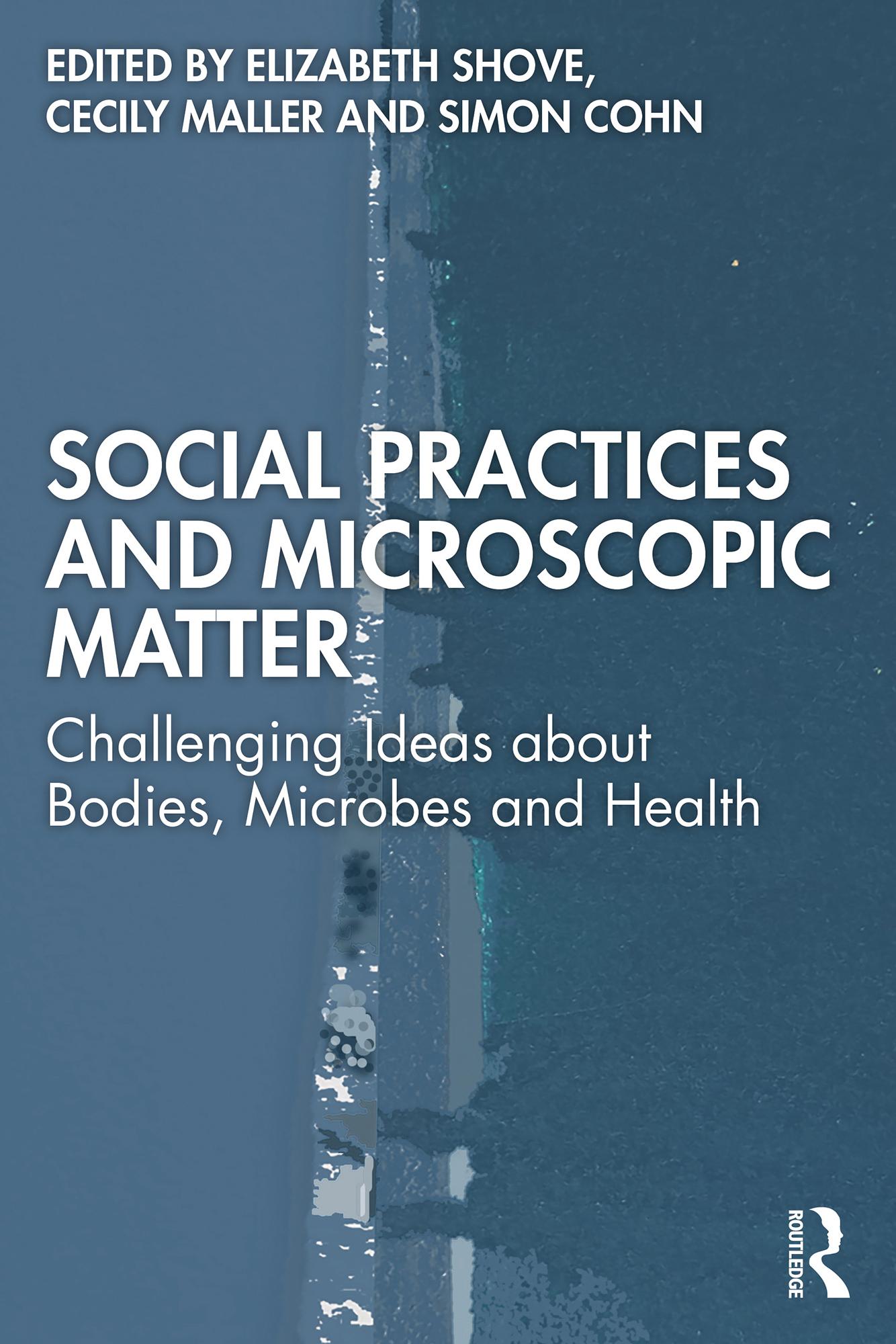
It is widely recognised that biological, microbial and social processes constitute each other, but there is much less agreement about what this means, or about how this interweaving should be conceptualised and studied. Whilst recognising that there has been huge growth in more-than-human approaches and in contributions from science and technology studies and feminist scholarship, this volume advocates that more ideas are needed if we are to address global threats, including the impacts of climate change, growing antimicrobial resistance, pandemics, the geographies and distribution of zoonoses and other large biosocial phenomena.
Contributors from disciplines including anthropology, geography, sociology and public health bring these resources to bear on fundamental questions about scale and transmission, the place of human bodies in social and biological theory, and concepts of health, risk and disease. Informed by real-life examples relating to food, insects, water and air, the spread of disease and antimicrobial resistance, the result is an agenda-setting book positioned at the intersection of research and policy.
It will appeal to scholars and academics with interest in social theory, microbes and public health, as well as academics and advanced students of geography, anthropology, sociology, medical sociology, social studies of science and the history of health.
Betal nemt med kort, Klarna, Apple Pay eller Google Pay. Ikke tilfreds? Du har altid 14 dages fortrydelsesret. Læs mere i vores vilkår. Har du spørgsmål, så send os en mail på hello@memmo.org.
Memmo gør det nemmere at studere – uanset hvor du er i verden. Hos os samler du dine kursusbøger og smarte studieværktøjer ét sted: resuméer, quizzer, podcasts og flashcards. Og så er der Ted, din studieven, der svarer på alt, du undrer dig over. Over 50 000 studerende studerer allerede her – bygget til at hjælpe dig med at lære hurtigere og stresse mindre.