
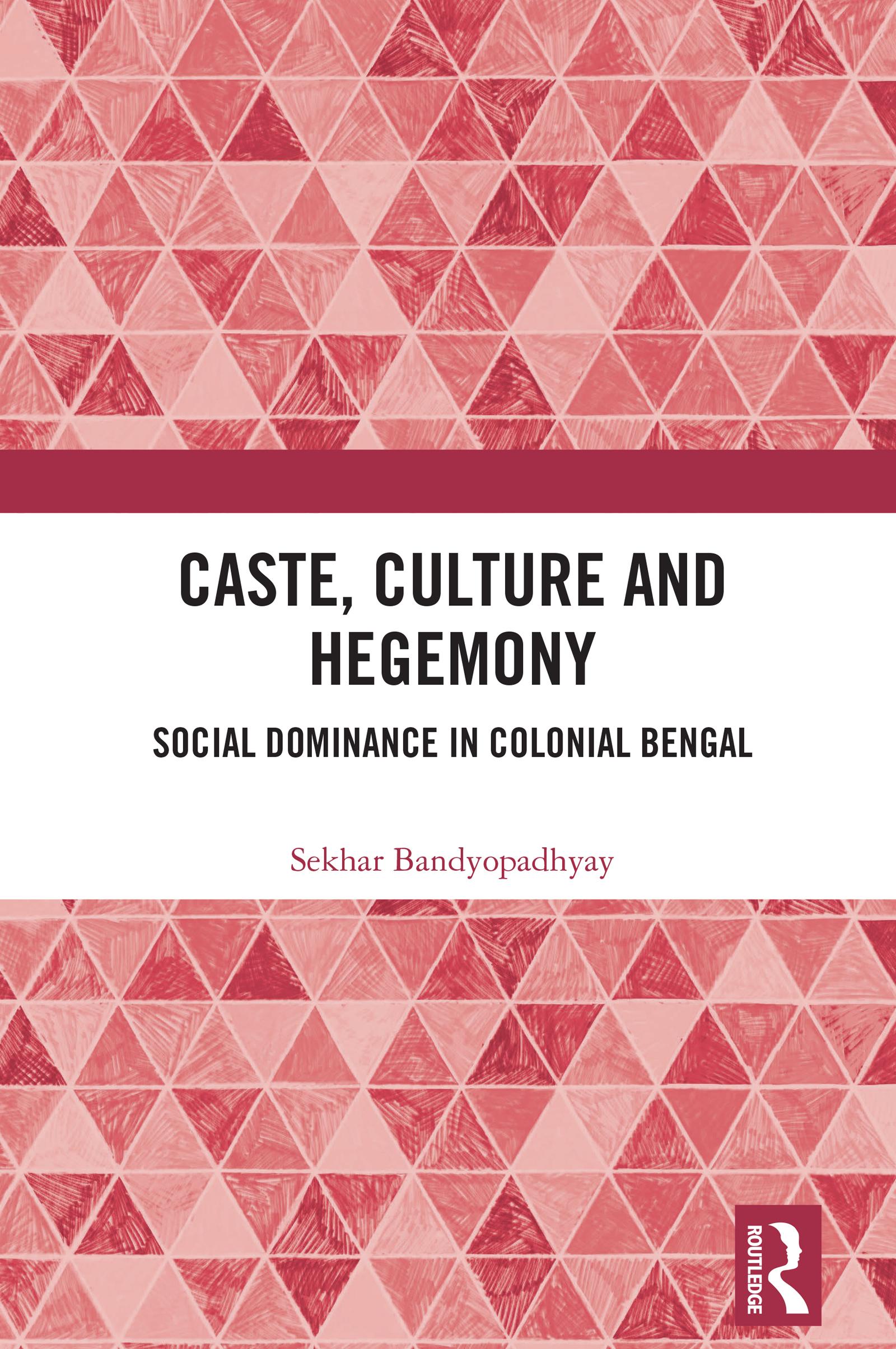
This book looks at how the caste system has withstood resistance from below and survived the challenge of colonial modernity. By using empirical data from Bengal, it explores how Hindu caste society has sought to maintain its cultural hegemony and structural cohesion by frustrating reformist endeavours, by co-opting challenges by the Dalit and by marginalizing internal dissidence during the colonial period. It draws on case studies of early cultural encounters between 'high' Brahmanical tradition and the more egalitarian 'popular' religious cults of the lower castes. It also examines the Hindu 'Partition' campaign, which tended to appropriate dalit autonomous politics and made Hinduism the foundation of an emergent Indian national identity.
The book will be of use to scholars and researchers of history, political science, religion, minority studies, gender studies and South Asian studies.
Betal nemt med kort, Klarna, Apple Pay eller Google Pay. Ikke tilfreds? Du har altid 14 dages fortrydelsesret. Læs mere i vores vilkår. Har du spørgsmål, så send os en mail på hello@memmo.org.
Memmo gør det nemmere at studere – uanset hvor du er i verden. Hos os samler du dine kursusbøger og smarte studieværktøjer ét sted: resuméer, quizzer, podcasts og flashcards. Og så er der Ted, din studieven, der svarer på alt, du undrer dig over. Over 50 000 studerende studerer allerede her – bygget til at hjælpe dig med at lære hurtigere og stresse mindre.