
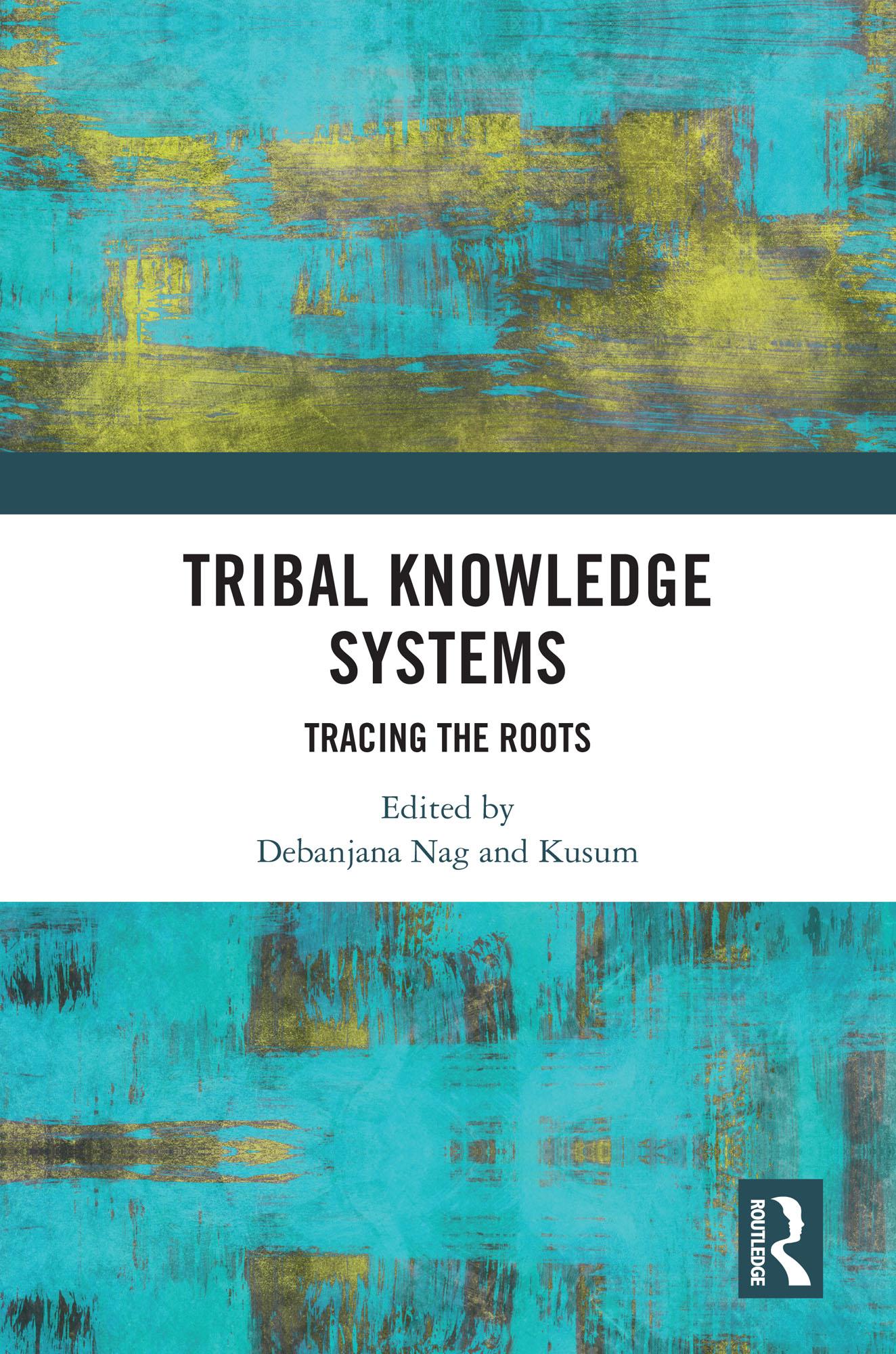
This book delineates tribal knowledge systems and emphasizes their multidisciplinary nature. It describes their different components such as the science behind tribal art and architecture, medicinal and healing systems, agricultural and nutritional aspects, and ways of human-nature coherence. It highlights the importance of preservation and promotion of these knowledge systems to create a sustainable world.
The book explains the structure and functions of tribal knowledge systems that have the potential to create a balance between nature and development. It describes the various approaches to traditional lifestyles and the conversion of those approaches into modern science and technology-based theories. It also outlines the policy framework developed by the government and the suite of legal instruments for preserving and promoting these knowledge systems in more scientific and applicable ways.
This book will be useful to the students, researchers, and academicians working on tribal studies, indigenous knowledge systems, anthropology, sociology, tribal studies, development studies, cultural studies, and human/cultural and social geography.
Betal nemt med kort, Klarna, Apple Pay eller Google Pay. Ikke tilfreds? Du har altid 14 dages fortrydelsesret. Læs mere i vores vilkår. Har du spørgsmål, så send os en mail på hello@memmo.org.
Memmo gør det nemmere at studere – uanset hvor du er i verden. Hos os samler du dine kursusbøger og smarte studieværktøjer ét sted: resuméer, quizzer, podcasts og flashcards. Og så er der Ted, din studieven, der svarer på alt, du undrer dig over. Over 50 000 studerende studerer allerede her – bygget til at hjælpe dig med at lære hurtigere og stresse mindre.