
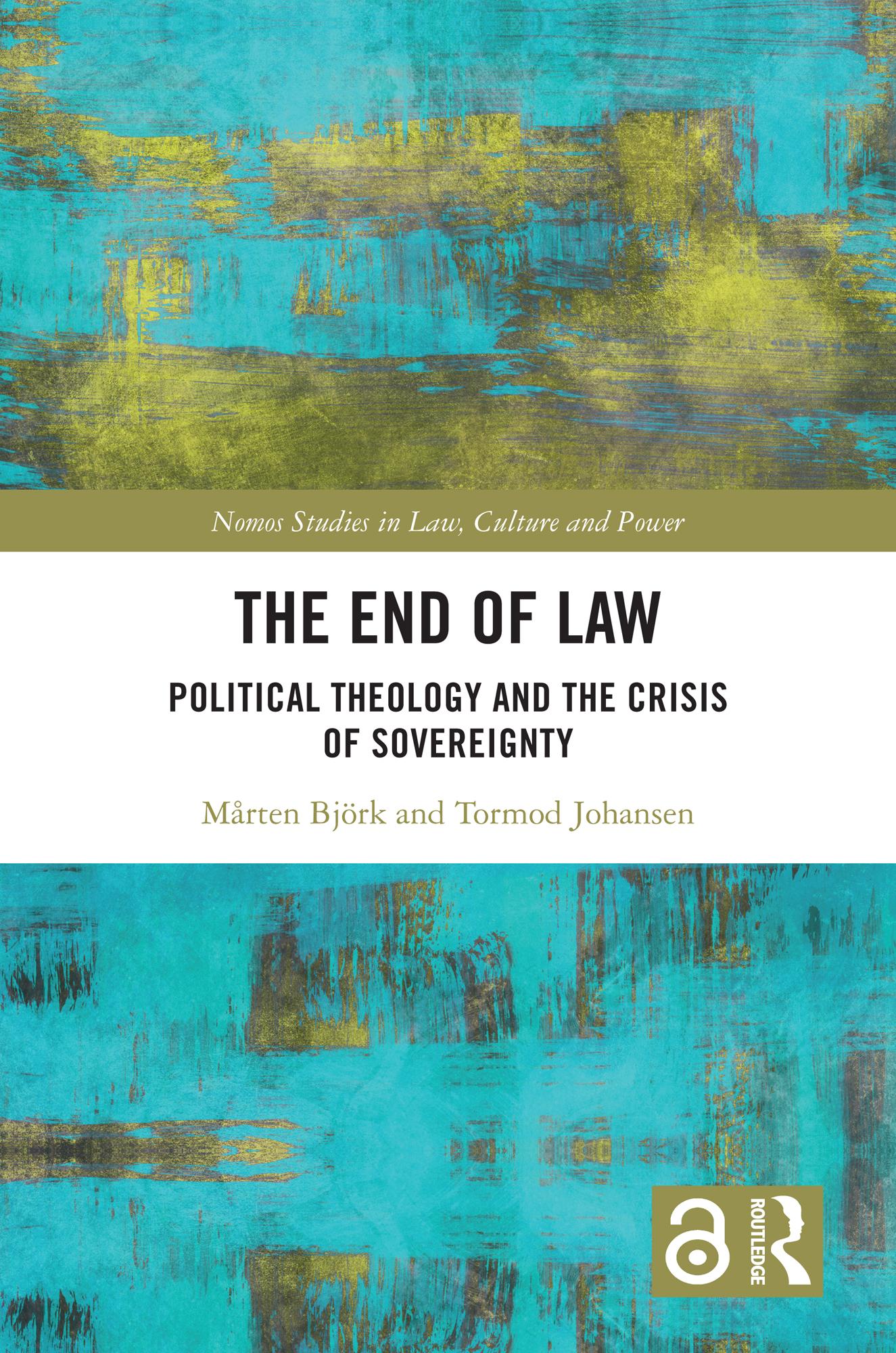
This book examines how Gustav Radbruch, H. L. A. Hart, and Ernst-Wolfgang Böckenförde each addressed the question of the end of law, its function, and its normative foundation within the context of the modern legal and political order. Through a politico-theological reading, it highlights the tension between legal validity and moral legitimacy, as well as the extent to which law can maintain public order without compromising its own claim to justice.
The analysis of Radbruch, Hart, and Böckenförde sheds light on how valid law can become unjust, demanding actions that may conflict with individual judgment or morality. It raises questions about natural law, the relationship between morality and law, and law’s ultimate purpose, suggesting that law and politics represent, at best, a relative good. It addresses the broader crisis of legal authority and state sovereignty, the expanding reach of state power, and whether law should instruct, command, or ultimately point beyond itself.
The End of Law is of interest to scholars in legal theory, political theology, and the philosophy of law.
The Open Access version of this book, available at http://www.taylorfrancis.com, has been made available under a Creative Commons Attribution (CC BY) 4.0 license
Betal nemt med kort, Klarna, Apple Pay eller Google Pay. Ikke tilfreds? Du har altid 14 dages fortrydelsesret. Læs mere i vores vilkår. Har du spørgsmål, så send os en mail på hello@memmo.org.
Memmo gør det nemmere at studere – uanset hvor du er i verden. Hos os samler du dine kursusbøger og smarte studieværktøjer ét sted: resuméer, quizzer, podcasts og flashcards. Og så er der Ted, din studieven, der svarer på alt, du undrer dig over. Over 50 000 studerende studerer allerede her – bygget til at hjælpe dig med at lære hurtigere og stresse mindre.