
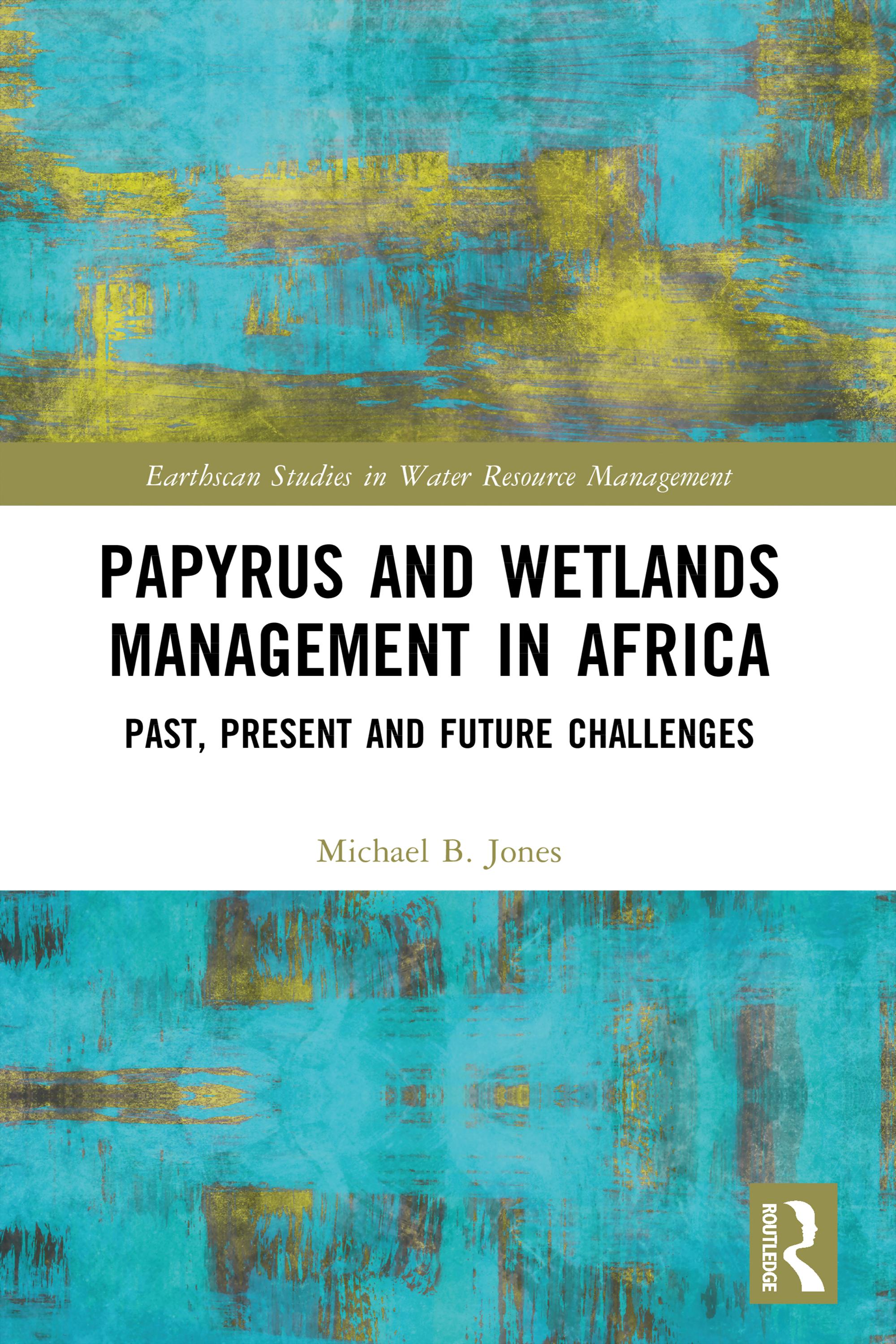
This book provides a comprehensive overview of the influence that the papyrus plant has had on African wetlands (with a particular focus on the Nile) in the past, and how this may change with the oncoming threats of climate change.
The papyrus plant is one of the fastest growing in the world and it forms the dominant vegetation in almost all sub-Saharan wetlands, and particularly the Nile Basin wetlands. Unlike other books on rivers and wetlands, this book focuses on this dominant and defining plant which plays such an important role in determining the structure and functioning of the Nile and other African wetland systems. It examines papyrus in the past, in the present and in the future, asking where and when did it evolve, what features have made it so widespread, productive and useful to humans, and how it has influenced the ecology of African wetlands. With over 250 million people relying on the water of the Nile to survive, the book examines the intimate relationship between, papyrus, people and the river. It concludes by discussing the current challenges to the sustainability of that relationship and whether this relationship can withstand the threat of changing climate and human demands as populations increase.
This book will be of great interest to students and scholars of wetland management, ecosystem services, water resource management, biogeography, sustainable development and African studies.
Betal nemt med kort, Klarna, Apple Pay eller Google Pay. Ikke tilfreds? Du har altid 14 dages fortrydelsesret. Læs mere i vores vilkår. Har du spørgsmål, så send os en mail på hello@memmo.org.
Memmo gør det nemmere at studere – uanset hvor du er i verden. Hos os samler du dine kursusbøger og smarte studieværktøjer ét sted: resuméer, quizzer, podcasts og flashcards. Og så er der Ted, din studieven, der svarer på alt, du undrer dig over. Over 50 000 studerende studerer allerede her – bygget til at hjælpe dig med at lære hurtigere og stresse mindre.