
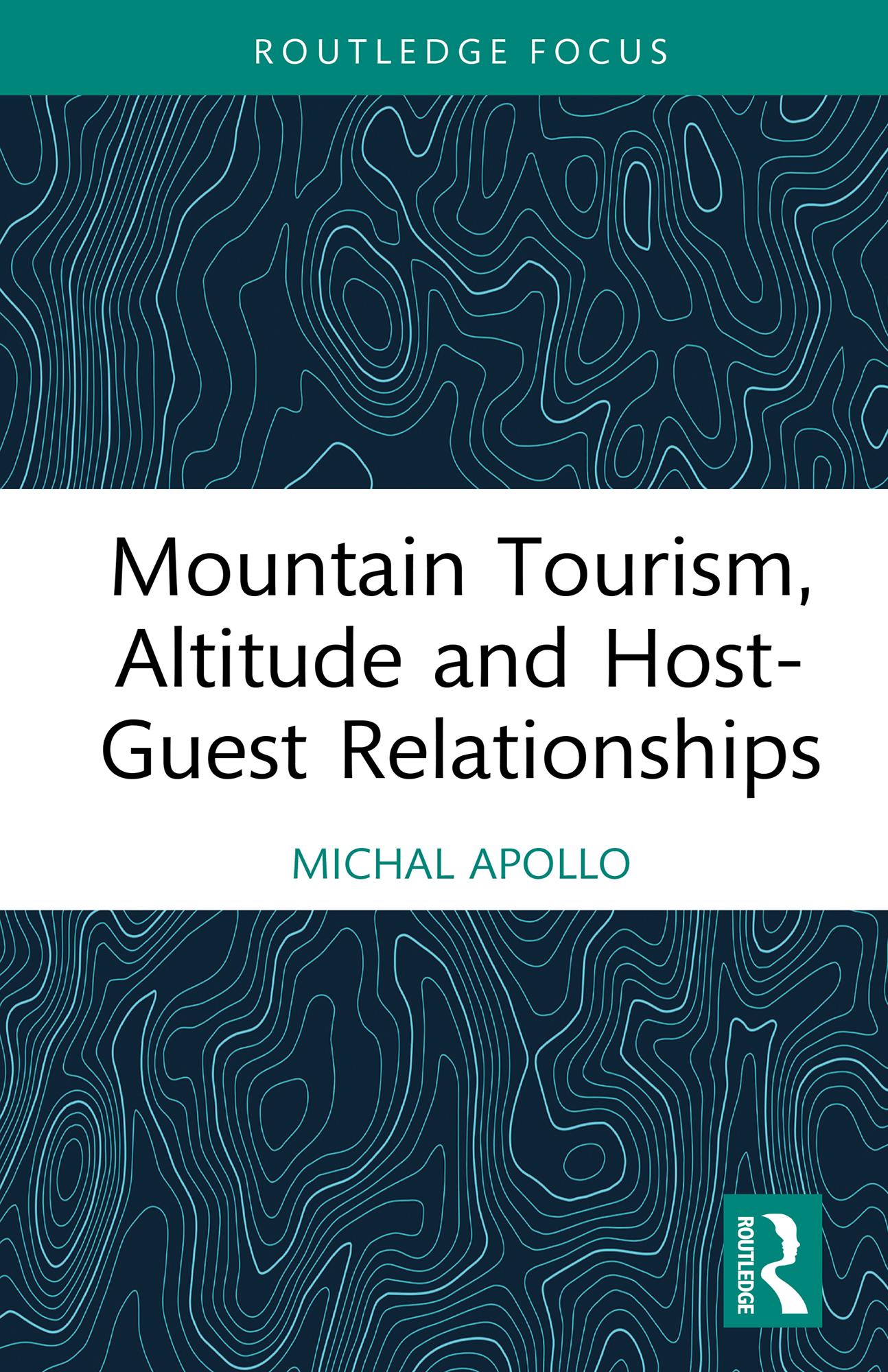
This insightful volume critically explores whether higher altitude of habitation affects host-guest exchanges in mountaineering tourism, in an effort to better understand and manage vulnerable destinations in a sustainable manner.
The book is based on empirical research conducted in the Mount Everest area in Nepal, part of the Sagarmatha National Park, which is a popular destination among tourists engaging in high-altitude mountaineering (subdivided into hiking, trekking and mountain climbing). By doing so it offers essential knowledge of mountaineering tourism whilst detailing recent developments linked to the diversification, commodification and commercialisation of mountaineering activity. This is discussed alongside the potentially positive impacts for marginalised high mountain communities.
This book is essential reading for students, academics, industry representatives and policymakers with an interest in adventure tourism and mountaineering.
Betal nemt med kort, Klarna, Apple Pay eller Google Pay. Ikke tilfreds? Du har altid 14 dages fortrydelsesret. Læs mere i vores vilkår. Har du spørgsmål, så send os en mail på hello@memmo.org.
Memmo gør det nemmere at studere – uanset hvor du er i verden. Hos os samler du dine kursusbøger og smarte studieværktøjer ét sted: resuméer, quizzer, podcasts og flashcards. Og så er der Ted, din studieven, der svarer på alt, du undrer dig over. Over 50 000 studerende studerer allerede her – bygget til at hjælpe dig med at lære hurtigere og stresse mindre.