
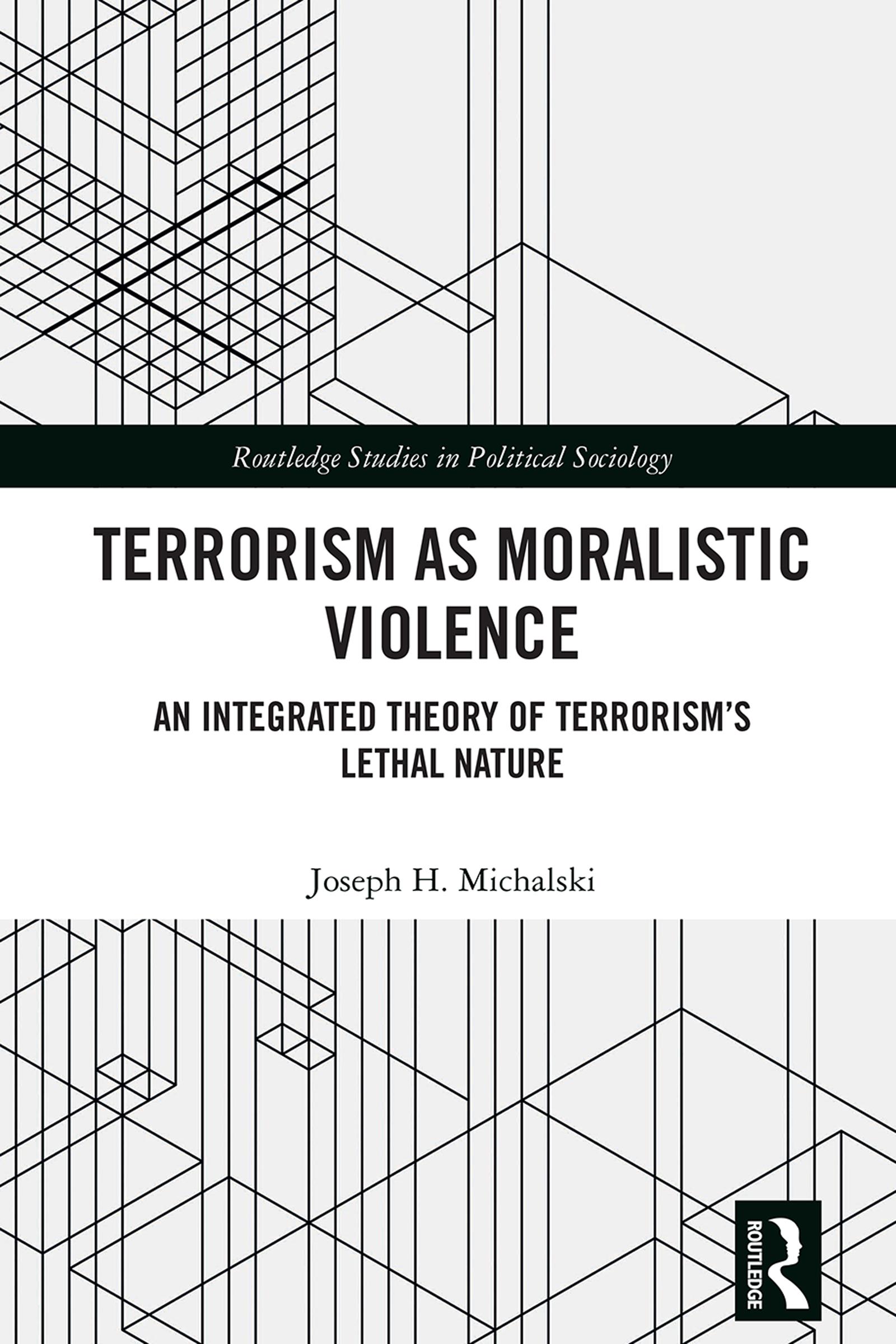
This book develops and applies the theory of lethal moralism to explain the different types and growth of terrorism over the last half-century, from 1970 to 2020.
Drawing on data from the Global Terrorism Database, supplemented with original research differentiating groups based on their ideological orientations, it delves into the social and cultural forces that influence those who engage in terrorism, including the dynamic processes of "othering" that produce the social polarization crucial for understanding why some groups resort to lethal violence to handle their grievances. It systematically applies the theory of lethal moralism to explain the main types of terrorism rooted in different ideological frameworks, including left-wing terrorism, nationalist and separatist movements, religious terrorism (including a separate chapter on radical Islam), and right-wing extremism and hate groups.
As a theoretically informed study of the main varieties of terrorism and the evolution of terrorism in the digital age, Terrorism as Moralistic Violence will appeal to scholars of sociology, criminology, social theory, and politics with interests in political violence and terrorist movements.
Betal nemt med kort, Klarna, Apple Pay eller Google Pay. Ikke tilfreds? Du har altid 14 dages fortrydelsesret. Læs mere i vores vilkår. Har du spørgsmål, så send os en mail på hello@memmo.org.
Memmo gør det nemmere at studere – uanset hvor du er i verden. Hos os samler du dine kursusbøger og smarte studieværktøjer ét sted: resuméer, quizzer, podcasts og flashcards. Og så er der Ted, din studieven, der svarer på alt, du undrer dig over. Over 50 000 studerende studerer allerede her – bygget til at hjælpe dig med at lære hurtigere og stresse mindre.