
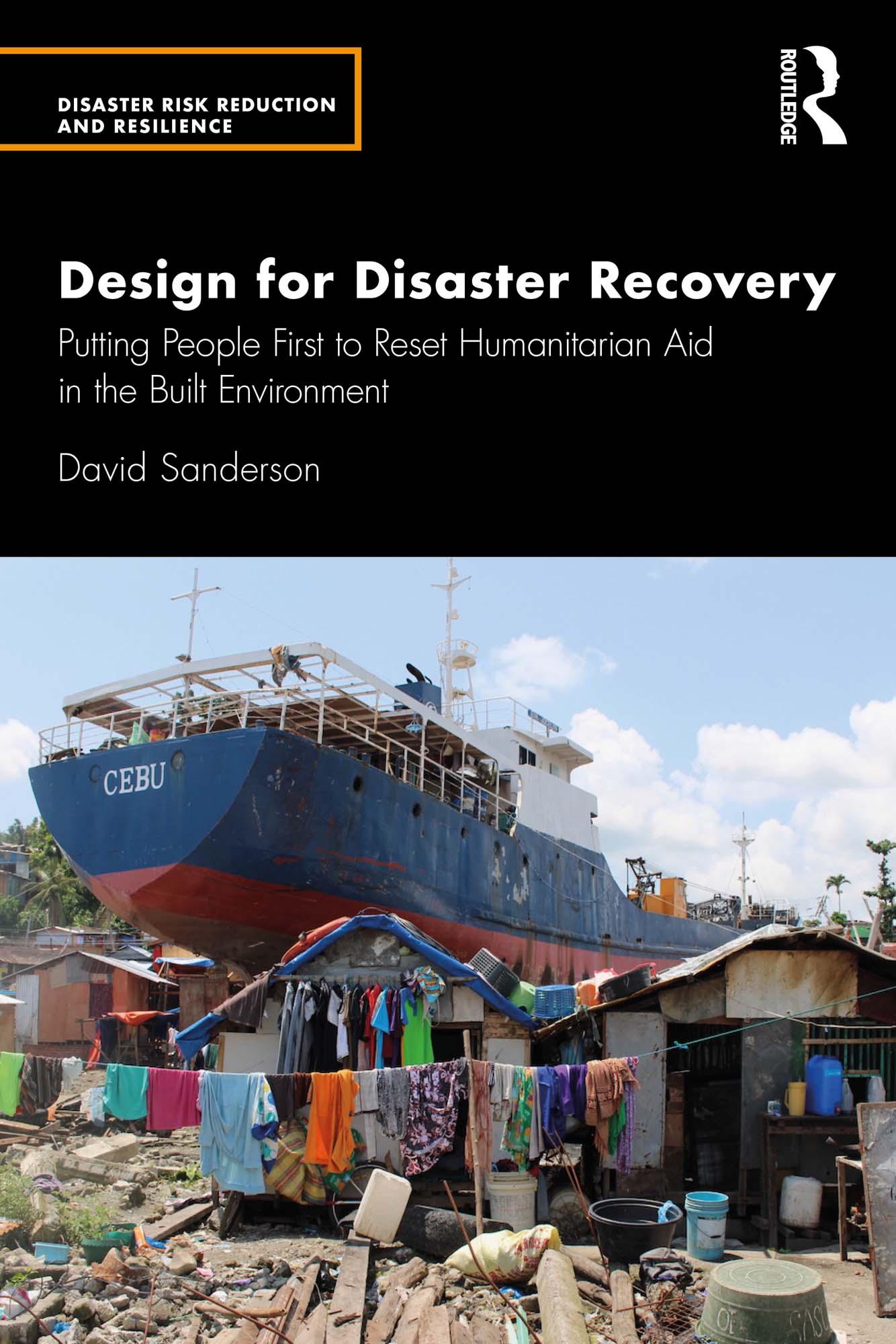
At a time of escalating urban disasters and sharply reduced aid budgets, humanitarian aid, long held in need of reform, has no choice but to reset.
This book argues that humanitarian aid must accomplish this reset by prioritising people’s agency and localising responses. This book provides lessons learned from leading practitioners working in urban development who dissented from established top-down practices to forge better, people-centred approaches. These lessons are compared with the wicked problem of post-disaster shelter provision, reviewing good approaches that work, and some bad ones that don’t. This book ends by proposing three ways for aid to let go, through supporting and trusting people to do the right thing.
This book ultimately seeks to reinforce that engaging in processes is vital for effective disaster recovery programmes. That means putting first those caught up in disaster and supporting local organisations who are best placed to provide the right support. It will be crucial reading for anyone working in humanitarian aid, especially planners, architects, engineers and community development practitioners.
Betal nemt med kort, Klarna, Apple Pay eller Google Pay. Ikke tilfreds? Du har altid 14 dages fortrydelsesret. Læs mere i vores vilkår. Har du spørgsmål, så send os en mail på hello@memmo.org.
Memmo gør det nemmere at studere – uanset hvor du er i verden. Hos os samler du dine kursusbøger og smarte studieværktøjer ét sted: resuméer, quizzer, podcasts og flashcards. Og så er der Ted, din studieven, der svarer på alt, du undrer dig over. Over 50 000 studerende studerer allerede her – bygget til at hjælpe dig med at lære hurtigere og stresse mindre.