
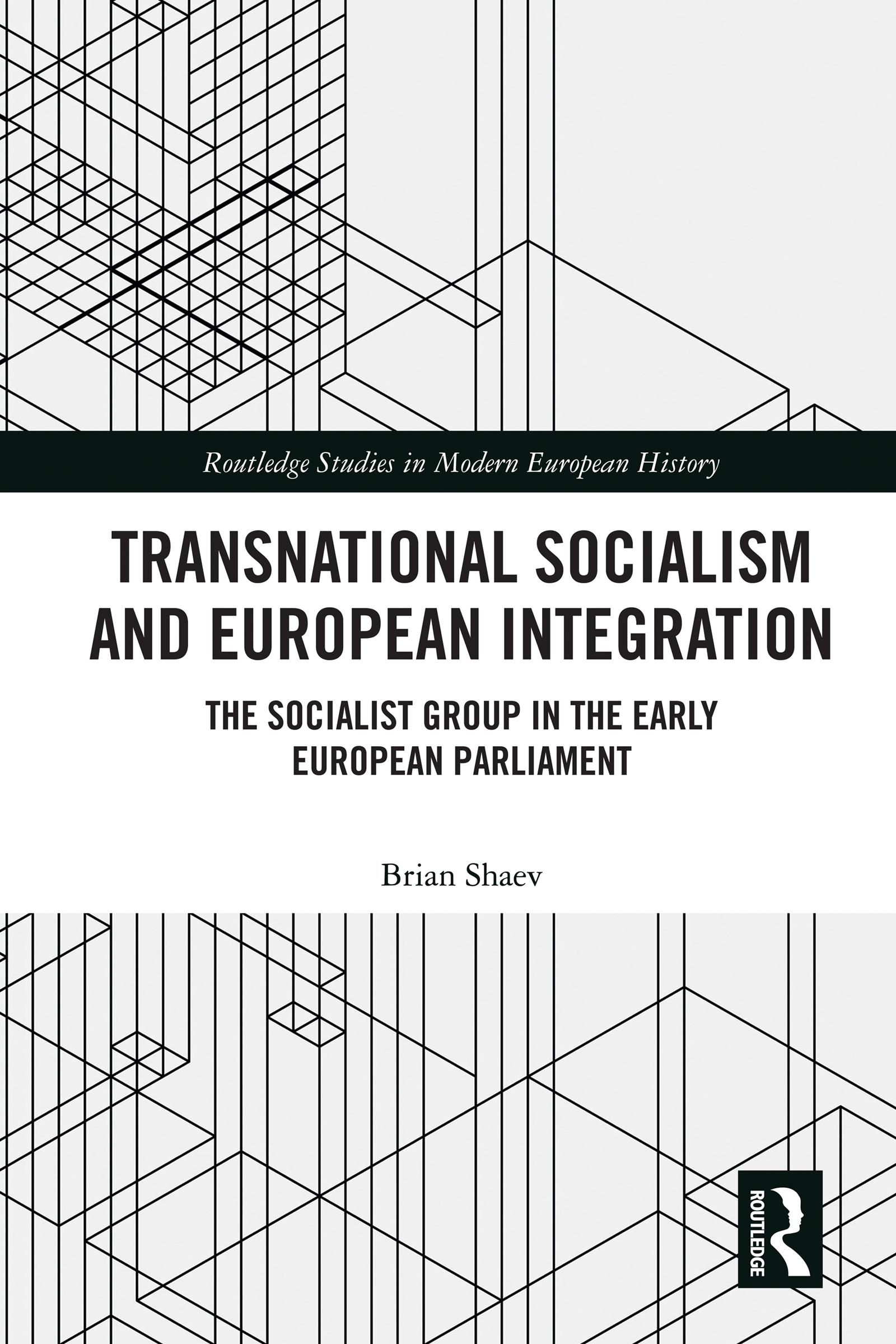
This history of the Socialist Group in the early European Parliament covers its role in six policy areas that formed the core of postwar European integration: foreign policy, democracy and institutions, social policy, agriculture, migration and free movement, and cartel and competition policy.
By the early 1960s, Socialist Group members had laboriously constructed an alternative path for European unity intended to reconcile trade liberalization with macroeconomic programming and social welfare. As their ambitions grew, they clashed with other party groups, turning the European Parliament into a venue for political battles. However, disappointments, generational turnover and European enlargement delivered mighty blows to the group’s culture of transnational cooperation in the late 1960s–1970s. For readers interested in why many socialists supported European integration after WWII—the influence they had and how they grappled with the policy side of European unity—this book presents a penetratingly deep glimpse into the Socialist Group’s concrete vision for a Socialist Europe in the postwar era.
This volume will appeal to scholars and students interested in social democracy, European Studies and European Union Studies, parliamentary democracy, and modern European political and economic history.
Betal nemt med kort, Klarna, Apple Pay eller Google Pay. Ikke tilfreds? Du har altid 14 dages fortrydelsesret. Læs mere i vores vilkår. Har du spørgsmål, så send os en mail på hello@memmo.org.
Memmo gør det nemmere at studere – uanset hvor du er i verden. Hos os samler du dine kursusbøger og smarte studieværktøjer ét sted: resuméer, quizzer, podcasts og flashcards. Og så er der Ted, din studieven, der svarer på alt, du undrer dig over. Over 50 000 studerende studerer allerede her – bygget til at hjælpe dig med at lære hurtigere og stresse mindre.