
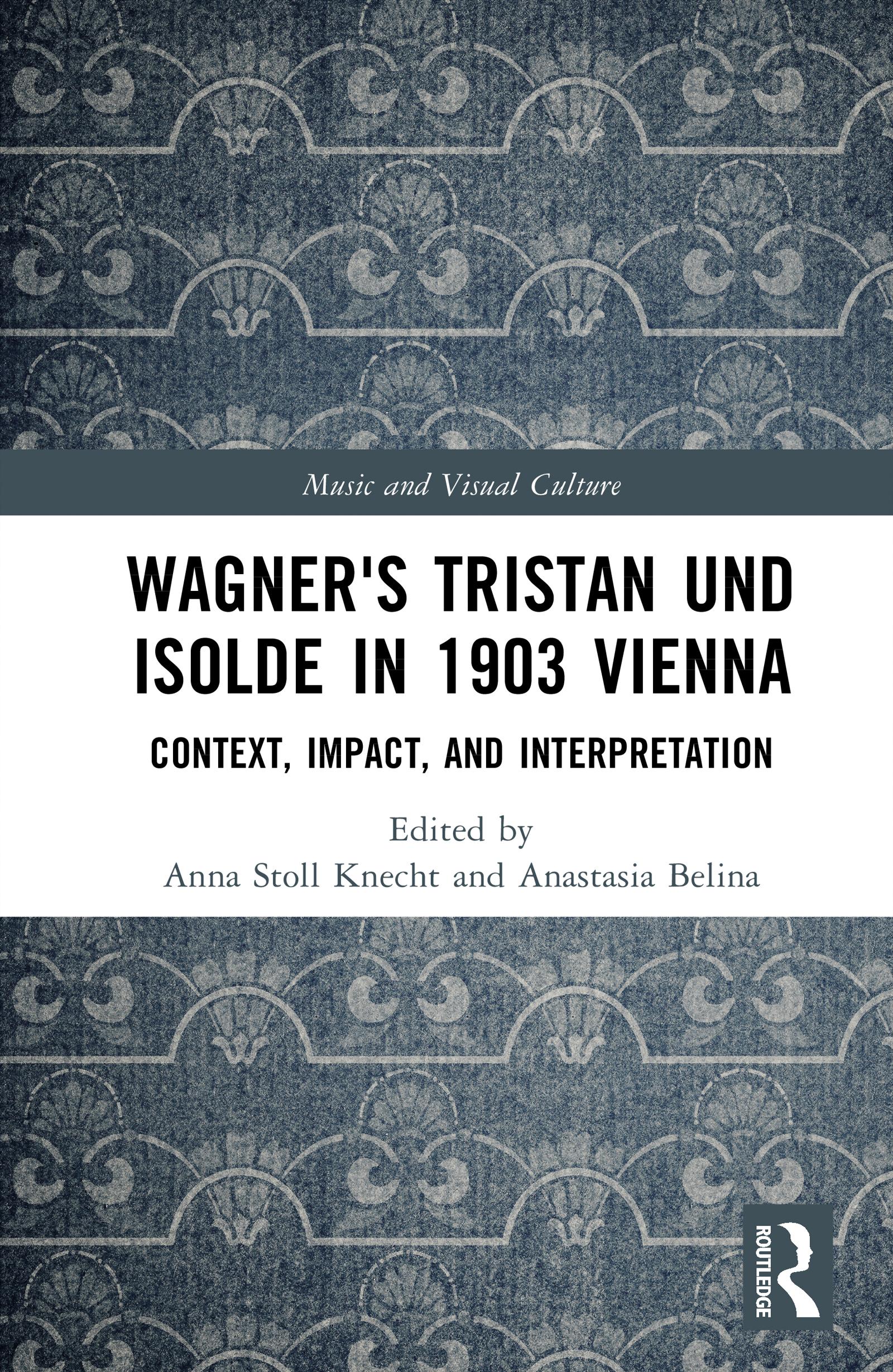
This volume uses the historic staging and legacy of the 1903 production of Richard Wagner's Tristan und Isolde, directed and conducted by Gustav Mahler, to explore a wide range of interdisciplinary issues in the history of the opera, performance, and the reception and interpretation of Wagner's work.
The production marked a turning point in twentieth-century opera, as Mahler and the designer Alfred Roller broke with nineteenth-century naturalistic traditions and used new technologies to transform the aural and visual experience of opera. With chapters contributed by scholars from musicology, art history, theatre studies, and other disciplines, this book provides a uniquely multifaceted perspective on Wagner's opera in the historical setting of the early twentieth century. Chapters in the first part address specific aspects of the 1903 production, including staging, lighting, and performance practice, while the second part sets the production in wider political, artistic, and literary context. Together, they show how the visual and musical elements of the staging interacted to express new artistic philosophies. Enriching our understanding of Wagner, stage history, and the cultural ferment emerging from fin-de-siècle Vienna, this book will be of interest to researchers of music, theatre, and performance studies, and art and cultural history.
Betal nemt med kort, Klarna, Apple Pay eller Google Pay. Ikke tilfreds? Du har altid 14 dages fortrydelsesret. Læs mere i vores vilkår. Har du spørgsmål, så send os en mail på hello@memmo.org.
Memmo gør det nemmere at studere – uanset hvor du er i verden. Hos os samler du dine kursusbøger og smarte studieværktøjer ét sted: resuméer, quizzer, podcasts og flashcards. Og så er der Ted, din studieven, der svarer på alt, du undrer dig over. Over 50 000 studerende studerer allerede her – bygget til at hjælpe dig med at lære hurtigere og stresse mindre.