
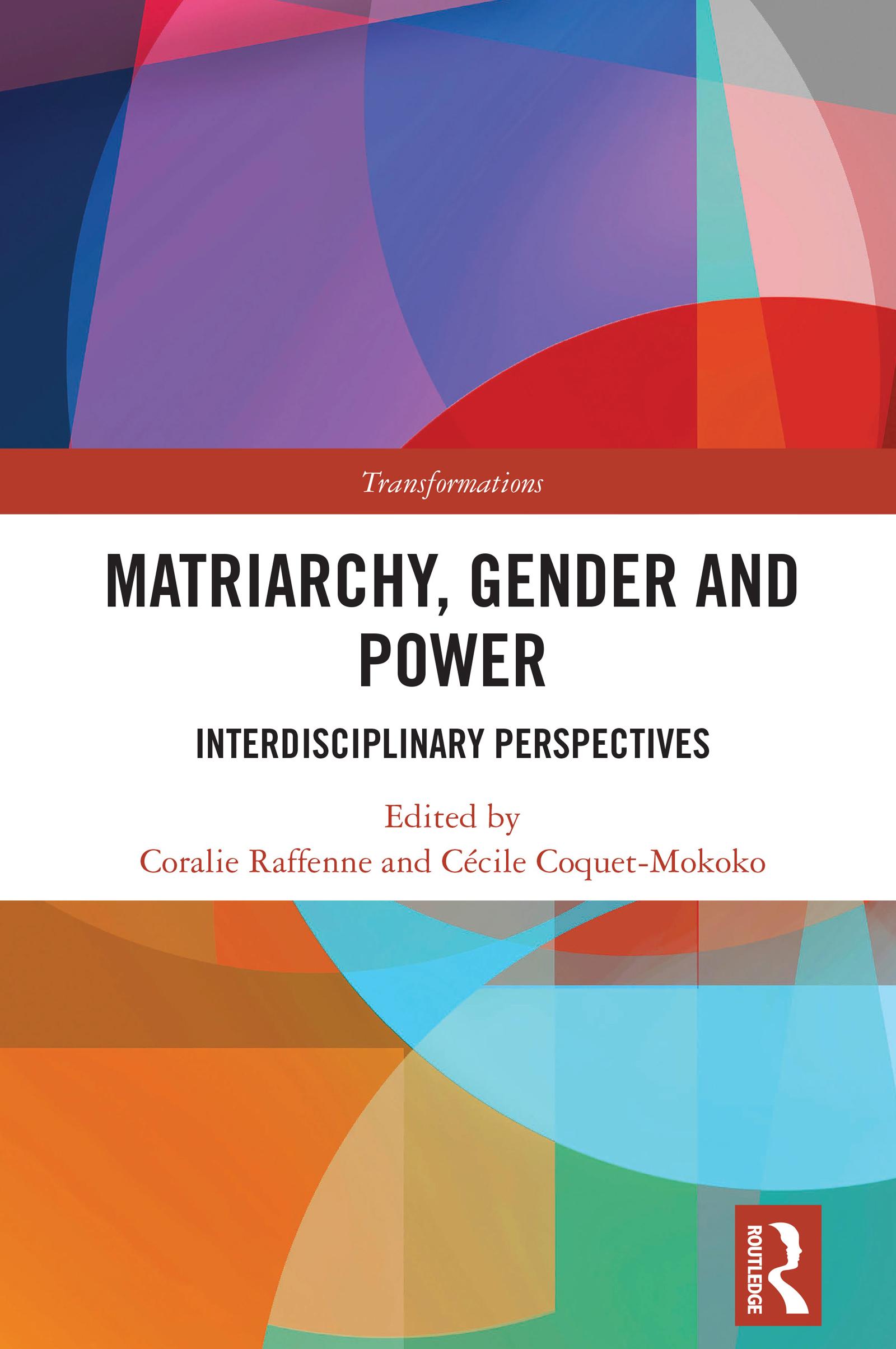
This book explores the conceptualizations of female power through the notion of matriarchy in a variety of historical, cultural and epistemological contexts.
Matriarchy has been both marginalized and even derided as an object of study, albeit consistently referred to as a symbol of female power. The lack of serious engagement with matriarchy has stifled critical inquiry into alternative ways of organizing gendered power, and this gap is what this book seeks to address. Re-examining matriarchy from a scientific and interdisciplinary perspective, this book aims to move beyond the simplistic binaries of male versus female power through diverse inquiries into the concept of matriarchy that conceptualizes power not as domination but as interconnection, nurturing and community-oriented leadership. Through this approach, the contributions examine the emancipatory possibilities of matriarchy, while also acknowledging the limitations and challenges that come with it.
An interdisciplinary approach having international scope, this work will appeal to postgraduate students and academic researchers of sociology, anthropology, archeology, history, art history, Asian studies, American studies, African American and Africana studies, women’s studies, gender studies and law.
Betal nemt med kort, Klarna, Apple Pay eller Google Pay. Ikke tilfreds? Du har altid 14 dages fortrydelsesret. Læs mere i vores vilkår. Har du spørgsmål, så send os en mail på hello@memmo.org.
Memmo gør det nemmere at studere – uanset hvor du er i verden. Hos os samler du dine kursusbøger og smarte studieværktøjer ét sted: resuméer, quizzer, podcasts og flashcards. Og så er der Ted, din studieven, der svarer på alt, du undrer dig over. Over 50 000 studerende studerer allerede her – bygget til at hjælpe dig med at lære hurtigere og stresse mindre.