
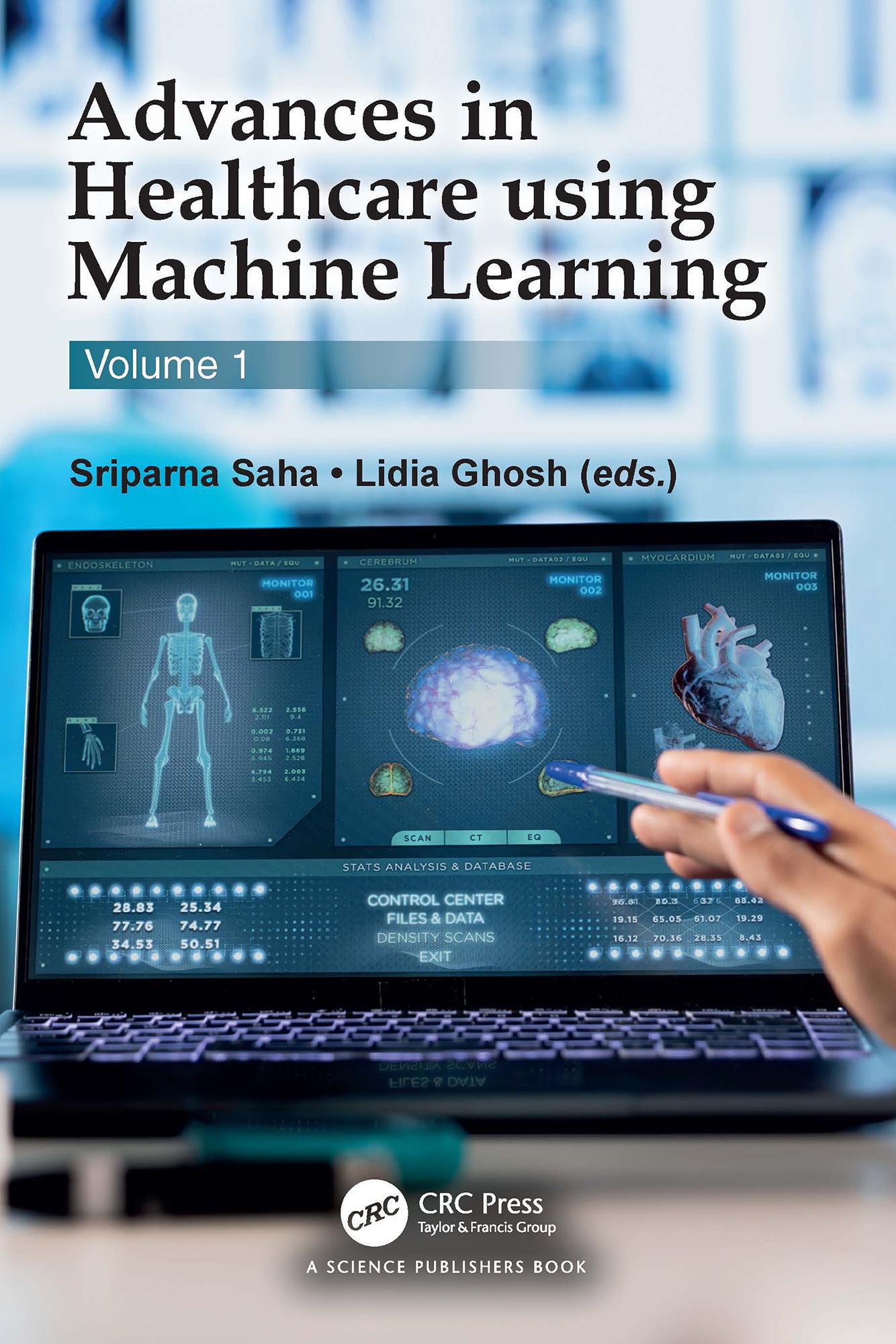
The rapid technological advancements in the healthcare industry over recent decades have been transformative. These innovations have not only enhanced our understanding of the morphology and physiology of various organs but have also significantly improved the early diagnosis and treatment of numerous diseases across different medical specialties. This progress has been largely driven by advancements in artificial intelligence (AI) and computer vision (CV). AI and CV enable the real-time collection, processing, interpretation, and analysis of vast amounts of static and dynamic medical data, revolutionizing disease characterization and patient selection. Early detection is crucial in treating life-threatening illnesses such as COVID-19, pneumonia, and cancer. Computer-based medical imaging techniques, including CT scans and X-rays, play a vital role in diagnosing these conditions. Similarly, biological signals like electroencephalography (EEG) and electrocardiography (ECG) help anticipate brain anomalies and heart diseases. Machine learning further enhances the accuracy of disease prediction, assisting clinicians in making precise diagnoses. By facilitating faster disease recognition, these technologies also enable wider access to healthcare, including remote and underserved areas. This book aims to develop machine learning algorithms that analyze diverse medical data and predict diseases based on their characteristics, ultimately advancing healthcare diagnostics and treatment strategies.
Betal nemt med kort, Klarna, Apple Pay eller Google Pay. Ikke tilfreds? Du har altid 14 dages fortrydelsesret. Læs mere i vores vilkår. Har du spørgsmål, så send os en mail på hello@memmo.org.
Memmo gør det nemmere at studere – uanset hvor du er i verden. Hos os samler du dine kursusbøger og smarte studieværktøjer ét sted: resuméer, quizzer, podcasts og flashcards. Og så er der Ted, din studieven, der svarer på alt, du undrer dig over. Over 50 000 studerende studerer allerede her – bygget til at hjælpe dig med at lære hurtigere og stresse mindre.