
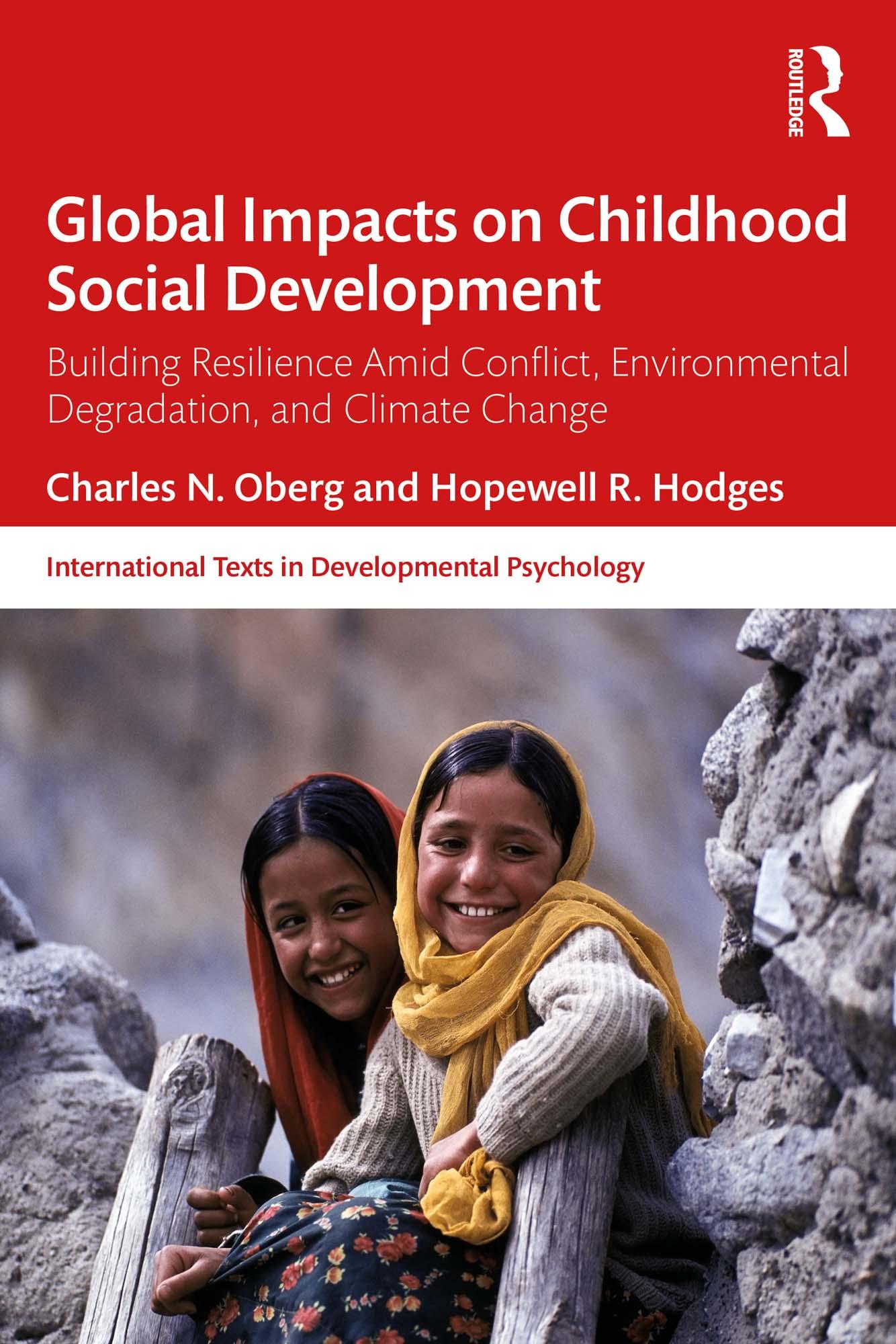
This important book combines insights from disciplines as diverse as developmental psychopathology, pediatrics, and public policy to offer a detailed description of the impact of global crises, such as armed conflict, climate change, and environmental degradation, on the developing child.
This book explores both the direct harms of these crises and those caused indirectly, including family separation, strained caregiving relationships, loss of cultural resources, and damage to children’s self-efficacy and emotion regulation abilities. Using case studies from the last few decades, the authors demonstrate the interconnectedness of seemingly disparate systems, such as soil health, family cohesion, individual coping skills, nutrition availability, and economic policy, all with an eye to the urgent developmental processes unfolding within and around the child.
This text is core reading for upper-level undergraduates and graduate students in child psychology, social work, public health, healthcare, public policy, and public affairs. Also, by offering several roadmaps by which individuals, organizations, communities, and nations may leverage resources at each level of a child’s ecology to support healthy development, this book will be of interest to professionals working in humanitarian sectors as well as leaders in global pediatrics.
Betal nemt med kort, Klarna, Apple Pay eller Google Pay. Ikke tilfreds? Du har altid 14 dages fortrydelsesret. Læs mere i vores vilkår. Har du spørgsmål, så send os en mail på hello@memmo.org.
Memmo gør det nemmere at studere – uanset hvor du er i verden. Hos os samler du dine kursusbøger og smarte studieværktøjer ét sted: resuméer, quizzer, podcasts og flashcards. Og så er der Ted, din studieven, der svarer på alt, du undrer dig over. Over 50 000 studerende studerer allerede her – bygget til at hjælpe dig med at lære hurtigere og stresse mindre.