
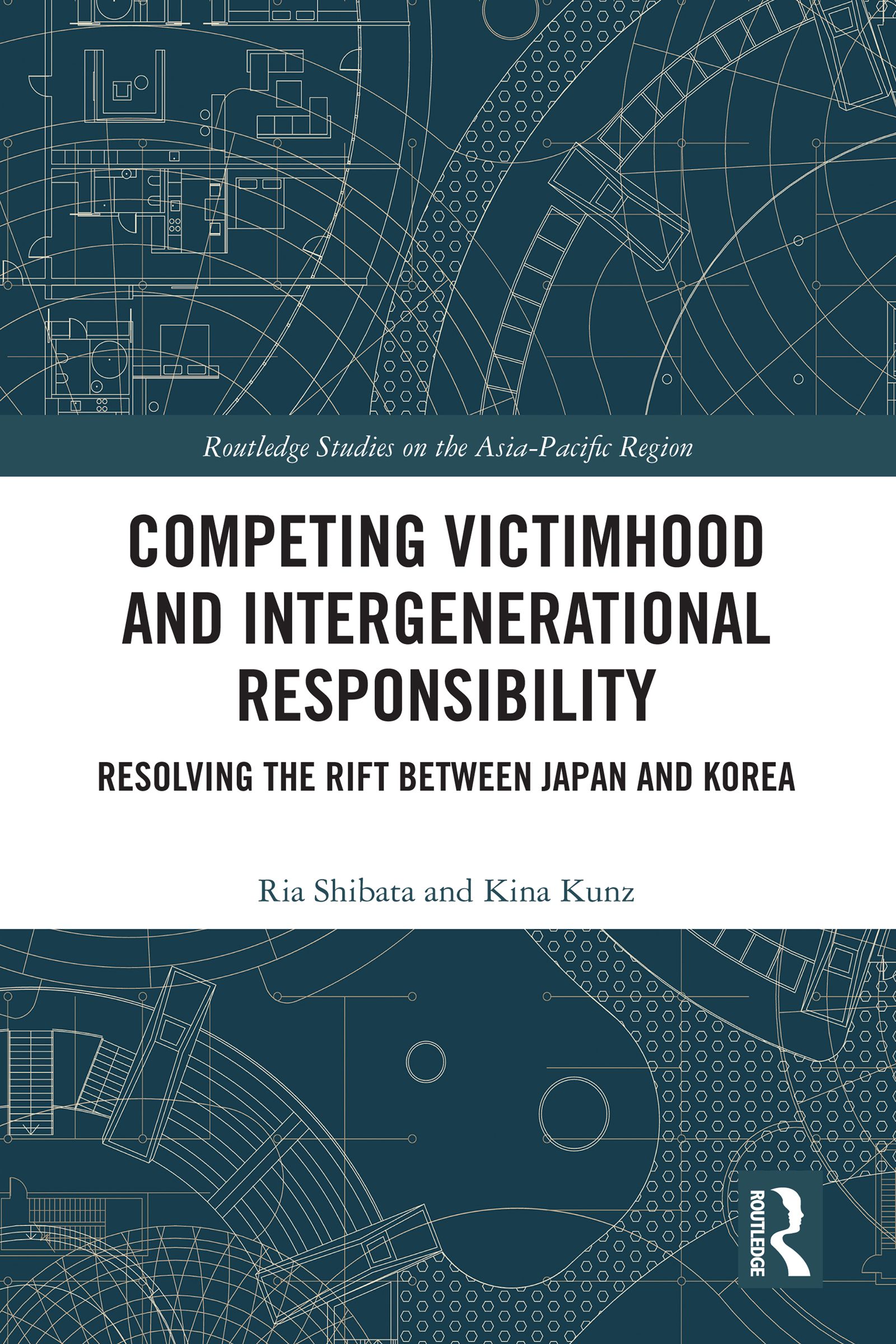
Shibata and Kunz delve into the deep-seated identity factors that have perpetuated the conflict between Japan and South Korea. The enduring diplomatic and political tensions between the two nations are rooted in unresolved historical grievances and entrenched narratives of victimhood, which continue to shape their national identities. For meaningful reconciliation to take place, these divisive historical memories and narratives must be critically examined to build a stronger foundation for sustained diplomatic efforts.
This book investigates the socio-psychological dynamics of competing victimhood, shedding light on the key barriers to reconciliation and exploring Japanese perspectives on intergenerational responsibility for historical injustices. Through a nuanced analysis of the complex identity conflict between Japan and South Korea, it provides valuable insights and practical guidance for policymakers, civil society leaders, and the broader public to foster dialogue, rebuild trust, and promote long-term cooperation between the two nations.
An essential book for researchers and scholars of international relations, peace and conflict studies, and global studies, as well as a critical tool for policymakers and practitioners working in conflict resolution and reconciliation.
Betal nemt med kort, Klarna, Apple Pay eller Google Pay. Ikke tilfreds? Du har altid 14 dages fortrydelsesret. Læs mere i vores vilkår. Har du spørgsmål, så send os en mail på hello@memmo.org.
Memmo gør det nemmere at studere – uanset hvor du er i verden. Hos os samler du dine kursusbøger og smarte studieværktøjer ét sted: resuméer, quizzer, podcasts og flashcards. Og så er der Ted, din studieven, der svarer på alt, du undrer dig over. Over 50 000 studerende studerer allerede her – bygget til at hjælpe dig med at lære hurtigere og stresse mindre.