
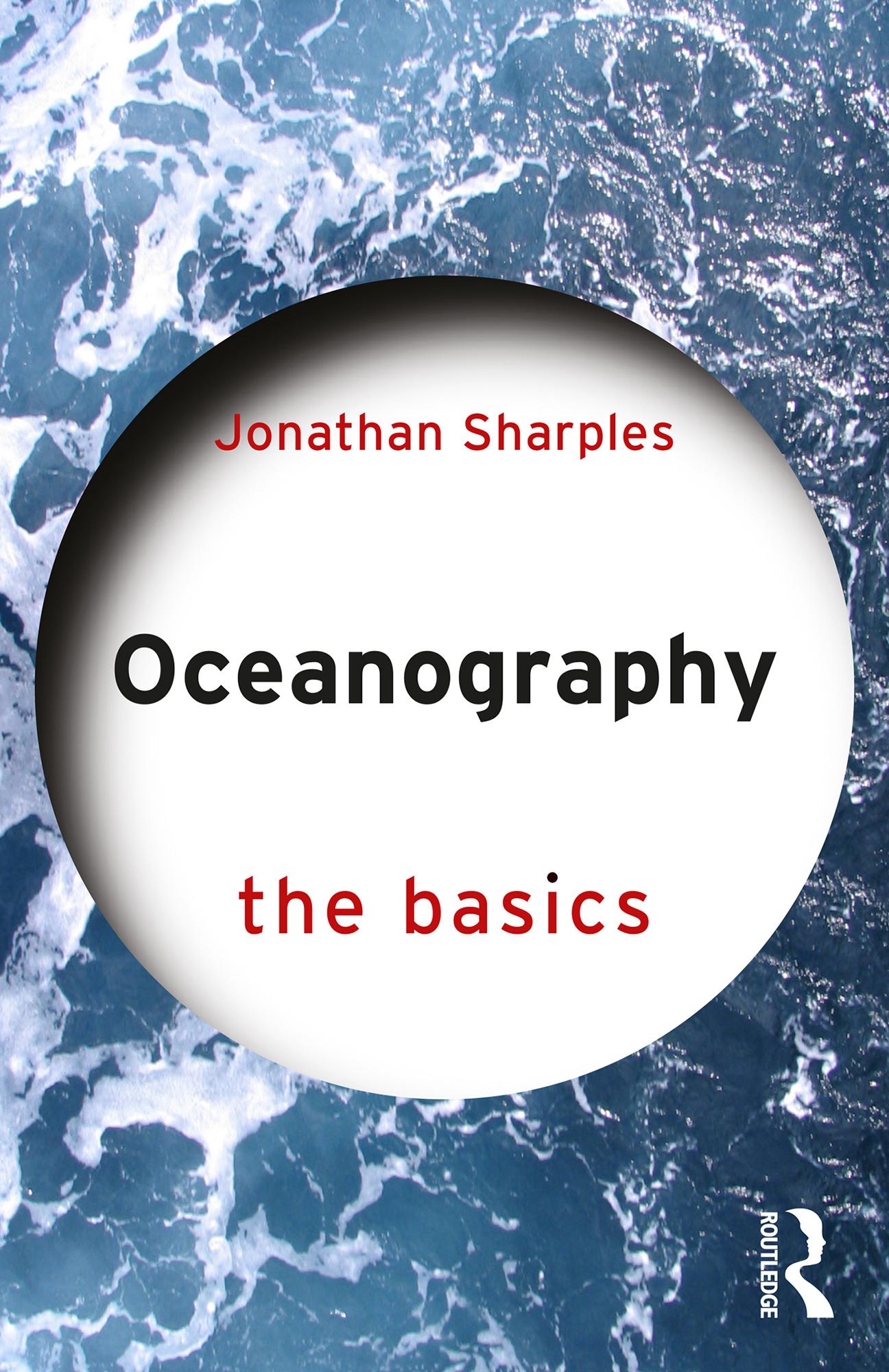
Earth’s oceans are vital for sustaining life on our planet. Oceanography is an intrinsically multidisciplinary science that explores how the ocean does this. The author uses plankton as a focus for the book, drawing together the physics of the ocean circulation, the chemistry of nutrients and carbon, and the biology of the plankton.
The book begins by describing the major ocean currents and tides, and the importance of stratification, or layers, in the ocean. It explains how microscopic plants and animals, the plankton, are fundamental to ocean food chains and Earth’s climate, and shows how ocean currents and mixing control the global distribution of plankton. Contrasts are explored between the open ocean and the shallow coastal seas, to help understand why the shallow seas are so productive. Case studies illustrate how the ocean supports fish, including upwelling of deep nutrients, the links between plankton and fish, and how ocean currents provide vital transport routes for fish eggs and larvae. The author explores the importance of the ocean in Earth’s carbon cycle and climate. A final chapter describes some of the core techniques used to observe the ocean.
Oceanography: The Basics is an essential introduction to the field for undergraduates and includes further resources and short, quantitative diversions for students who want to take the concepts further.
Betal nemt med kort, Klarna, Apple Pay eller Google Pay. Ikke tilfreds? Du har altid 14 dages fortrydelsesret. Læs mere i vores vilkår. Har du spørgsmål, så send os en mail på hello@memmo.org.
Memmo gør det nemmere at studere – uanset hvor du er i verden. Hos os samler du dine kursusbøger og smarte studieværktøjer ét sted: resuméer, quizzer, podcasts og flashcards. Og så er der Ted, din studieven, der svarer på alt, du undrer dig over. Over 50 000 studerende studerer allerede her – bygget til at hjælpe dig med at lære hurtigere og stresse mindre.