
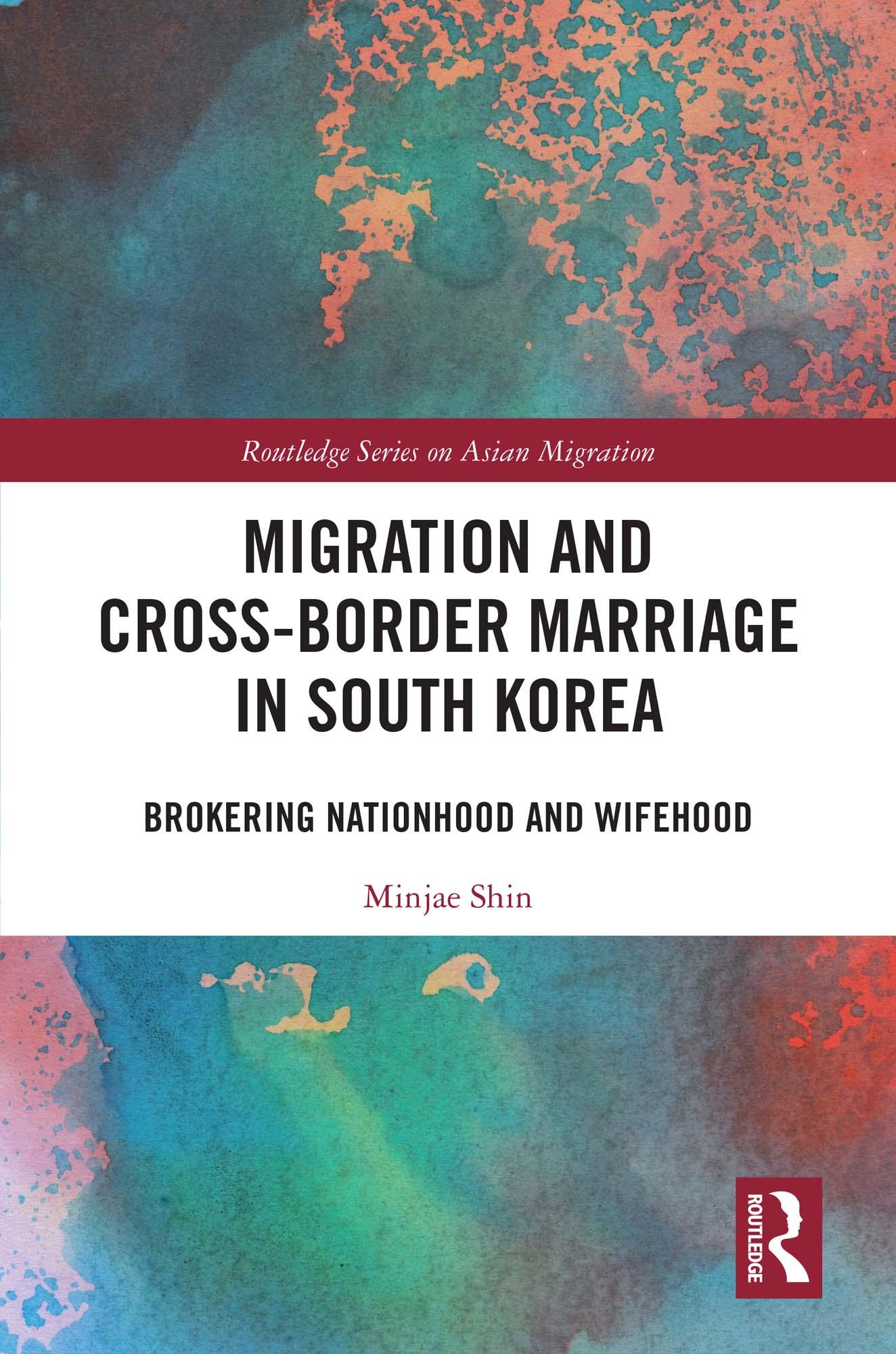
Moving beyond the view of brokers as logistical intermediaries, this book reconceptualises cross‑border marriage brokers in South Korea as actors who facilitate mobility while simultaneously reproducing and reinforcing dominant narratives about gender, family, and national belonging in contemporary Asia.
Drawing on multi-sited, qualitative research – including discourse analysis of brokers’ online videos, interviews, fieldwork at an NGO, and government reports – the book takes a holistic approach to understanding brokers’ practices. Chapters explore how they navigate regulation, legitimise their services, manage scrutiny, and market themselves through narratives that resonate with prevailing gender norms and dominant ideals of marriage. In doing so, brokers reinforce racialised, gendered, and moral hierarchies, contributing to selective norms of wifehood and nationhood. The book also considers how these practices have prompted responses from civil society actors, including migrant rights groups and cross-border unions, who challenge cultural framings of marriage migration, migrant wives, and Korean husbands.
Situating the Korean case within a wider Asian context, the book highlights shared patterns and divergent developments, framing brokerage as part of broader debates on migration, multiculturalism, and contested belonging. It will appeal to scholars, policymakers, and practitioners in migration, Asian, and gender studies.
Betal nemt med kort, Klarna, Apple Pay eller Google Pay. Ikke tilfreds? Du har altid 14 dages fortrydelsesret. Læs mere i vores vilkår. Har du spørgsmål, så send os en mail på hello@memmo.org.
Memmo gør det nemmere at studere – uanset hvor du er i verden. Hos os samler du dine kursusbøger og smarte studieværktøjer ét sted: resuméer, quizzer, podcasts og flashcards. Og så er der Ted, din studieven, der svarer på alt, du undrer dig over. Over 50 000 studerende studerer allerede her – bygget til at hjælpe dig med at lære hurtigere og stresse mindre.