
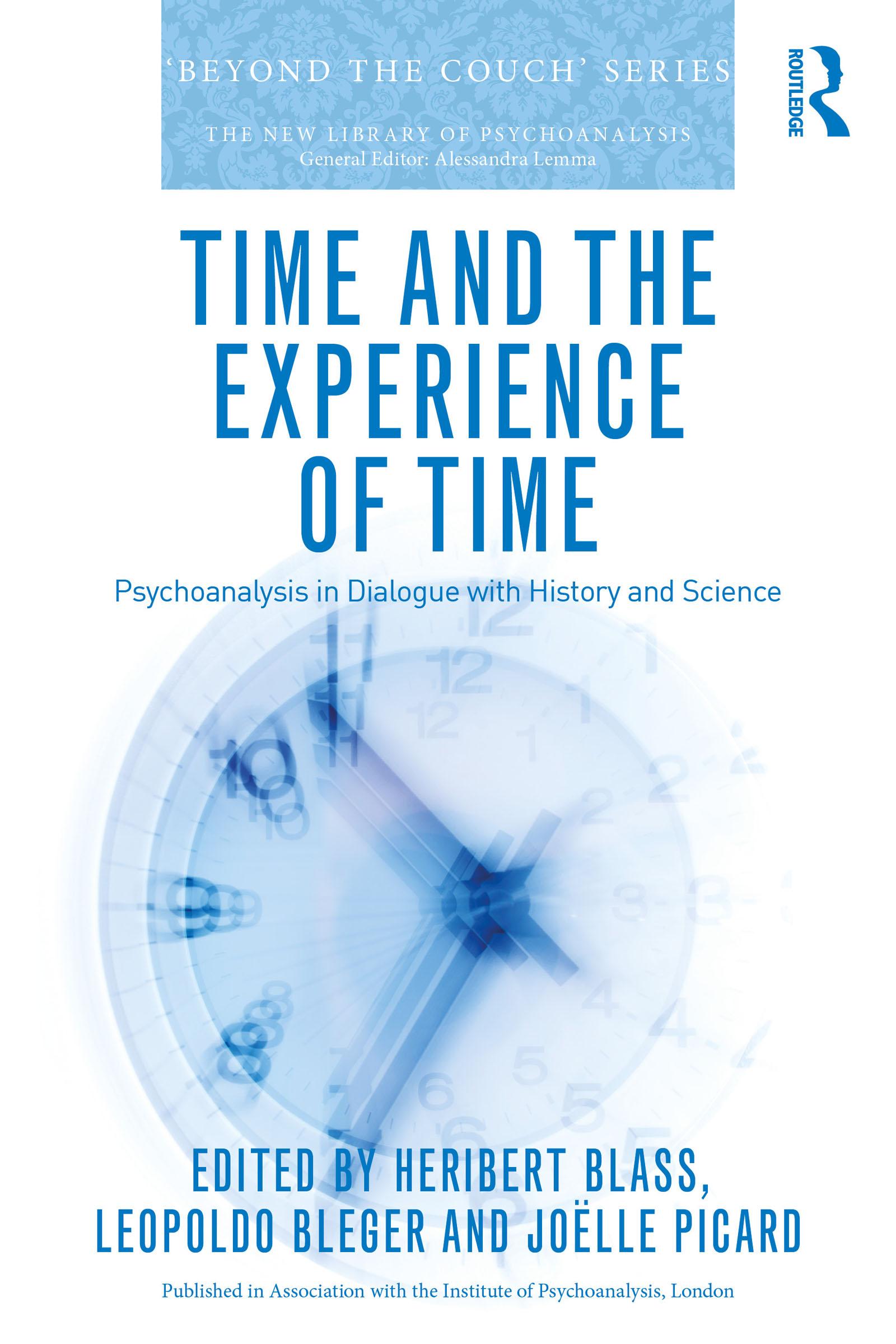
With particular reference to neurobiology and neuroscience, this book explores a psychoanalytic understanding of time and how ideas of time affect our experiences in clinical practice and in everyday life.
The contributions examine new perspectives on numerous phenomena associated with the perception of time. In addition to the physics-based discussion of whether time and a now exist at all, whether the existence of time can be proven neuroscientifically, or how historical forms of the relationship to time develop, the authors consider memory, forgetting or regression, the emergence of the past in the present, and the anticipation of the future, as well as mental development and the psychoanalytical process, particularly from the aspect of presence. The book shows how psychoanalysis can escape scientific isolation and develop further in a lively, mutually enriching exchange with other sciences.
Drawing on scientific insights as well as the latest psychoanalytic thinking, this is essential reading for all psychoanalysts, psychotherapists, and anyone wanting a deeper understanding of the place of time in our lives.
Betal nemt med kort, Klarna, Apple Pay eller Google Pay. Ikke tilfreds? Du har altid 14 dages fortrydelsesret. Læs mere i vores vilkår. Har du spørgsmål, så send os en mail på hello@memmo.org.
Memmo gør det nemmere at studere – uanset hvor du er i verden. Hos os samler du dine kursusbøger og smarte studieværktøjer ét sted: resuméer, quizzer, podcasts og flashcards. Og så er der Ted, din studieven, der svarer på alt, du undrer dig over. Over 50 000 studerende studerer allerede her – bygget til at hjælpe dig med at lære hurtigere og stresse mindre.