
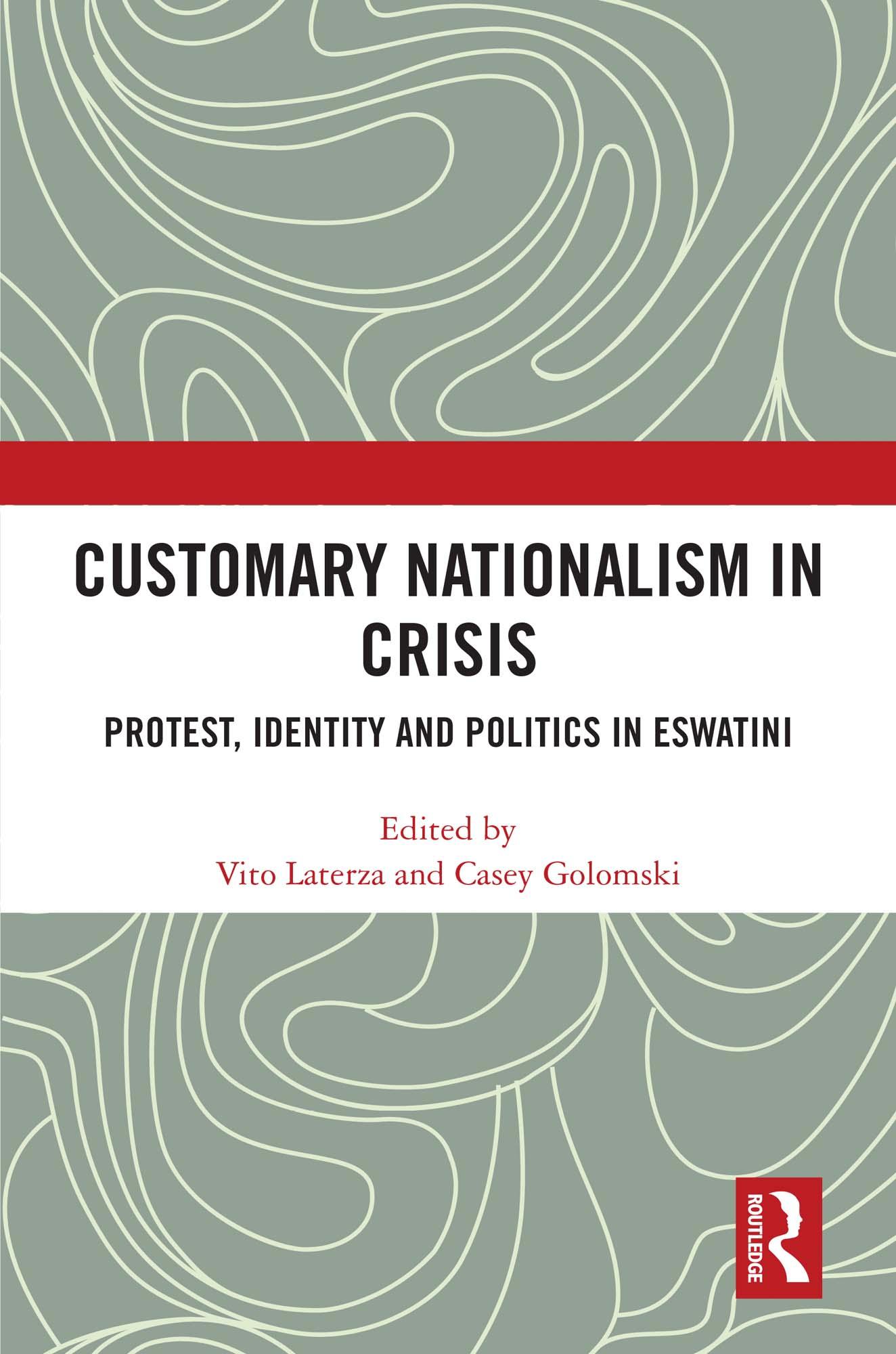
This book examines the aftermath of eSwatini's fiftieth anniversary of independence and the COVID-19 pandemic, when many citizens of this last absolute monarchy in Africa took to their communities in unprecedented protests for democratic reform. For raising their voices, they were met with brutal police violence. Customary Nationalism in Crisis offers snapshots of life in the Kingdom leading up to and in the aftermath of this epic moment, providing lessons to the world on the power of the government to shape our lives through the guise of custom and tradition and the power of ordinary people to resist this.
Through a range of research written primarily by scholar-nationals of eSwatini, the book shows how ordinary women, men, and young people redefine language and their identities—ethnic, racial, and gender—and question what it means to be a citizen, from their classrooms to clinics, and from their workplaces to the halls of Parliament. Customary Nationalism in Crisis shows that, despite the persistence of authoritarianism, citizens also adapt over the long-term to survive and thrive.
This volume will appeal to scholars and students in African studies, political science, anthropology, sociology, and gender studies, as well as policymakers, human rights advocates, and development practitioners interested in southern Africa.
The chapters in this volume were originally published as a special issue of Journal of Contemporary African Studies.
Betal nemt med kort, Klarna, Apple Pay eller Google Pay. Ikke tilfreds? Du har altid 14 dages fortrydelsesret. Læs mere i vores vilkår. Har du spørgsmål, så send os en mail på hello@memmo.org.
Memmo gør det nemmere at studere – uanset hvor du er i verden. Hos os samler du dine kursusbøger og smarte studieværktøjer ét sted: resuméer, quizzer, podcasts og flashcards. Og så er der Ted, din studieven, der svarer på alt, du undrer dig over. Over 50 000 studerende studerer allerede her – bygget til at hjælpe dig med at lære hurtigere og stresse mindre.