
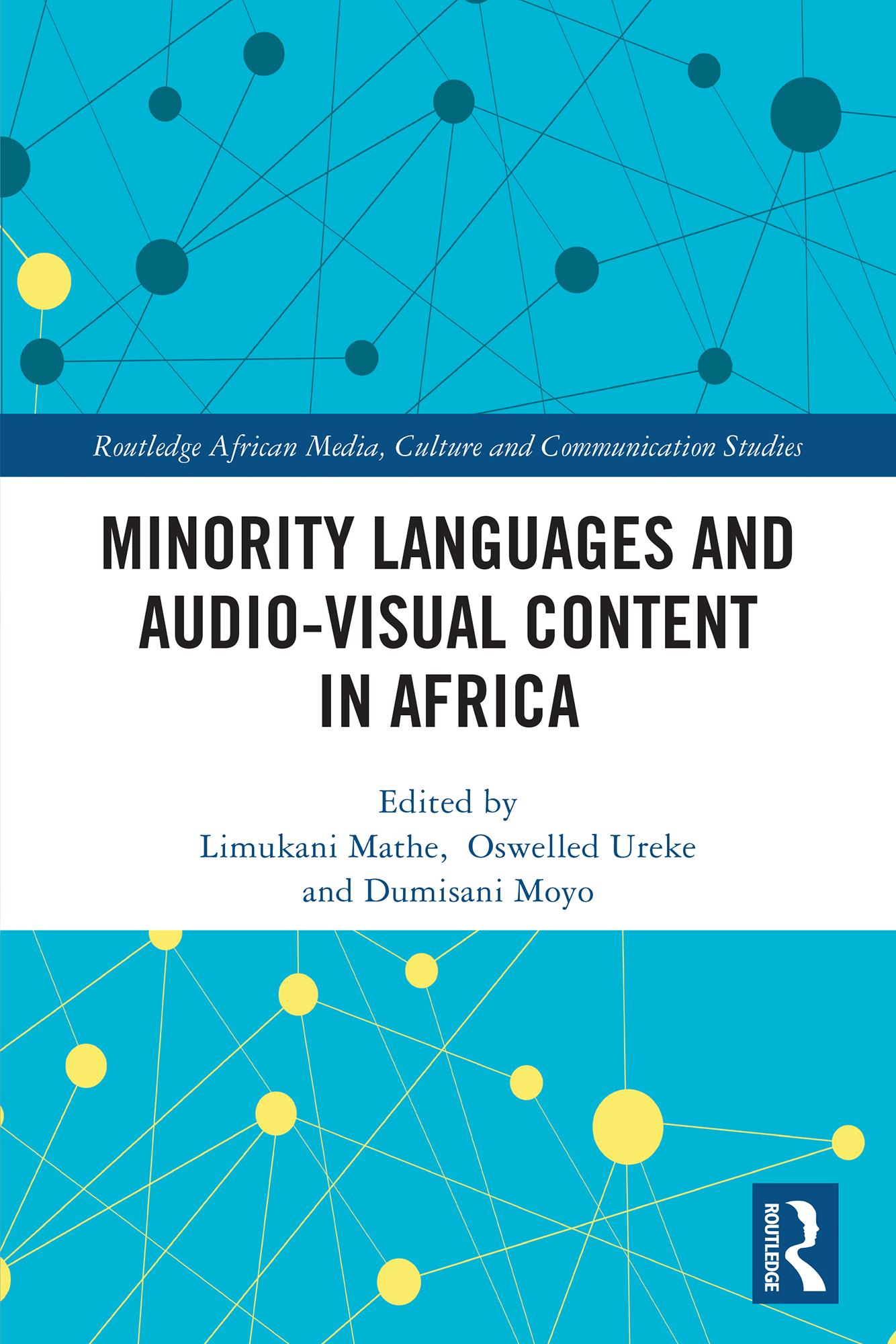
This book examines audio-visual content production in Africa, highlighting the ways in which the rise of social networking platforms has combatted the marginalisation of minority languages across the continent.
Colonial languages have tended to dominate audio-visual narratives in Africa, and although postcolonial film and video production initiatives have tried to counter this, in practice they perpetuate the marginalisation of minority language groups by favouring major indigenous languages such as isiZulu in South Africa, Shona in Zimbabwe, Yoruba or Igbo in Nigeria. This book demonstrates the ways in which the internet and the accompanying boom in popularity of visual social networking applications such as YouTube, TikTok, Facebook, X, and Vimeo have disrupted dominant language video productions and traditional media marketing models. As audiences have fragmented, seeking out content produced in their own languages, traditional gatekeepers have been challenged. Drawing on studies from across the continent, the book demonstrates the varied and multifaceted ways in which minority language audio-visual content creators are using these platforms to negotiate with or contest dominant languages.
This timely investigation into the political economy of contemporary audio-visual production in minority languages in Africa will be of interest to researchers across media studies and sociolinguistics in Africa.
Betal nemt med kort, Klarna, Apple Pay eller Google Pay. Ikke tilfreds? Du har altid 14 dages fortrydelsesret. Læs mere i vores vilkår. Har du spørgsmål, så send os en mail på hello@memmo.org.
Memmo gør det nemmere at studere – uanset hvor du er i verden. Hos os samler du dine kursusbøger og smarte studieværktøjer ét sted: resuméer, quizzer, podcasts og flashcards. Og så er der Ted, din studieven, der svarer på alt, du undrer dig over. Over 50 000 studerende studerer allerede her – bygget til at hjælpe dig med at lære hurtigere og stresse mindre.