
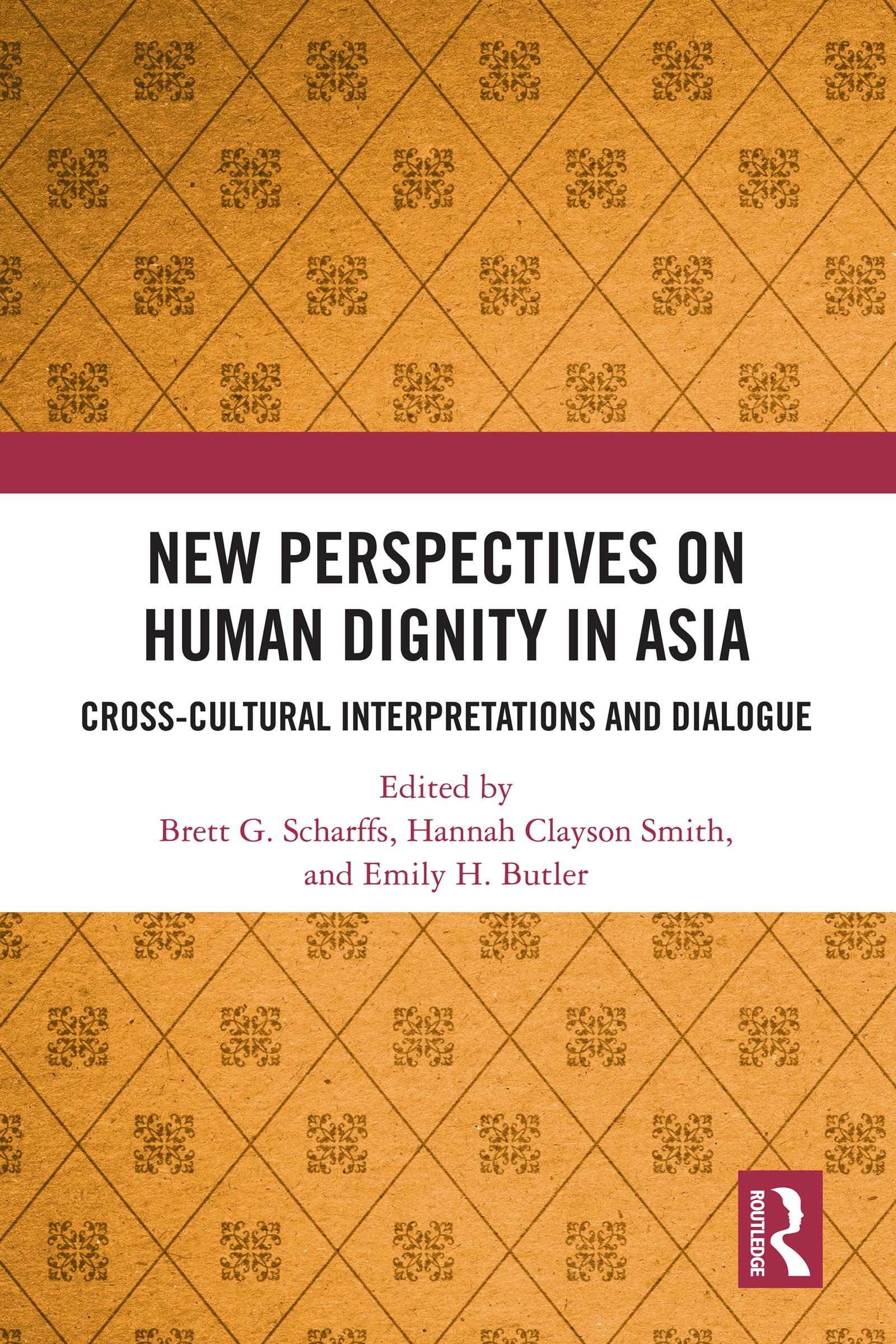
This volume examines the concept of human dignity from uniquely Asian perspectives. As the Universal Declaration of Human Rights (UDHR) celebrates its 75th anniversary, human dignity is more consequential than ever, yet it is not understood in the same way in every nation or by every culture. Here, human dignity is approached from a number of distinctive viewpoints: its relation to religious freedom in maturing pluralist democracies, its foundation in ancient Eastern philosophy, its pursuit by liberation movements, and its alignment with Buddhism, Islam, and less familiar Indigenous religions. The authors, from various Asian countries, bring extensive scholarship and experience to bear on the project of expanding the idea of human dignity. They present a range of perspectives, having roots as they do in states with distinct religious and cultural traditions that, following the Second World War, have evolved toward constitutional democracies, as well as states where social and legislative developments related to human dignity have been influenced by more collectivist ideologies. The collection will be of interest to philosophers of law, constitutional and human rights theorists and lawyers, political historians, international law specialists and ethicists, and those interested in interfaith dialogue and multifaith engagement.
Betal nemt med kort, Klarna, Apple Pay eller Google Pay. Ikke tilfreds? Du har altid 14 dages fortrydelsesret. Læs mere i vores vilkår. Har du spørgsmål, så send os en mail på hello@memmo.org.
Memmo gør det nemmere at studere – uanset hvor du er i verden. Hos os samler du dine kursusbøger og smarte studieværktøjer ét sted: resuméer, quizzer, podcasts og flashcards. Og så er der Ted, din studieven, der svarer på alt, du undrer dig over. Over 50 000 studerende studerer allerede her – bygget til at hjælpe dig med at lære hurtigere og stresse mindre.