
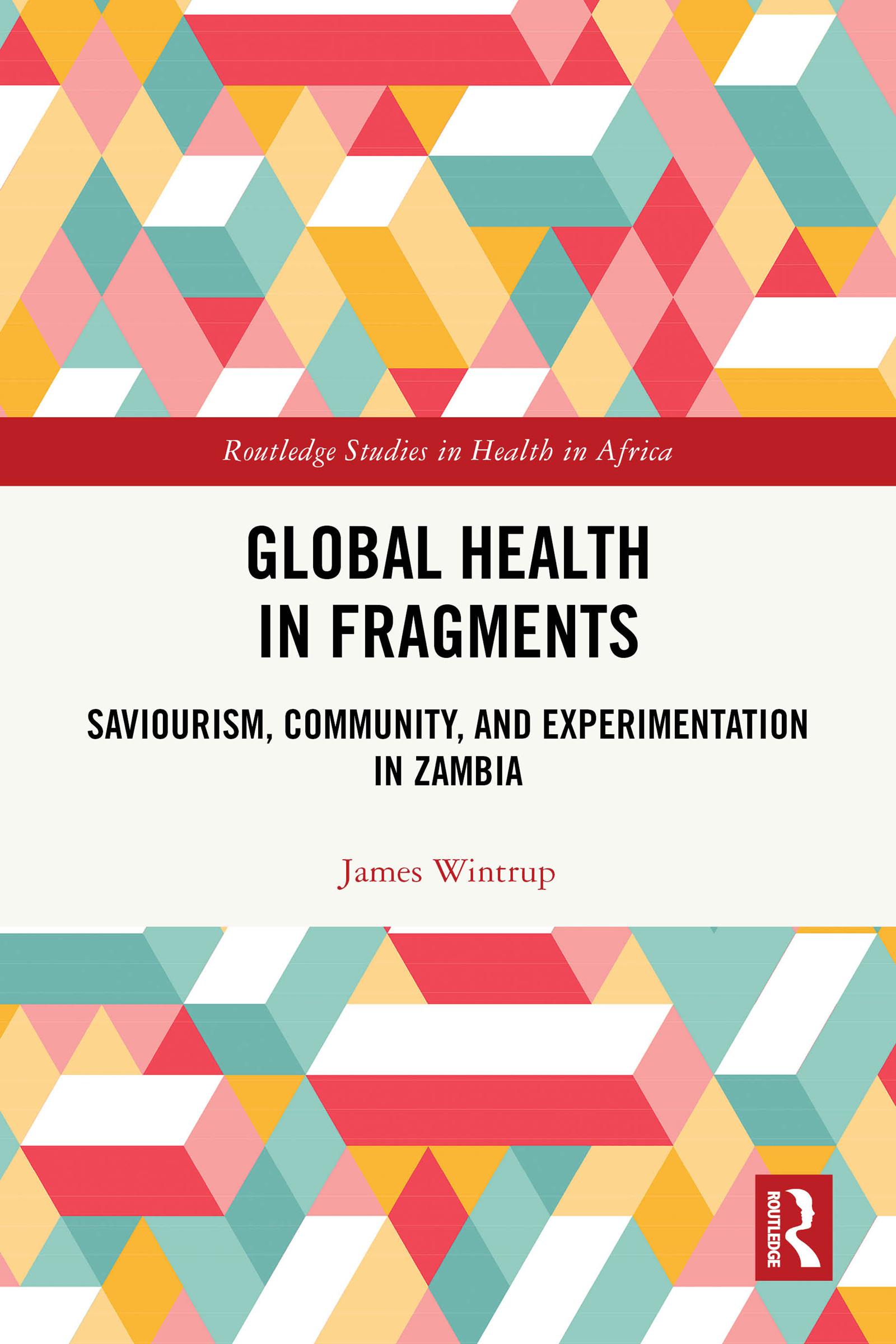
Over the past 30 years, an ever-expanding community of global health actors have been intervening in the poorest parts of the world with the aim of combatting disease and improving health outcomes. While many global health programmes in the Global South have been successful in saving lives, their successes have often been compromised by poor coordination, inefficiency and a lack of alignment with national priorities.
This book outlines the deep historical and political dimensions of this fragmentation, using rural Zambia as a case study. In the name of global health, different actors produce and circulate radically different stories about how to improve health. These narratives not only contribute to a fragmented landscape of health provision but also create more subtle and pervasive forms of fragmentation in the everyday lives of health workers, patients and government officials. Based on long-term ethnographic fieldwork in rural Zambia, this book examines three different global health interventions driven by differing stories of salvation, community and experimentation. Tracing the longer history of these stories, the book shows how they have failed to account for the realities of life in rural Zambia.
Providing an innovative and nuanced analysis of global health that challenges the idea of fragmentation as simply a technical problem, this book will be an important read for researchers of global health and African studies.
Betal nemt med kort, Klarna, Apple Pay eller Google Pay. Ikke tilfreds? Du har altid 14 dages fortrydelsesret. Læs mere i vores vilkår. Har du spørgsmål, så send os en mail på hello@memmo.org.
Memmo gør det nemmere at studere – uanset hvor du er i verden. Hos os samler du dine kursusbøger og smarte studieværktøjer ét sted: resuméer, quizzer, podcasts og flashcards. Og så er der Ted, din studieven, der svarer på alt, du undrer dig over. Over 50 000 studerende studerer allerede her – bygget til at hjælpe dig med at lære hurtigere og stresse mindre.