
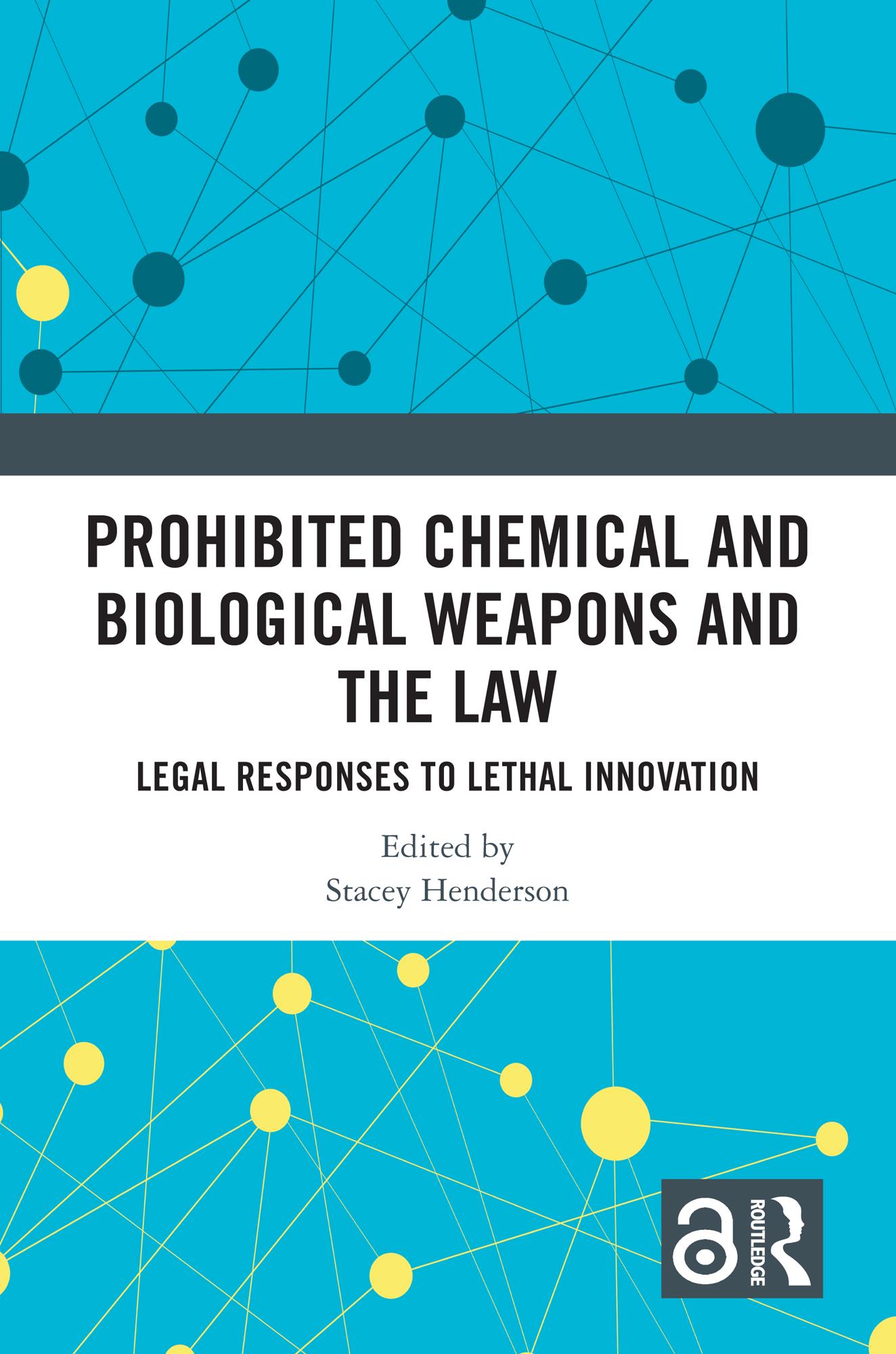
Scientific advances in the biological and chemical sciences can offer significant benefits to humanity, but these discoveries may also lead to the proliferation of novel classes of weapons and new uses for them. This book explores the current challenges, risks, and opportunities posed by new scientific discoveries in this area. Focusing on non-human consequences of the use of chemical and biological weapons, issues discussed include their environmental impact; the use of herbicides in armed conflicts; the dangers presented by the transport of chemical and biological agents; the impact of technology on the development and/or manufacture of chemical and biological agents; and the various implementation efforts at national level across countries and regions. The work examines whether the prohibitions on the use of chemical and biological weapons are being weakened, or whether international responses to allegations of their use in recent armed conflicts are actually reinforcing the prohibitions. The book will be of interest to academics, researchers, and policymakers working in the areas of International Humanitarian Law, Security Law, Disarmament, Non-proliferation and Arms Control, International Relations, and Security Studies.
Chapters 1, 2 and 9 of this book are freely available as a downloadable Open Access PDF at http://www.taylorfrancis.com under a Creative Commons Attribution-Non Commercial-No Derivatives (CC BY-NC-ND) 4.0 license.
Betal nemt med kort, Klarna, Apple Pay eller Google Pay. Ikke tilfreds? Du har altid 14 dages fortrydelsesret. Læs mere i vores vilkår. Har du spørgsmål, så send os en mail på hello@memmo.org.
Memmo gør det nemmere at studere – uanset hvor du er i verden. Hos os samler du dine kursusbøger og smarte studieværktøjer ét sted: resuméer, quizzer, podcasts og flashcards. Og så er der Ted, din studieven, der svarer på alt, du undrer dig over. Over 50 000 studerende studerer allerede her – bygget til at hjælpe dig med at lære hurtigere og stresse mindre.