
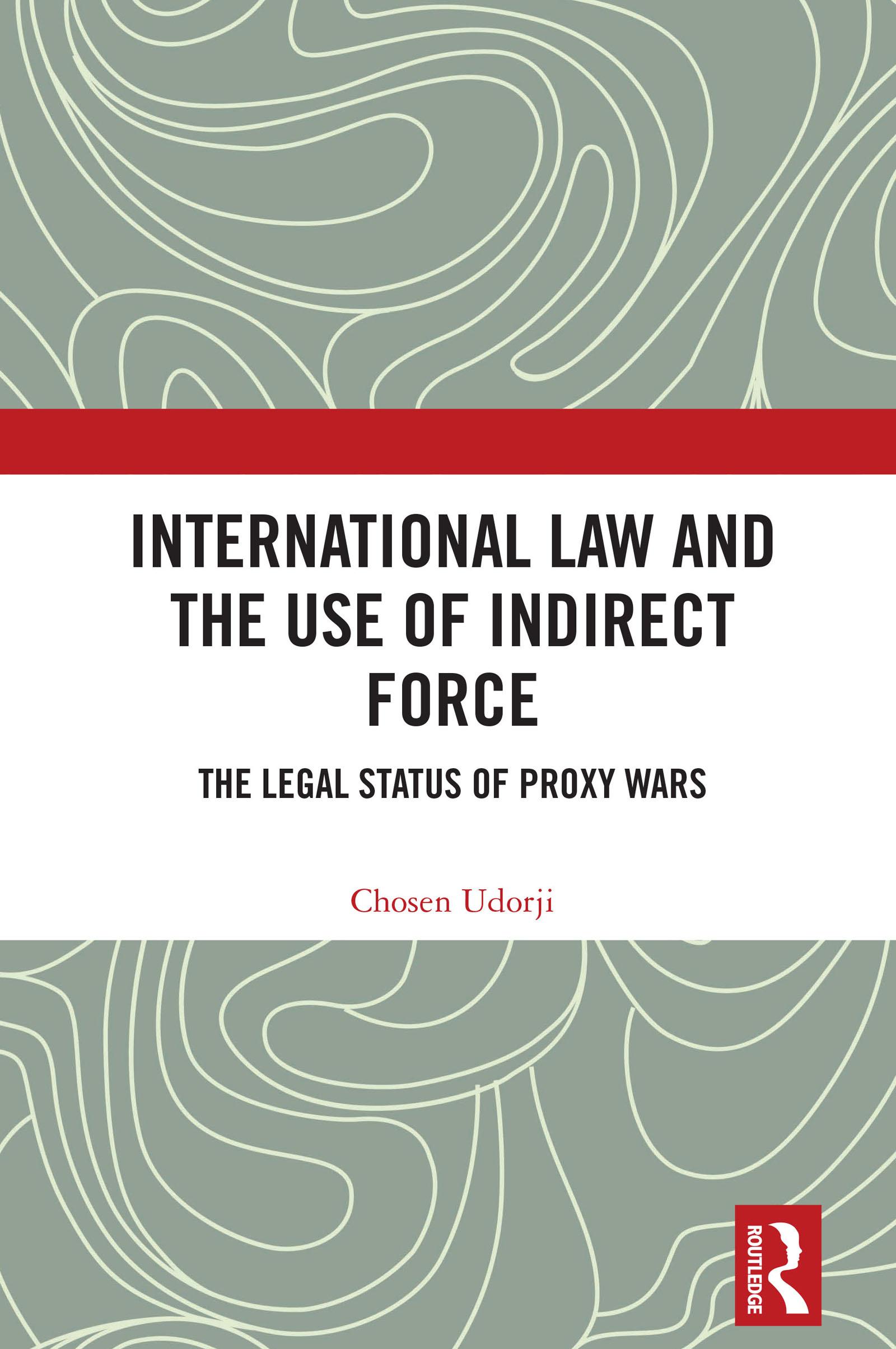
This book critically examines the use of indirect force by states and the extent of its prohibition under international law. The indirect use of force by states – what are colloquially referred to as ‘proxy wars’ – has been steadily rising.
With the emergence of new modes of asymmetric warfare, the state's use of indirect force is gradually moving away from the covert style of the Cold War era to a more overt form. Despite such a shift, this state practice has received very little critical scrutiny, and as a result, its position within the existing international legal framework remains unclear. Viewing this practice through doctrinal, critical, and TWAIL theoretical lenses, this book argues that the current international law and jurisprudence on the meaning and scope of the use of indirect force are fundamentally inadequate and inadvertently suited to favour powerful states. Stressing the inherent weakness of positivist legal frameworks to address the tension between state sovereignty and state power, the book offers new tools for reconceptualising the meaning and scope of the prohibition of indirect force under international law.
International Law and the use of Indirect Force will appeal to scholars and students with relevant interests in international law, international relations and politics, as well as practitioners working in conflict prevention and management
Betal nemt med kort, Klarna, Apple Pay eller Google Pay. Ikke tilfreds? Du har altid 14 dages fortrydelsesret. Læs mere i vores vilkår. Har du spørgsmål, så send os en mail på hello@memmo.org.
Memmo gør det nemmere at studere – uanset hvor du er i verden. Hos os samler du dine kursusbøger og smarte studieværktøjer ét sted: resuméer, quizzer, podcasts og flashcards. Og så er der Ted, din studieven, der svarer på alt, du undrer dig over. Over 50 000 studerende studerer allerede her – bygget til at hjælpe dig med at lære hurtigere og stresse mindre.