
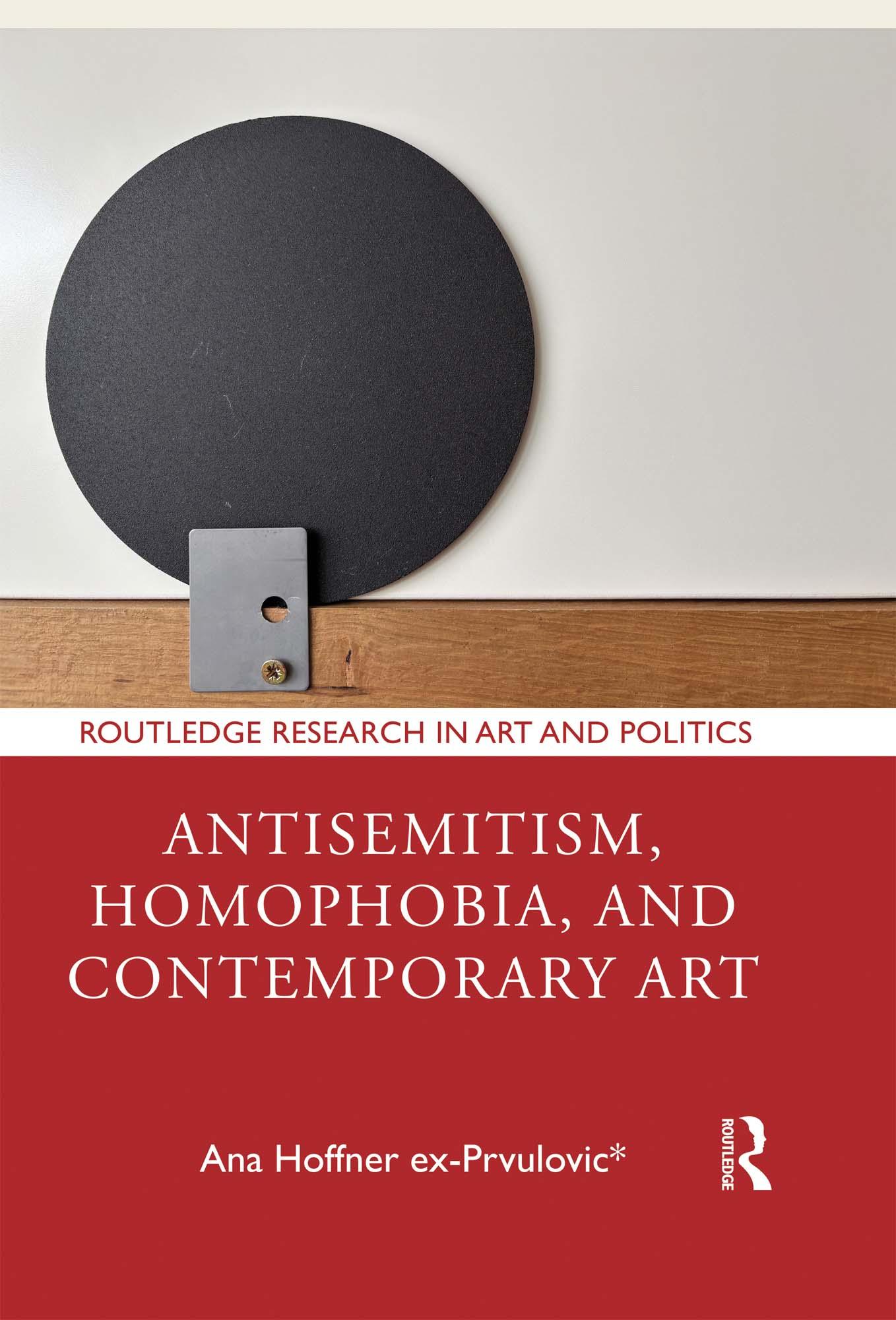
This book analyzes synchronization as a symptom of the contemporary art world.
Acting as a tool within present-day social, economic, and political systems, synchronization assigns individuals to predetermined forms of representation. At its core, this book challenges normative synchronization concepts as projections of a unity of bodies and voices, past and present, self and environment. The text offers a non-linear art historical narrative of those practices that have consistently tried to "desynchronize" from antisemitism and homophobia. Through thoughtful analysis of art practices from Claude Cahun and Marcel Moore, Zanele Muholi, Anna Daučíková, Sharon Hayes, Glenn Ligon, and Chantal Akerman, the author seeks to address the current wish to create contemporaneity for all—often through violence against those perceived as not belonging to it.
This book is ideal for researchers and scholars in Art History, Philosophy, Queer Theory, Gender Studies, and Sociology.
Betal nemt med kort, Klarna, Apple Pay eller Google Pay. Ikke tilfreds? Du har altid 14 dages fortrydelsesret. Læs mere i vores vilkår. Har du spørgsmål, så send os en mail på hello@memmo.org.
Memmo gør det nemmere at studere – uanset hvor du er i verden. Hos os samler du dine kursusbøger og smarte studieværktøjer ét sted: resuméer, quizzer, podcasts og flashcards. Og så er der Ted, din studieven, der svarer på alt, du undrer dig over. Over 50 000 studerende studerer allerede her – bygget til at hjælpe dig med at lære hurtigere og stresse mindre.